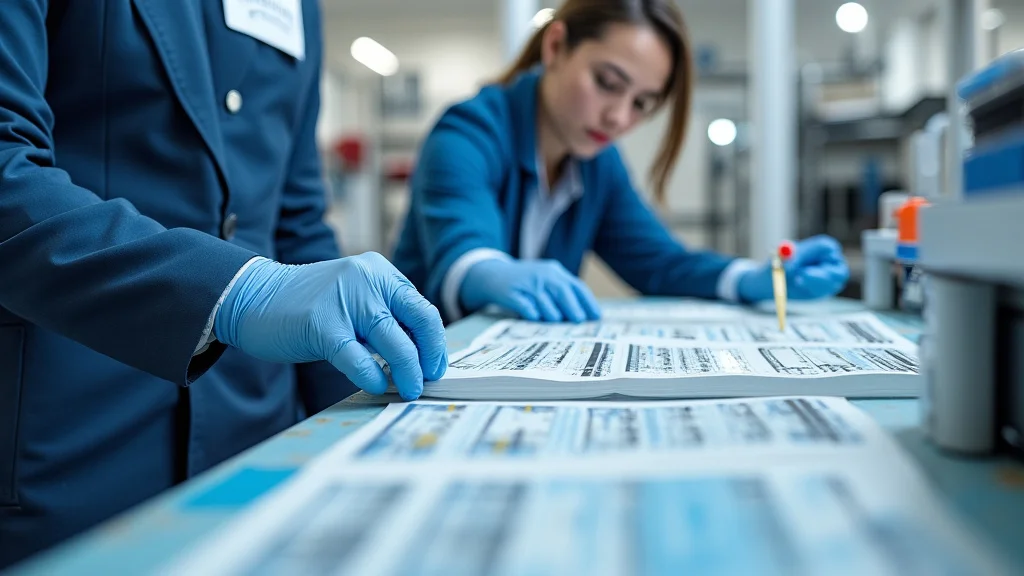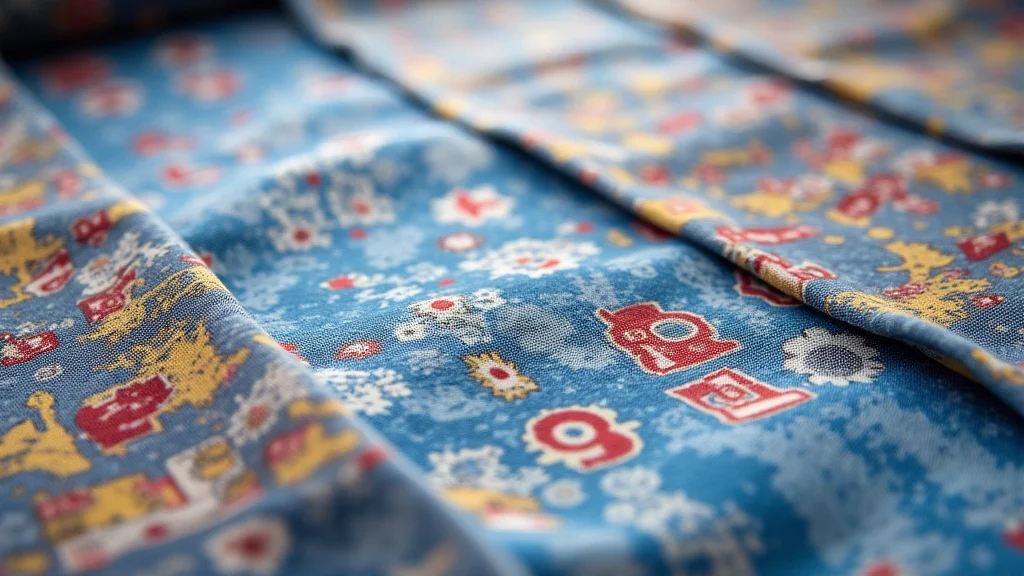
Remember that vibrant floral dress you saw at the boutique? Or that custom-designed t-shirt your friend was wearing? Chances are, the fabric used was created using printing fabrics. Imagine having the ability to bring your unique designs to life on textiles, whether for personal projects or even a small business. This guide will explore the fascinating process of printing on fabrics, from the different methods available to the types of fabrics that work best. You’ll learn about the inks, equipment, and considerations necessary to start your own printing project, as well as some advanced topics. By the end, you’ll be able to create stunning fabric designs with confidence, improving both your knowledge and your creative capabilities.
Key Takeaways
- Discover various methods for printing fabrics and their applications.
- Understand the differences between direct-to-garment, sublimation, and screen printing.
- Learn about the different types of inks used in fabric printing and their properties.
- Explore fabric types and their suitability for different printing methods.
- Find out how to prepare your designs for optimal printing results.
- Get useful tips for the proper care and maintenance of printed fabrics.
Methods of Printing on Fabrics
The methods used for printing fabrics have a direct impact on the quality, cost, and longevity of the printed design. Each method has its own pros and cons, making it suitable for different applications. The choice of method depends on factors like the type of fabric, the complexity of the design, the desired print quantity, and budget. For instance, a small batch of personalized t-shirts might be best suited to direct-to-garment printing, while mass production of patterned fabric might call for screen printing.
Screen Printing: The Classic Approach
Screen printing is one of the oldest and most established methods for printing fabrics. It involves using a mesh screen to transfer ink onto the fabric. A stencil is created on the screen, blocking the areas where ink should not be applied. Ink is then pushed through the open areas of the screen using a squeegee, transferring the design onto the fabric. Each color in a design requires a separate screen, making it more time-consuming for multi-colored designs. Screen printing is known for its durability, vibrant colors, and cost-effectiveness for large production runs. It’s often used for printing t-shirts, promotional items, and fabrics for apparel.
- Screen printing is best suited for designs with a limited number of colors, typically up to 6 or 8.
- It’s highly efficient for large quantities, making it cost-effective for bulk orders.
- The process provides excellent color vibrancy and durability, with prints that can withstand numerous washes.
- It can be used on a wide range of fabrics, including cotton, polyester, and blends.
- Requires the creation of stencils for each color, adding time and cost for intricate designs.
The screen printing process begins with creating the stencil. A fine mesh screen is stretched over a frame and coated with a light-sensitive emulsion. The design is then printed onto a transparent film. The film is placed on the screen, and the screen is exposed to a strong light source. The light hardens the emulsion everywhere except where it is blocked by the design on the film. The screen is then washed, removing the unhardened emulsion and leaving an open stencil in the shape of the design. The fabric is placed on a flat surface, and the screen is lowered over it. Ink is placed on the screen and drawn across it using a squeegee, forcing the ink through the open areas of the stencil onto the fabric. Each color requires a separate screen and printing pass, and the fabric passes under a flash cure to set the inks.
Direct-to-Garment Printing: A Modern Alternative
Direct-to-garment (DTG) printing is a relatively new method that has become increasingly popular. It works much like an inkjet printer, but it’s specifically designed for printing directly onto fabric. The design is sent digitally to the printer, which then applies the ink directly onto the fabric. DTG printing is ideal for intricate designs and small production runs, as it allows for full-color printing without the need for screens. It’s also suitable for printing personalized items like custom t-shirts or unique designs on demand.
- DTG printing excels at creating detailed and full-color designs with gradients and photographic images.
- It’s perfect for low-volume orders, making it ideal for customized or personalized products.
- The print process is quick, allowing for fast turnaround times, even for single items.
- This is best suited for cotton and other natural fibers, with good ink adherence.
- The cost per print can be higher than screen printing for large quantities due to equipment and ink cost.
The DTG process starts with pre-treating the fabric. This process helps the inks to adhere to the fabric and improve the longevity of the print. The fabric is then loaded onto the printer’s platen. The design is printed directly onto the fabric using specialized water-based inks. The inks are absorbed into the fibers of the fabric, creating a soft, flexible print. The printed garment then goes through a heat cure process, which sets the inks and makes the print durable. DTG printers use specialized inks formulated for textiles, ensuring vibrant colors and excellent washability. This makes it a great choice for bespoke fabric prints.
Sublimation Printing: For Vivid and Durable Prints
Sublimation printing is a unique method that uses heat to transfer dye onto fabrics, most commonly synthetic fabrics like polyester. The process involves printing a design onto special transfer paper using sublimation inks. The transfer paper and fabric are then placed in a heat press. Under high heat, the ink turns into a gas and bonds with the fibers of the fabric. This process results in a permanent print that is resistant to fading, cracking, and peeling. Sublimation printing is often used for sportswear, flags, and other items where durability and vibrancy are key.
- Sublimation creates highly durable and long-lasting prints, resistant to wear and washing.
- It offers excellent color vibrancy and a wide range of colors for complex designs.
- It works best on polyester and polyester blends, making it ideal for sportswear.
- It produces prints that are soft to the touch, as the dye becomes part of the fabric itself.
- This method is limited to lighter-colored fabrics, as the dye bonds with the fabric fibers.
The first step in sublimation is to print the design onto special transfer paper using sublimation inks. This ink is specially formulated to turn into a gas when heated. The transfer paper is then placed on top of the fabric, and the combined materials are placed in a heat press. The heat press applies high heat and pressure, causing the ink to turn into a gas and penetrate the fabric fibers. Once the fabric cools, the ink solidifies within the fibers, creating a permanent print. Sublimation printing is ideal for creating all-over prints, as the entire fabric surface can be covered.
Choosing the Right Fabric
Selecting the right fabric is critical to achieving a high-quality print. Different fabrics have varying properties that affect how well they accept ink and how the print looks. Fabrics such as cotton, polyester, and silk each respond differently to the various printing methods. Consider the print method, the desired look and feel, and the end-use of the printed fabric when making your choice. This choice will greatly affect the final product’s quality and longevity.
Cotton: A Classic Choice
Cotton is a versatile and popular fabric, known for its breathability, comfort, and absorbency. It’s a great choice for many applications, including clothing, home décor, and promotional items. Cotton readily accepts dyes and inks, making it suitable for screen printing, DTG printing, and some types of sublimation printing, provided it’s properly pre-treated. The natural fibers create a soft and comfortable feel. For vibrant colors, pre-treating the cotton to improve ink adherence is essential. This makes cotton a reliable choice for a wide variety of printing needs.
- Cotton is suitable for a wide range of printing methods, including screen printing and DTG printing.
- It’s comfortable, breathable, and readily accepts dyes and inks.
- Prints on cotton often have a softer feel compared to prints on synthetic fabrics.
- The color vibrancy can vary depending on the cotton type and printing method.
- It can shrink when washed, so pre-shrinking the fabric or printing on pre-shrunk fabric is advised.
When printing on cotton, it’s essential to consider the type of cotton. Pima cotton and Egyptian cotton, known for their long fibers, provide a smoother surface that results in a higher quality print. For DTG printing, a pre-treatment is generally used to help the ink adhere to the fabric and prevent fading. Screen printing on cotton usually provides excellent color vibrancy, especially with reactive dyes. Consider the weight of the cotton fabric as well – lighter fabrics are perfect for t-shirts, while heavier fabrics are better for upholstery or drapery projects.
Polyester: Durability and Color Brilliance
Polyester is a synthetic fabric known for its durability, wrinkle resistance, and color retention. Polyester is often used for sportswear, flags, and outdoor applications because it can withstand wear and tear and resist fading. Polyester is ideally suited for sublimation printing, as the inks bond directly with the polyester fibers. It can also be printed using screen printing, however, it requires specialized inks that can bond with synthetic fibers. The ability to endure challenging conditions makes polyester an excellent choice for items that need to last. The fabric also resists shrinking, making it a low-maintenance option for printed designs.
- Polyester is highly durable and resistant to fading, making it ideal for outdoor applications.
- It’s well-suited for sublimation printing, resulting in vibrant, permanent prints.
- It’s wrinkle-resistant and easy to care for, which is great for everyday use.
- Polyester’s color vibrancy is usually exceptional, giving your designs a rich appearance.
- Some polyester fabrics are not breathable, so they might not be the best choice for clothing in hot weather.
Sublimation printing on polyester provides the best results, as the heat from the heat press causes the sublimation ink to bond directly with the fabric fibers. This creates a permanent print that won’t fade or peel. For screen printing on polyester, specialty inks are needed. These inks are designed to adhere to the synthetic fibers. The type of polyester matters too; fabrics with a tighter weave generally offer more optimal results for printing. Blends of polyester and other fabrics can also be used, but the amount of polyester in the blend will affect the print quality.
Silk: Luxury and Elegance
Silk is a luxurious natural fiber known for its soft texture, drape, and lustrous appearance. Silk is often used for high-end clothing, scarves, and home décor items. It’s a challenging fabric to print on, as it requires special care. Silk can be printed using screen printing and some specialized digital printing methods. The print quality on silk is generally excellent, producing vibrant colors and fine details. It’s important to choose the right printing method and inks, as the fabric’s delicate nature requires careful handling to preserve its quality. Silk requires specialized inks and a gentle printing process.
- Silk offers a luxurious feel and a beautiful drape, making it perfect for high-end garments.
- Printing on silk can produce vibrant colors and fine details with careful handling.
- Silk requires specialized inks and printing techniques to prevent damage.
- Silk can be delicate and requires specific care during printing and after printing.
- It can be more costly than other fabrics, especially with specialized printing methods.
Screen printing on silk involves using specialized inks designed for delicate fabrics. DTG printing on silk is less common but can be done with special pre-treatment and inks. The most important thing is to ensure that the fabric is properly prepared. Silk fabrics usually need to be pre-treated to remove any oils or finishes that may interfere with ink adhesion. The silk’s smooth surface takes prints with exceptional detail, making it ideal for detailed designs. Always test a small area first to ensure the ink adheres properly and does not bleed.
Design Preparation for Printing
Preparing your designs for printing fabrics is a crucial step in achieving great results. The way a design is prepared impacts the final print quality, color accuracy, and overall appearance. There are several things to consider before sending your design to print, including resolution, color mode, file format, and the specific requirements of the printing method. Making the proper preparations can guarantee that the final product meets expectations. This requires some attention to detail and a good awareness of the printing process.
Resolution and Image Quality
Resolution is one of the most important considerations when preparing a design for printing fabrics. The resolution, which is measured in dots per inch (DPI), determines the clarity and sharpness of the printed image. A low-resolution image will appear pixelated or blurry when printed, whereas a high-resolution image will produce a sharp, detailed print. This is especially vital when printing intricate designs or photographs. Preparing your design with the right resolution ensures that the final product looks professional and of high quality.
- Resolution refers to the detail in an image, measured in DPI (dots per inch).
- Use a resolution of at least 300 DPI for high-quality fabric prints.
- For large prints, ensure the original design is high-resolution, as scaling up reduces quality.
- Ensure that your images are not blurry or pixelated when zoomed in.
- Using a vector format (like SVG) is advantageous since it can be scaled without losing quality.
When creating or sourcing images for printing, always use the highest resolution possible. If you’re creating a design from scratch, set the resolution to 300 DPI. If you’re using an existing image, make sure it’s high-resolution and hasn’t been compressed. If you must use a low-resolution image, you can increase the resolution in some design programs, but this won’t improve the image’s clarity. If you’re resizing the image, do so before creating the final design. The size of the print will affect the resolution. Larger prints will need higher resolutions to maintain detail.
Color Modes and Profiles
The color mode used in a design is also an important factor in the quality of fabric printing. Color modes determine how colors are displayed and interpreted by the printer. Two of the most common color modes are RGB (Red, Green, Blue) and CMYK (Cyan, Magenta, Yellow, Key/Black). RGB is used for digital displays, while CMYK is used for print. When preparing your design for fabric printing, you must consider the color mode and use color profiles to ensure color accuracy.
- RGB is ideal for images viewed on screens, but CMYK is typically used for print.
- Convert your design to CMYK before printing to make sure the colors appear as expected.
- Color profiles, such as ICC profiles, help to standardize colors across devices.
- The color profile ensures that colors are consistent from the design to the print.
- Consider that the colors on a computer monitor and the actual print can vary.
When creating a design, start in RGB if you’re not sure where the design will be used. Then, convert it to CMYK when it’s ready to print. The conversion process can change the colors, so preview the design in CMYK mode to check how the colors will appear. Use color profiles to ensure color consistency. Color profiles tell the printer how to interpret the colors in the design. If you don’t use a color profile, the printer may not render the colors accurately. Most design programs allow you to assign a color profile to your design. When you are using a print service, they can recommend a color profile suitable for their printing equipment.
File Formats and Design Software
The file format you choose can also impact the print quality. Different file formats support different levels of detail, compression, and color information. Some file formats are better suited for print than others. Vector-based file formats, such as SVG, are generally recommended, as they can be scaled to any size without losing quality. Raster-based file formats, such as JPEG and PNG, are also used. But they can become pixelated when scaled up. Using the right design software and file formats guarantees that the design is displayed properly by the printing equipment.
- Vector graphics (SVG, EPS, AI) are resolution-independent and perfect for scalable prints.
- Raster graphics (JPEG, PNG, TIFF) are pixel-based and suitable for photo-realistic images.
- Always provide the correct file format as per the printing requirements.
- Make sure that the software being used matches the specifications of the printer.
- Consider using a professional design tool, such as Adobe Illustrator, for complex projects.
Vector graphics are ideal for designs that involve sharp lines, shapes, and text, as they can be scaled without losing any detail. Use vector graphics for logos, illustrations, and patterns. Raster graphics are best for complex, photo-realistic images. When saving your design, choose a file format that suits the design. Check the printing service’s specifications for their preferred file formats. Design software such as Adobe Illustrator, CorelDRAW, or Affinity Designer are often used for creating vector graphics. For raster graphics, use Adobe Photoshop or GIMP. Make sure to export your design in the correct format and resolution before sending it to the printer.
Care and Maintenance of Printed Fabrics
After the fabric is printed, the care and maintenance will ensure that the design stays vibrant and in good condition for a long time. The steps taken for the wash cycle, drying, and ironing will have a significant impact on the durability and appearance of the printed design. When you know how to care for your printed fabric, you can maximize its lifespan. This involves more than just washing; it means adopting a maintenance routine that takes into consideration the type of fabric and the printing method used.
Washing and Drying Guidelines
Proper washing and drying are important for the preservation of printed fabric. The instructions for washing and drying will depend on the type of fabric, the ink used, and the printing method. Always consult the care instructions provided with the printed fabric. This care is essential for maintaining the print’s quality, particularly with frequently washed items like clothing or bedding. Using the right methods keeps the colors bright and ensures that the design doesn’t fade or crack.
- Turn printed fabrics inside out before washing to reduce friction on the print.
- Wash in cold or lukewarm water to prevent fading and shrinkage.
- Use a mild detergent, avoiding bleach and harsh chemicals.
- Air dry whenever possible, and avoid high heat in the dryer.
- Iron on the reverse side of the fabric, if necessary, to protect the design.
When washing printed fabrics, turn the item inside out to protect the printed design from abrasion. Use cold or lukewarm water, as hot water can fade colors and cause the fabric to shrink. Use a mild detergent and avoid bleach and harsh chemicals, as these can damage the ink. Air dry the fabric if possible, or use the lowest heat setting on the dryer. High heat can cause the design to fade or crack. If ironing is needed, iron the fabric inside out on a low setting. Use a pressing cloth to add an extra layer of protection, particularly when ironing sublimation-printed designs.
Ironing and Storage Tips
Correct ironing and storage practices will contribute to the long-term preservation of printed fabrics. The goal is to keep the fabric in the best possible condition. The right ironing methods can prevent any damage to the design, while the right storage practices will safeguard the fabric from light and dust. By implementing these tips, you can protect the visual appeal of your printed items for an extended period.
- Always iron printed fabrics inside out to protect the printed surface.
- Use a low heat setting, especially for sublimation prints and delicate fabrics.
- Use a pressing cloth to add an additional layer of protection.
- Store printed fabrics in a cool, dry place, away from direct sunlight.
- Consider hanging or folding items carefully to prevent wrinkles.
Always iron printed fabrics inside out to protect the printed surface. Use a low heat setting, especially for sublimation prints and delicate fabrics like silk. A pressing cloth will add an extra layer of protection and prevent direct contact between the iron and the print. Store printed fabrics in a cool, dry place away from direct sunlight. Direct sunlight can cause the colors to fade over time. Consider hanging or folding items carefully to prevent wrinkles. Avoid compressing the fabric, particularly for items like printed t-shirts, which can cause the print to crack or peel. With some care, the fabric will maintain its good condition.
Common Myths Debunked
Myth 1: All Fabric Printing Methods Are the Same
The common misconception is that all fabric printing methods produce the same results. In reality, different printing methods, such as screen printing, DTG printing, and sublimation printing, have unique strengths and weaknesses. The outcome depends greatly on the method. The choice of method also depends on the design, fabric type, and production volume. Understanding these differences allows for better decisions in regard to the printing process.
Myth 2: Any Fabric Works for Any Printing Method
Many assume that all fabrics are suitable for all printing methods. The truth is that the type of fabric determines the printing method and ink used. For example, sublimation printing works best on polyester fabrics, while DTG printing is typically ideal for cotton. The selection of fabrics impacts the overall print quality, durability, and the look and feel of the final product. Understanding the relationship between fabric and printing method is essential.
Myth 3: Fabric Prints Are Not Durable
A frequent myth is that prints on fabric are not long-lasting. With advances in printing technologies and inks, many fabric printing methods, particularly those utilizing DTG or sublimation, produce very durable prints. Prints done using these methods can withstand repeated washing and wear when proper care is taken. Durability also depends on using high-quality inks. The fabric print will have a long life if you use the appropriate printing method and take good care of the fabric.
Myth 4: Fabric Printing Is Too Difficult for Beginners
Some people think that printing fabrics is only a job for experts. While commercial printing can be a complex process, basic fabric printing is accessible to beginners. DTG and sublimation, for example, can be done at home using some easy-to-use equipment. With online resources, tutorials, and a bit of practice, beginners can quickly become proficient in fabric printing. This includes design preparation, equipment handling, and basic maintenance to get started. Starting with simple designs can help grow your skills.
Myth 5: All Inks Are the Same
Another common mistake is to think that all inks are the same. Each ink type is formulated for specific printing methods and fabrics. For example, DTG inks are designed to bond with cotton fibers, while sublimation inks are made to bond with polyester. Using the wrong ink can result in poor print quality, reduced durability, and color issues. It is important to match the ink to the printing method to guarantee the best results and the longest lifespan for the printed design.
Frequently Asked Questions
Question: What is the best method for printing on cotton?
Answer: Direct-to-garment (DTG) printing and screen printing are both popular and effective for cotton fabrics. DTG excels for complex, full-color designs, while screen printing is cost-effective for large quantities.
Question: Can I print on dark-colored fabrics?
Answer: DTG printing is a good option for dark fabrics, as it can print white ink as a base layer before applying the color inks. Sublimation printing, however, works best on light-colored fabrics.
Question: How do I choose the right fabric for my project?
Answer: Consider the printing method, desired look, and the end use. For example, polyester is great for sublimation printing and sportswear, cotton is good for DTG printing, and silk is for high-end garments.
Question: How do I care for my printed fabrics?
Answer: Turn garments inside out, wash in cold water with a mild detergent, and air dry whenever possible. Avoid bleach and high heat to preserve the print quality and color.
Question: What resolution should I use for my design?
Answer: For high-quality prints, use a resolution of at least 300 DPI (dots per inch). This ensures sharp, detailed prints, especially for intricate designs or photographs.
Final Thoughts
Exploring the world of printing fabrics opens up a realm of creative possibilities. From personalized apparel to unique home décor items, the capacity to bring designs to life on textiles is powerful. Remember the different printing methods and understand how to prepare your designs to the best effect. Knowing the intricacies of each approach, the ideal fabrics, and design preparation will allow you to generate great results. By exploring these methods and using the provided advice, you can approach any fabric printing project with confidence, from small-scale projects to larger endeavors. Embrace your creativity and begin making printed designs that stand out and tell stories. Experiment with various techniques, fabrics, and designs, and watch as your creative vision takes shape, one print at a time.