Imagine you’re launching a new product and need professional-quality flyers, but the local print shop is closed. Or perhaps you’re a small business owner swamped with marketing materials, struggling to keep track of various printing vendors. Frustration mounts when quality suffers, costs escalate, and deadlines are missed. The solution? A reliable printing hub. This post cuts through the jargon, giving you everything you need to succeed with print-on-demand services. You’ll grasp the essentials, from choosing the right services to optimizing your output. This will save you time and money, and help you get the best quality print.
Key Takeaways
- Discover the advantages of using a printing hub for your business.
- Explore diverse print products and how they cater to various marketing needs.
- Gain key strategies for choosing the right print provider based on your specific requirements.
- Learn about the pricing models and how to manage costs when using a printing hub.
- Find out how to ensure top-notch print quality and how to prepare your files.
- Optimize your print strategy for promotional items, boosting brand awareness.
The Rise of the Printing Hub
The print landscape has shifted dramatically. Gone are the days of solely relying on local print shops with limited services. Today, businesses and individuals alike benefit from the capabilities of online printing hubs. These digital platforms offer a wide array of print products, from business cards and brochures to posters and banners, all accessible with just a few clicks. The convenience, affordability, and extensive options have fueled their widespread adoption.
What Exactly Is a Printing Hub?
A printing hub is a comprehensive, online platform that provides printing services. It acts as a one-stop shop for a diverse range of products, catering to various requirements. These hubs usually feature easy-to-use interfaces where users upload their designs, choose their specifications, and place orders. The printing process, including prepress work, printing, and shipping, is handled by the platform.
- Accessibility: Print on demand, anytime and from anywhere.
- Variety: A vast selection of print products.
- Convenience: Simplified ordering, file uploads, and online management.
- Scalability: Easily adapt to growing printing needs.
For example, a small business can use a printing hub to design, proof, and order a batch of flyers. A photographer might use one to create prints of their work for sale. This contrasts with traditional brick-and-mortar print shops, often limited in services and operating hours.
The Benefits for Businesses
Businesses of all sizes are leveraging printing hubs to improve their marketing campaigns. These platforms offer a range of benefits. Cost savings are often significant, especially with competitive pricing models and volume discounts. You have a broader selection of materials and customization options, empowering you to create unique and engaging marketing materials.
- Cost-Effectiveness: Reduce printing expenses with volume discounts.
- Customization: Offers extensive personalization choices.
- Efficiency: Streamlined order process.
- Time Savings: Automates most of the printing tasks.
- Quality Assurance: Maintain high standards with professional printing.
The speed is another key advantage. With many platforms offering fast turnaround times, businesses can quickly produce printed materials for time-sensitive projects. The convenience of online proofing and easy file uploads also saves time. A recent study found that companies using online print services saw a 20% reduction in production time. This translates into faster marketing campaigns and better responsiveness to market opportunities.
Print Products Available
The range of print products available through a printing hub can be surprising. They offer a comprehensive suite of products to meet almost every business need. This variety means that businesses can centralize their printing needs, which is easier than dealing with multiple vendors for different projects.
Essential Business Materials
These are the items every business requires to operate and engage with its customers. These include the basics of your brand. Business cards are fundamental for networking, while letterheads and envelopes ensure professionalism. Brochures and flyers can then be used to inform customers about products and services.
- Business Cards: Professional and essential for networking.
- Letterheads: For all professional correspondence.
- Envelopes: Branded communication for sending documents.
- Brochures and Flyers: Promotional materials to promote services and products.
A cafe might use flyers to advertise new menu items or special events. A real estate agent would rely on business cards to distribute their contact information to potential clients. A well-designed brochure can showcase products effectively.
Marketing and Promotional Items
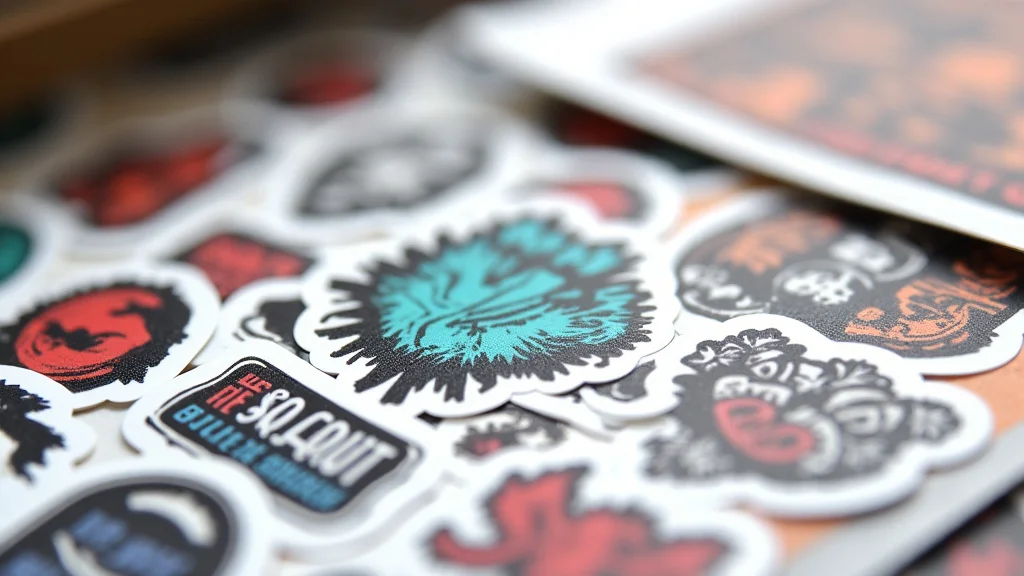
Printing hubs specialize in promotional products to elevate brand awareness and engage customers. Banners and posters can transform a business space, while stickers can be used to label products or include in shipping. Direct mail campaigns use postcards or mailers to engage potential customers.
- Banners and Posters: Attention-grabbing displays for events and storefronts.
- Stickers and Labels: Used for branding, packaging, and promotion.
- Postcards and Mailers: Cost-effective direct mail marketing.
- Promotional Products: Items like mugs, pens, and t-shirts with branding.
A retail store may use posters to advertise seasonal sales or new arrivals. A software company could give branded pens at a tech conference. A marketing agency might send postcards to introduce its services to prospective clients. These items can strengthen brand recognition.
Specialty Products
These products cater to niche requirements, providing a degree of flexibility for creative requirements. These types of projects can make a business stand out. From large format printing to custom packaging, these products add a unique touch.
- Large Format Printing: Displays for posters and banners.
- Custom Packaging: Branded boxes and packaging for products.
- Invitations and Announcements: For events and special occasions.
- Custom Apparel: Branded clothing like t-shirts.
An art gallery might need large-format prints to exhibit artwork. An e-commerce business may use custom packaging to elevate the customer experience. A wedding planner could use printed invitations for their clients. A sports team may use custom apparel for their brand.
Choosing the Right Printing Hub
Choosing the correct printing hub is a key decision that affects quality, cost, and efficiency. Many factors influence the decision, including your specific requirements and objectives. Some are more suited for small-scale projects, while others have the capacity for large-volume orders. Therefore, the selection process requires careful evaluation.
Factors to Consider
When selecting a printing hub, several factors need careful evaluation. Evaluate the services and the products they offer, comparing it to your specific requirements. Assess their pricing models, making sure they fit within your budget. Research their reputation by reviewing customer feedback and checking online reviews. Finally, assess how easy their interface is to use.
- Product Range: Check to see if they offer the items you need.
- Pricing and Discounts: Compare prices and volume discounts.
- Print Quality: Review samples and check print resolution.
- Customer Reviews: See what others say about their experiences.
- Turnaround Times: Confirm they can meet your deadlines.
- User Interface: Assess how easy the platform is to navigate.
For example, if you need a high volume of flyers, make sure the platform offers volume discounts and rapid turnaround times. If you require specialty products, such as custom packaging, verify they offer this service. You should always read customer feedback to get an idea of the quality and service.
Pricing Models and Cost Management
Printing hubs offer several pricing models. Understanding these models allows you to manage costs effectively. They vary depending on the product, quantity, and print specifications. Make sure you compare pricing options, and be clear about all the fees involved before placing your order. This aids you in controlling print expenses.
- Per-Unit Pricing: Cost per item printed.
- Volume Discounts: Lower prices for larger orders.
- Custom Quotes: For specialized projects.
- Shipping Costs: Consider the shipping fees.
For a large print run, the per-unit pricing would be the most relevant metric to evaluate. For complex projects, get custom quotes. Make sure to factor in all fees, including shipping. A small business with a tight budget can reduce costs by comparing prices and ordering in bulk.
Quality Assurance and File Preparation
Top-notch print quality requires careful attention to detail, both on your side and on the print provider’s end. This includes ensuring your design files meet all requirements and ensuring the print provider uses top-quality materials and processes. To make sure you get the best outcomes, prepare your files accurately and learn about the print hub’s quality control methods.
- File Formats: Use high-resolution PDFs.
- Color Profiles: Ensure proper CMYK color mode.
- Resolution: Use a minimum of 300 DPI for images.
- Proofing: Review and approve proofs.
- Material Selection: Choose suitable paper stocks.
Always proofread your designs and confirm colors are accurate before submitting files. Select the right paper stock for your requirements. For example, if you’re ordering business cards, you want to be sure you are using high-quality paper with a heavy weight. A high-resolution PDF with CMYK color mode ensures your print materials look as intended.
Optimizing Your Print Strategy
A well-defined print strategy uses print materials effectively. With the right strategy, businesses can maximize their investment in print advertising and branding. This involves understanding your target audience, selecting the right print products, and measuring the impact of your campaigns. Using these best practices improves your marketing results.
Integrating Print with Digital Marketing
To improve brand recognition, integrate your print and digital marketing efforts. Use QR codes to link print materials to your website. Include your social media handles on all marketing materials. Track the performance of your campaigns through the use of unique URLs or promotional codes. This maximizes your brand presence across all channels.
- Use QR codes on brochures to direct customers to your website.
- Include social media handles on all print materials.
- Track the campaign performance with unique URLs or promotional codes.
- Drive traffic with consistent branding.
- Use print ads for special offers or limited-time events.
For instance, a retail store could place a QR code on a flyer, which allows customers to scan it and view an online catalog. This makes it easy for customers to engage and improves traffic. When you integrate print with your other channels, it enhances brand visibility and engagement.
Print Strategy for Promotional Items
Promotional items have a lot of potential when it comes to boosting brand awareness. Items like branded pens, mugs, and apparel can create a lasting impression. Select items that are relevant to your brand and useful to your target market. Ensure consistent branding by including your logo, brand colors, and message. A well-executed promotional strategy will generate positive associations with your brand.
- Select Relevant Items: Pick items your audience will appreciate.
- Branding Consistency: Use your logo and brand colors.
- Quality Materials: Choose quality products that last.
- Strategic Distribution: Give items at events or with purchases.
- Track Results: Measure the effect of promotional items.
A software company could distribute branded notebooks to attendees at an industry conference. A coffee shop could use branded mugs for its loyalty program. These give a chance to showcase your brand to your target audience. This boosts brand recognition and strengthens client loyalty.
Common Myths Debunked
Frequently Asked Questions
Question: Are online printing hubs expensive?
Answer: Not always. They are often more affordable than traditional print shops, particularly when it comes to bulk orders. Many offer volume discounts and a wider range of price points.
Question: Can I upload my designs to any print hub?
Answer: Yes, typically. Most online printing hubs accept standard file formats like PDF, JPG, and PNG. However, be sure to check the specific requirements of the provider you select.
Question: How can I ensure my print colors look accurate?
Answer: Use CMYK color mode, submit high-resolution files, and ask for a printed proof. Most printing hubs offer proofing services to check color accuracy.
Question: What if my order arrives with a quality problem?
Answer: Reputable printing hubs usually offer a satisfaction guarantee. They will reprint your order or provide a refund if there are any issues.
Question: Are there any print hubs that offer design services?
Answer: Yes, many online printing hubs offer graphic design services or have templates that you can customize. This is a great choice if you don’t have a designer.
Final Thoughts
In short, the rise of the printing hub has changed the print game. These platforms provide many benefits to businesses and individuals, including convenience, cost savings, and access to a wide array of products. Whether you need business cards, flyers, or custom packaging, a printing hub can meet your requirements. With the ability to easily customize your materials, these platforms offer a quick way to grow your brand.