Remember that crisp, inky smell of a fresh newspaper, rustling with the morning news? I do. It’s a sensory experience that’s increasingly rare. These days, news often arrives on screens, but the tradition of printing newspapers continues. This post explores the technical aspects of printing newspapers, the value they still offer, and the enduring legacy of this powerful medium. You’ll gain a deeper appreciation for the complex processes involved, from the initial design to the final distribution, increasing your knowledge and boosting your reading time. Furthermore, we’ll debunk some common misconceptions about this industry, reducing your risk of misinformation.
Key Takeaways
- Learn about the evolution of newspaper printing.
- Discover the different printing methods and their characteristics.
- Understand the role of design and layout in newspaper production.
- Explore the materials used in printing and their impact.
- Examine the importance of distribution and circulation.
- Recognize the enduring value of printed news.
The Evolution of Printing Newspapers
The story of printing newspapers is a story of constant innovation, from the earliest hand-cranked presses to the high-speed, automated machines of today. It’s a tale of how technology has shaped our access to information. Initially, all news was spread by word of mouth, or handwritten copies. The invention of the printing press was a turning point. Before, information was scarce, available only to the elite who could afford scribes. With the press, information became more accessible, ushering in an era of mass communication and societal change. The rapid spread of ideas changed history.
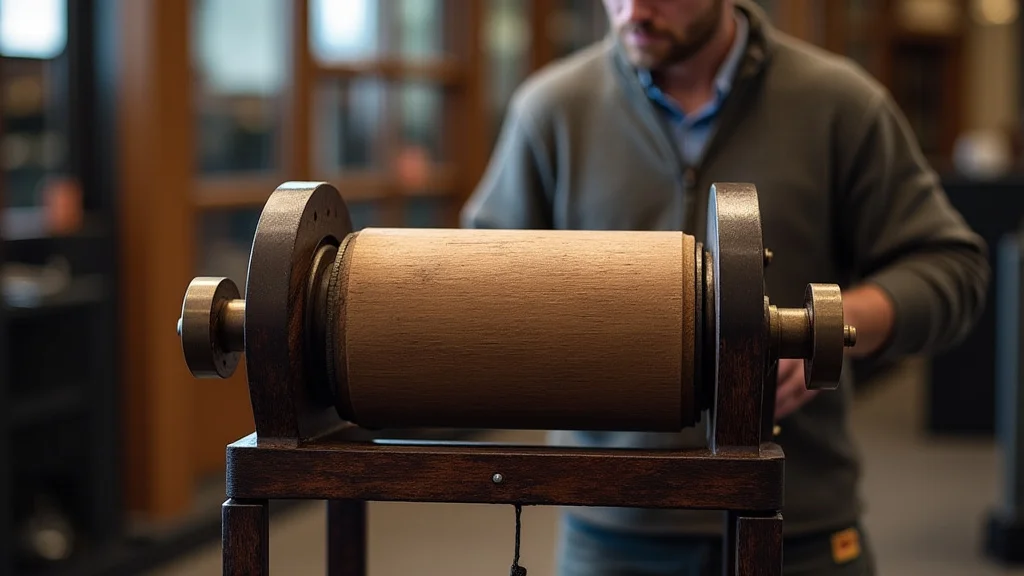
The early printing presses were slow and labor-intensive, requiring a team of people to ink the type and press the paper. Each sheet was printed individually. The process improved significantly with the invention of the steam-powered press, which sped up production dramatically. These machines could print many more papers in a fraction of the time. This allowed for wider distribution and greater impact. Later, the introduction of the rotary press, which used cylindrical rollers, further accelerated the process, allowing for the continuous printing of long sheets of paper, making the process much faster and easier.
From Hand Press to High-Speed Machines
The transition from hand presses to power presses was gradual. Manual presses were still used for smaller publications and special editions even after the adoption of automated machines. Power presses transformed the newspaper industry. They allowed newspapers to become more frequent and larger. With each technological leap, from the linotype machine, which automated the typesetting process, to the use of offset printing, production costs dropped, making newspapers more affordable. As technology advanced, newspapers could include photographs and color, making them more visually appealing and informative. Today, we are seeing the continued evolution to incorporate digital workflow.
- The Gutenberg Press: Invented in the 15th century, the Gutenberg press was a revolution, using movable type. This enabled the mass production of books and, eventually, newspapers. The press marked the start of printed materials.
- Steam-Powered Presses: The Industrial Revolution brought steam-powered presses, increasing speed and volume. This was a critical improvement, allowing papers to reach more people.
- The Rotary Press: This method used rotating cylinders, enabling continuous printing and faster speeds.
- Offset Printing: Offset printing uses plates to transfer ink, enabling high-quality, high-speed color printing.
- Digital Printing: Digital printing allows for faster setup and smaller print runs, changing how newspapers are created.
One notable example is the New York Times, which embraced new technologies throughout its history. In the early days, they were early adopters of the linotype machine, allowing them to rapidly set type. Later, they invested in offset printing and advanced digital workflows. This history shows newspapers adapting to stay relevant and provide news efficiently.
The Different Methods Used for Printing Newspapers
Several methods are used for printing newspapers, each with its own benefits and drawbacks. The choice of method depends on the size of the print run, the budget, and the desired quality. While digital technology has changed the landscape, some methods continue to be popular, while others are less common.
Flexography, offset, and digital printing are the main types used today. Flexography is ideal for high-volume jobs, like most newspapers, delivering a mix of speed and cost-effectiveness. Offset printing is a popular choice for quality and speed. Digital printing is best for short runs or customized publications, providing flexibility. Each method has a specific role, shaping the way we read the news.
Flexography Printing
Flexography (flexo) uses flexible plates. These plates are made of rubber or photopolymers. The process involves inking the raised surfaces of the plates. The inked plates then transfer the image onto the paper. It is a favored method for printing newspapers, particularly for large print runs, as it’s quick and cost-effective. Flexography can also work well on various types of paper, including newsprint. Flexography is used widely across the packaging industry for its versatility in handling various materials. The technology supports high-speed production, which aligns with the demand for timely news.
- Plate Preparation: Flexible plates are made from rubber or polymer, with the image raised on the surface. These are durable and withstand high-speed printing.
- Inking Process: The plates are inked using a system of rollers. The ink is transferred evenly, ensuring consistent printing across the entire page.
- Impression and Printing: The inked plate presses onto the paper, transferring the image. The process is repeated as the paper moves through the press.
- Speed and Efficiency: Flexography is known for its high speed. It’s possible to print thousands of copies per hour.
Consider the Wall Street Journal. It uses flexography to print millions of copies daily. This efficiency allows the newspaper to be available across the country. The high-speed capabilities and suitability for newsprint make it a perfect fit for this kind of high-volume requirement.
Offset Printing
Offset printing is known for its high-quality results. The process uses plates to transfer the image to a rubber blanket. The blanket then transfers the image to the paper. This indirect method is known for producing clear and vibrant images and text. It’s often used for publications where image quality is very important. Offset printing can also use a wide range of paper types, delivering more options for design.
- Plate Preparation: Aluminum plates are created with the image. The image is either chemical or laser etching.
- Ink Transfer: The plates are inked, and the image is transferred to a rubber blanket cylinder.
- Image Transfer to Paper: The blanket cylinder rolls against the paper, transferring the image.
- Paper Handling: Sheets are fed through the press, allowing for multiple colors and complex designs.
Magazines often use offset printing. They need high-quality images and complex color designs. This method ensures that the final product looks professional. The result is a publication with sharp images and accurate color reproduction.
Digital Printing
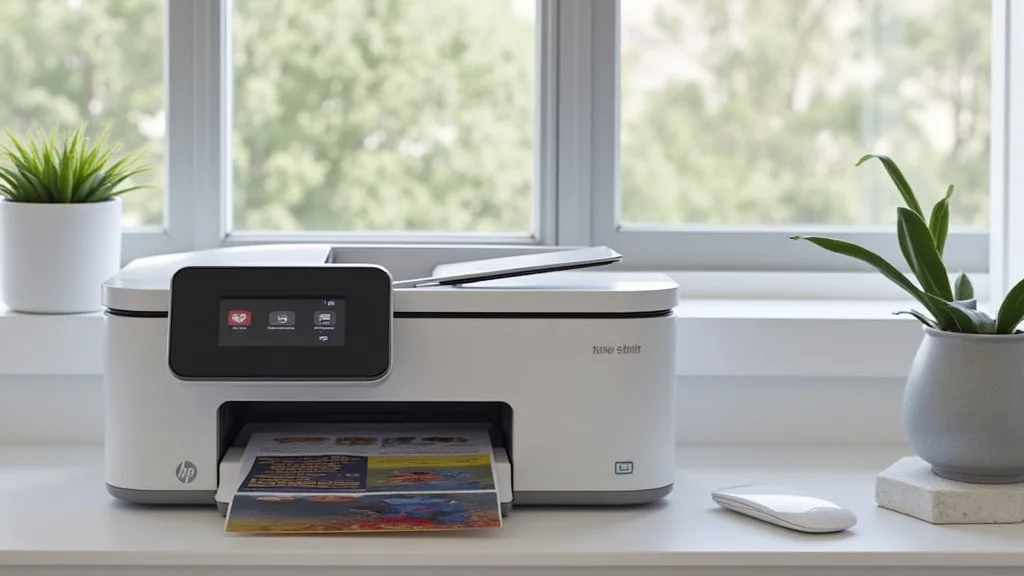
Digital printing uses digital files to directly print onto paper, without the need for plates. It offers flexibility and cost-effectiveness for small print runs. Digital printing is used for on-demand publishing, enabling newspapers to produce short runs. It’s a great choice for localized news or specialized publications. The lack of plates reduces setup time and allows for customization and variable data printing.
- Digital File Preparation: The artwork or document is prepared digitally. This can be done using a variety of design software.
- Ink Application: Ink or toner is applied directly to the paper from the digital file. This process is fully automated.
- Versatility: Digital printing accommodates different paper sizes and types.
- Variable Data Printing: Allows personalization, such as adding names or tailored content to each copy.
Local newspapers may use digital printing for community events or limited runs. This method lets them produce publications quickly and cost-effectively. Digital printing can personalize content or target specific audiences. This is useful for community newsletters and niche publications. Its flexibility makes it a valuable method for small-scale projects.
Design and Layout in Newspaper Production
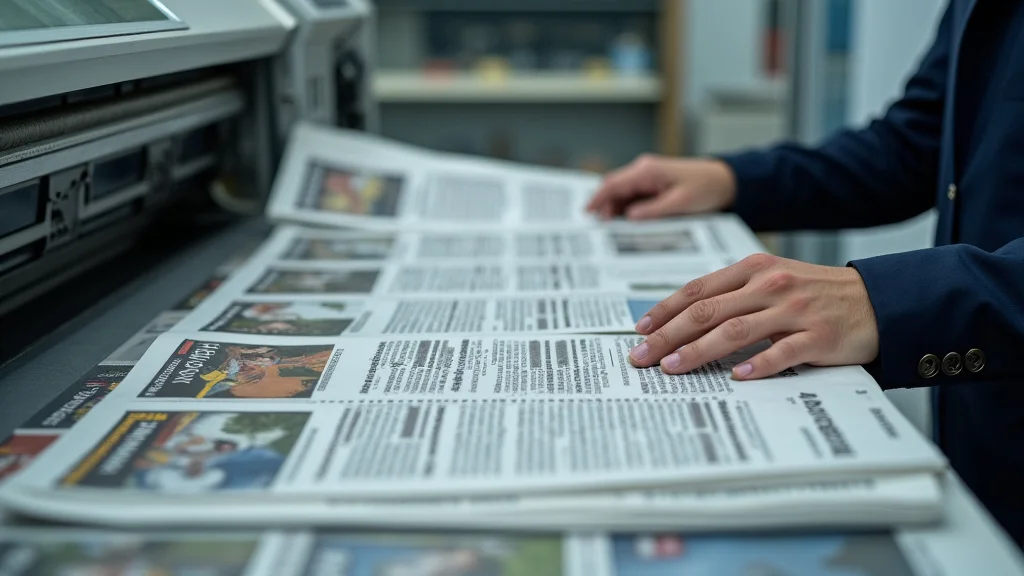
Design and layout are vital to printing newspapers. A well-designed newspaper draws readers in and keeps them engaged. The layout includes the arrangement of text, images, and headlines. It should be easy to read and understand. Design is not just visual; it also helps convey information in a clear manner. The design helps the newspaper connect with its target audience.
The design must reflect the newspaper’s brand and the interests of its readers. Headline font choices, image placement, and the use of white space all influence readability. Good design also considers navigation, helping readers find what they’re looking for. The design team works with editors and reporters to present news in a way that’s informative and visually appealing.
Key Elements of Newspaper Design
Newspaper design uses a set of key principles to create an engaging experience. Careful planning and execution turn an assortment of content into a unified whole. It can also help convey tone, importance, and clarity. Layout is more than aesthetics; it’s a critical tool for communication.
- Headlines: Headlines attract readers. They should be clear, concise, and entice readers to read the article. Size and font are crucial, as well as the layout for maximum impact.
- Typography: Font selection is important. Different fonts create different impressions. Body text should be easy to read and professional.
- Images and Graphics: Photos and illustrations break up the text. They provide visual interest and can help tell a story.
- White Space: Using white space (empty areas) prevents the page from looking crowded. It provides visual relief.
- Grid System: A grid system provides structure for design. It keeps the layout consistent and organized.
Consider how the New York Times uses large images and a clean layout to draw readers. They have the resources to hire dedicated designers. The design principles are the same for all newspapers: create a clean and intuitive presentation. It’s a great example of successful newspaper design.
Layout Software and Tools
Designers use software to create newspaper layouts. They work with text, images, and other elements. It is how news is organized into pages that can be printed. With the right tools, designers are able to experiment and develop compelling designs.
Adobe InDesign is standard in the industry. It gives designers control over every aspect of layout. It offers features for managing text, images, and color. Designers can also use templates and create styles for consistent layouts. Other programs may have certain advantages, yet InDesign remains a popular choice for its design capabilities.
Materials Used in Newspaper Printing
The materials used in printing newspapers play a vital part in the quality, cost, and environmental impact of the final product. Newsprint, ink, and other supplies affect the appearance and feel of the newspaper. Paper choice affects the weight, texture, and image quality. These materials also affect how long the newspaper lasts.
Newsprint is the most common paper for newspapers. It’s affordable and suitable for high-volume printing. Ink selection includes different types, like black, color, and specialty inks. The right choice ensures the text and images are sharp and clear. As environmental concerns grow, so does the focus on using sustainable materials, promoting environmentally responsible processes.
Newsprint and Its Characteristics
Newsprint is made from wood pulp. It has specific properties that make it suitable for newspapers. This paper is known for its affordability, which helps keep production costs down. Newsprint has a short lifespan and is not designed to be long lasting. Its light weight helps reduce shipping costs. The materials used directly impact a newspaper’s affordability and sustainability.
- Composition: Newsprint is mainly made from mechanical pulp. This process is less expensive than using chemical pulp.
- Weight and Thickness: Newsprint is relatively thin and light. It weighs between 45 to 60 grams per square meter.
- Opacity: Newsprint can be somewhat transparent. This can allow the text on one side of the paper to show through on the other.
- Cost: Newsprint is very affordable. This helps keep newspaper costs down, making it an accessible media.
Many newspapers now use recycled newsprint to reduce environmental impact. It may be made from post-consumer waste. They use this paper to reduce their environmental footprint and to provide high-quality news. This shows a commitment to sustainability.
Ink and Its Role
The ink is used to transfer images and text to the paper. The ink selection is important to achieve the desired visual appearance. Ink is more than just pigment; it also includes vehicles, binders, and additives. Different ink formulations offer variations in color, brightness, and durability. The ink selection is critical to ensuring the newspaper is readable and attractive.
- Color: The most common ink colors are black and various combinations of color inks. Color inks are used for headlines and advertising.
- Types of Ink: Different printing methods use different inks. Flexography uses liquid inks, and offset printing uses oil-based inks.
- Drying Process: How the ink dries varies. Some inks are absorbed into the paper, while others dry through evaporation.
- Sustainability: Many newspapers are now using inks made from renewable resources. They are using soy-based inks to reduce the impact on the environment.
An example is the use of black ink for body text, ensuring legibility. Color inks are reserved for headlines, images, and advertisements. The use of ink, from the color selection to the drying process, has a strong effect on the appearance of the finished newspaper.
Distribution and Circulation of Printed News
Distribution is a key element of getting newspapers into the hands of readers. It’s the process of getting the printed product from the press to the customer. This involves many steps, including packaging, transportation, and delivery. An effective distribution plan guarantees that news reaches its target audience on time. The effectiveness of a newspaper’s distribution affects its reach, influence, and financial stability.
Newspapers use a range of methods, from home delivery to newsstands. Effective distribution is essential for a newspaper’s success. It ensures that the news reaches a wide readership. The right distribution plan increases sales and also supports readership by getting the paper to them efficiently.
Methods of Newspaper Distribution
Several methods are used to get newspapers to readers. Each approach has its own strengths and weaknesses. The newspaper’s circulation model affects these choices. Methods also depend on the geography and target demographic. This determines the overall plan.
- Home Delivery: This is a popular option. It provides convenience. Subscribers receive the newspaper directly at their doorstep.
- Newsstands and Retail Outlets: Many newspapers are sold at newsstands, convenience stores, and supermarkets. These locations offer great visibility.
- Subscription Services: Many newspapers offer subscription services. Readers can choose home delivery, digital access, or a combination.
- Bulk Distribution: Some newspapers are distributed in bulk to businesses and organizations. This reaches a wider audience.
Consider a large metropolitan newspaper such as the Los Angeles Times. It uses a mix of home delivery, newsstands, and retail outlets. This method offers the widest possible reach. The combination helps to ensure the paper is available to diverse readers.
The Role of Circulation Management
Circulation management is crucial for a newspaper’s success. This involves managing subscriptions, sales, and distribution. It includes keeping accurate records of all subscribers, managing delivery routes, and handling customer service issues. Efficient circulation management boosts readership and helps the paper operate efficiently.
It involves data analysis, market research, and strategic planning. A newspaper with effective circulation management can reach more readers. This leads to increased advertising revenue and long-term sustainability. They can collect data about readership habits. They can analyze which distribution methods are effective. The team helps to increase the newspaper’s impact.
The Enduring Value of Printed News
While digital news has grown, printed newspapers maintain their value in society. They offer a unique mix of advantages that keep them relevant, even in a digital world. The tangible experience of holding a newspaper in hand, the detail in design, and the ability to consume information at a comfortable pace are still important. Printed newspapers provide a platform for journalism that’s very important.
Printed newspapers are able to provide in-depth information. Their value remains because they offer an escape from digital overload. They are available to people with different access to technology. The continued success of newspapers also depends on the quality of their content and their relationship with their communities.
Tangible Experience
Reading a printed newspaper is a tactile experience. It differs from consuming news on a screen. The feel of the paper, the layout, and the experience of turning the pages are all part of it. Reading a newspaper feels more deliberate. Readers are less likely to be distracted by notifications or other digital distractions. This physical interaction creates a different relationship with the news. The tangible experience of reading a newspaper is often a source of comfort for readers.
- Reduced Digital Fatigue: Printed newspapers provide an alternative to screens. This can reduce eye strain and fatigue.
- Focused Reading: Readers can concentrate without the distractions of digital devices.
- Enhanced Comprehension: Some studies suggest that people remember more when reading printed materials.
- Sense of Authority: The printed form often conveys authority. It has a lasting effect.
Many people find comfort in their routines. Some people enjoy a newspaper and coffee. This provides a focused and enjoyable start to the day. These rituals help make the printed newspaper important.
Community and Local News
Newspapers are a pillar of the community. They often have local news and community events. They promote a sense of connection and belonging. Local newspapers are important for democracy because they provide information about important local matters. They can hold public officials accountable.
The role of local newspapers is vital to inform readers about important issues and current events. They provide coverage of schools, local politics, sports, and culture. They also have a role in the local economy. They provide a space for businesses to advertise, and they also contribute to the local economy. By supporting local newspapers, you also support the community and its values.
Common Myths Debunked
Myth 1: Printed Newspapers Are Dying
Many believe that print is dead due to the growth of digital media. However, while some newspapers have closed, many are still in print and are experiencing success. There is still a need for print, especially among certain demographics. This shows that the demand for printed news is not disappearing, and it continues to be valued by many readers. It has simply evolved to accommodate new formats.
Myth 2: Printing is Environmentally Unfriendly
Many people think printing newspapers is bad for the environment because of the use of paper. However, the industry is increasingly using sustainable practices, such as recycled paper and soy-based inks. The newspaper industry is looking for ways to reduce its impact. They help to make the process more sustainable. They are using methods to offset their carbon footprint.
Myth 3: Digital News is Always Faster
People think digital news is always faster than print. The digital media can update news faster. However, printed newspapers provide a more thorough coverage of events. They do research and provide more in-depth reporting. They offer a more complete picture of the news. With more time for investigation, they are able to report with greater accuracy.
Myth 4: Print News Is Irrelevant
Some people think print news is outdated. It is still an important part of the media landscape. Printed newspapers often have strong local readership. They offer a tangible experience, promoting a relationship with the news. This is still preferred by many readers. Print news is about in-depth coverage. The relevance continues because it serves the needs of readers.
Myth 5: It’s All Just the Same Online
Some people believe that the same content exists across all formats. While many newspapers offer their content digitally, print editions have specific features. Print editions typically include layout and design, and a curated selection of news. The printed paper presents a complete news package. Print can offer a more in-depth perspective.
Frequently Asked Questions
Question: What is the cost of printing newspapers?
Answer: The cost varies depending on the print run, paper type, printing method, and other factors. However, the costs are usually quite affordable for the quantity.
Question: What is the difference between flexography and offset printing?
Answer: Flexography uses flexible plates and is efficient for high-volume jobs. Offset uses plates and a rubber blanket for high-quality results. Each method is chosen according to requirements.
Question: How are newspapers distributed to readers?
Answer: Newspapers are distributed using home delivery, newsstands, subscriptions, and bulk distribution. The choices will depend on the area and who they are targeting.
Question: Are newspapers environmentally friendly?
Answer: The industry is striving to become more sustainable by using recycled paper and eco-friendly inks. They are working to reduce the negative impact on the environment.
Question: What is the role of the design in a newspaper?
Answer: Design is essential for engaging readers. It guides the reader through the news, making it easy to understand. The overall design should reflect the paper’s brand.
Final Thoughts
The practice of printing newspapers has experienced incredible evolution. It has moved from basic printing techniques to modern automated systems. The process includes design, material selection, and distribution. Each step has been perfected. The tangible qualities of the newspaper, the ability to focus without distractions, and its connection to the community, have helped ensure the newspaper’s endurance. It has adjusted to the changing media landscape.
The newspaper continues to inform, connect, and serve. Support local journalism, read printed papers regularly, and encourage your friends to do the same. By appreciating the work of writers and the work required for printing, you’re helping newspapers adapt. You are also ensuring a future for this critical form of journalism. Consider subscribing to your local newspaper today and experience the value of a well-crafted publication.