Imagine you’re an architect with a groundbreaking design for a building with unusual curves and angles. Traditional methods of construction might struggle to bring your vision to life, costing you time and money. That’s where a 5D printing service can truly shine! It allows for the creation of complex shapes and designs with incredible precision and efficiency. This article will explore what a 5D printing service is, the benefits it offers, and how it’s changing industries. By the end, you’ll have a clear picture of how this technology could benefit you, whether you’re a designer, engineer, or simply curious about the future of manufacturing.
Key Takeaways
- 5D printing allows for the creation of objects with complex geometries that are impossible to produce using traditional methods.
- This technology is revolutionizing industries such as aerospace, automotive, and healthcare.
- You’ll gain a strong grasp of the materials used in 5D printing and their properties.
- Learn about the challenges and limitations of 5D printing.
- Understand the cost factors that influence the price of 5D printed objects.
- Explore various applications and examples where 5D printing has been successfully implemented.
Unveiling 5D Printing and Its Revolution
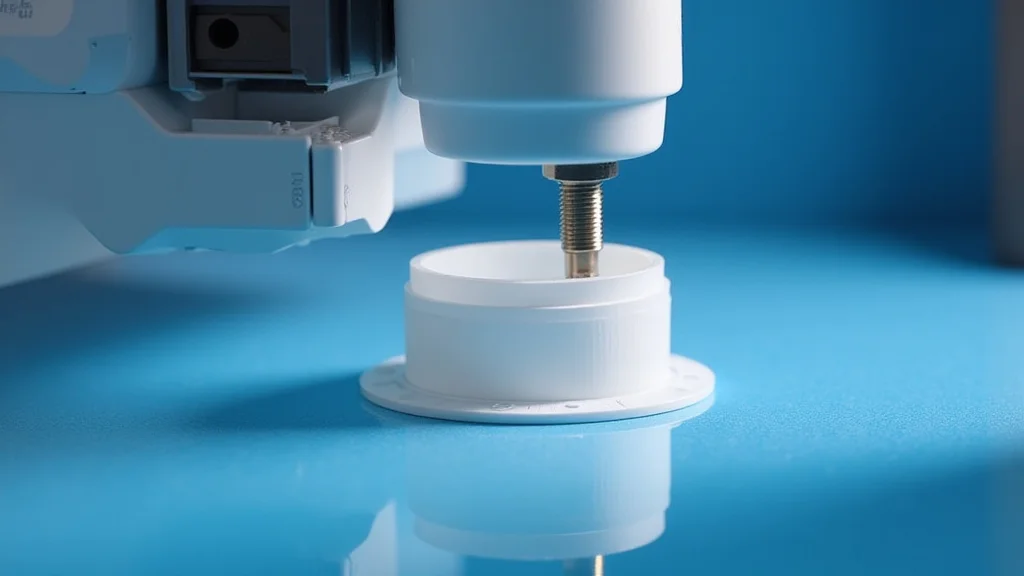
The concept of 5D printing goes beyond the familiar 3D printing, which builds objects layer by layer in three dimensions. 5D printing introduces two extra dimensions, typically referring to the movement of the printing head or the object itself during the printing process. This added flexibility empowers the creation of parts with varying properties and more complex shapes, opening up new possibilities in design and manufacturing. It’s essentially the next step in additive manufacturing, allowing for greater control over the final product’s form and function. It enables the creation of objects with properties that can change over time or from place to place.
What Defines a 5D Printing Service?
A 5D printing service utilizes advanced additive manufacturing techniques to construct objects in five dimensions. This means they can create products with varying properties such as color, texture, and density across different areas of the item. These services typically involve specialized machinery, software, and materials. To create complex, customized products, specialized software programs slice a digital design into layers, while the printing machine deposits materials layer by layer, but with increased flexibility and control. The service usually involves consulting with clients to design, prototype, and manufacture components suited for their unique requirements.
- Advanced Additive Manufacturing: This is the core technology where materials are added layer by layer to create 3D objects. 5D printing takes this further, allowing for changes in material properties within each layer.
- Specialized Machinery: 5D printers use sophisticated equipment to move the print head or the object in multiple axes. Some systems can even adjust the material properties during the print process.
- Software Integration: Software plays a vital role in 5D printing, converting digital designs into instructions for the printer, controlling material deposition, and managing the dynamic properties of the printed object.
The evolution of additive manufacturing continues, allowing for increased control and complexity in the creation of parts. The key to the process lies in the interaction of advanced printers, material science, and the software that controls it all.
How 5D Printing Differs From 3D Printing
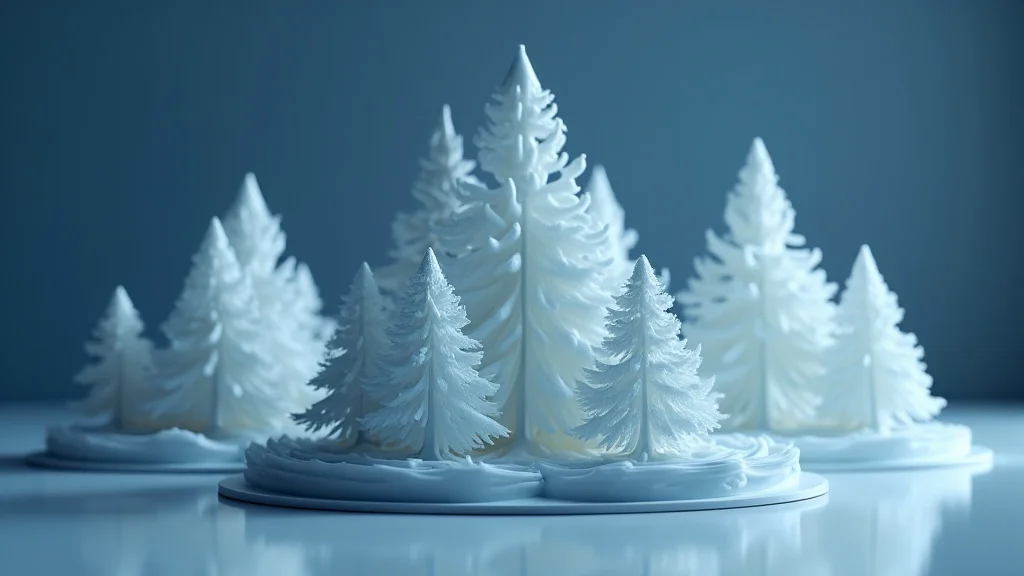
While both 3D and 5D printing build objects layer by layer, the distinctions are significant. 3D printing primarily focuses on creating objects based on spatial coordinates: length, width, and height. 5D printing adds two extra dimensions that often relate to changes in material properties during printing, the movement of the printing head, or the object’s position. This allows 5D printers to create objects with internal variations that aren’t possible with 3D technology. Imagine printing a product where the density changes throughout or its surface texture shifts.
- Dimensionality: 3D printing builds objects in three dimensions, whereas 5D printing expands this to five dimensions. This enables more complex geometries and adaptable product attributes.
- Material Control: 3D printers typically use a single material, with some printers capable of using multiple materials. 5D printing allows for changes in material properties during the printing process.
- Applications: 3D printing is excellent for prototypes and simple end-use parts. 5D printing is ideal for highly complex, customized parts where material variability and intricate shapes are key.
The evolution of this technology pushes the limits of design and function. The key advantage of 5D printing lies in its capacity to construct components with properties that adapt, improve performance, and offer new design possibilities.
The Benefits of Utilizing a 5D Printing Service
Using a 5D printing service has many benefits. The ability to produce complex designs with varying material properties allows manufacturers and designers to go beyond the limitations of traditional methods. It creates lighter, stronger parts. It also allows the creation of components that are customized and perfectly suited to their application. Ultimately, this leads to improvements in product performance, efficiency, and cost savings.
- Design Freedom: 5D printing gives designers the freedom to create complex geometries, intricate internal structures, and components with tailored properties that are impossible with conventional manufacturing.
- Material Versatility: 5D printing can utilize a variety of materials including polymers, metals, ceramics, and composites. This allows for the production of components that have unique mechanical, chemical, and physical attributes.
- Cost Reduction: Despite the initial investment, 5D printing can reduce costs through design optimization and waste reduction. This becomes even more apparent in areas such as small-scale manufacturing.
These advantages make 5D printing an attractive option for various industries, paving the way for innovations and improved product performance.
Materials and Techniques Employed in 5D Printing
The materials and techniques used in 5D printing are diverse, enabling the creation of components with varying properties and complex structures. Materials range from polymers and metals to composites, with techniques that include material extrusion, stereolithography, and directed energy deposition. The correct choice of materials and processes is essential to achieve the desired attributes and performance of the finished product. This adaptability is critical for applications across various sectors, like aerospace and automotive.
A Range of Printing Materials
The selection of materials used in 5D printing is broad, determined by the particular application and desired properties of the final product. Different materials offer unique advantages, such as strength, flexibility, resistance to heat, and chemical inertness. The choice of materials impacts how each print will function and perform. With the correct combination of materials, it is possible to create optimized parts.
- Polymers: Polymers are versatile and commonly used in 5D printing. They’re excellent for producing lightweight parts with complex geometries. Common examples include ABS, PLA, and nylon.
- Metals: Metals such as stainless steel, titanium, and aluminum are often utilized where components require strength, durability, and resistance to high temperatures. Metal printing is widely used in aerospace and automotive applications.
- Composites: Composites, which combine multiple materials, offer unique performance attributes. Carbon fiber-reinforced polymers, for instance, are both lightweight and strong, making them ideal for high-performance components.
Each material offers specific benefits. The selection process involves considering the needed mechanical, chemical, and physical characteristics for the application.
Advanced Printing Technologies
Several advanced techniques are used in 5D printing, each with unique characteristics and capabilities. These processes vary in how they deposit materials to construct the final object. This allows 5D printing services to create components with intricate designs and customized material characteristics. The choice of method depends on factors such as materials, geometry, and desired part quality.
- Material Extrusion: Material extrusion is among the most used methods in 3D printing, where material is pushed through a nozzle onto a build platform. This method supports a wide variety of materials, including polymers and some composites, making it suitable for basic and complex designs.
- Stereolithography (SLA): SLA involves curing liquid resin layer by layer using light. This approach enables a high level of precision and is often used for creating components with smooth finishes and fine details.
- Directed Energy Deposition (DED): This method utilizes focused energy, such as a laser or electron beam, to melt and deposit material. DED is effective for metal printing and creating parts that are strong and resilient.
Different technologies have unique advantages. The selection of the printing technique impacts how the design is created and the ultimate performance of the finished product.
Customization and Control of Material Properties
The capacity to customize material properties is a defining attribute of 5D printing. This means the ability to adjust characteristics such as density, texture, and flexibility within a single component. This degree of control enables the creation of tailored components that can enhance performance and meet specific application needs. Customized components can be designed for their intended use. This level of control is achieved through advanced technologies and materials.
- Graded Materials: The ability to produce graded materials, where material properties change gradually throughout the part, allows manufacturers to optimize components for strength, flexibility, or other properties where they are needed.
- Multi-Material Printing: Using multiple materials in a single print allows the creation of components with diverse characteristics. This can include combining rigid and flexible materials, or materials that have different electrical or thermal properties.
- Surface Treatments: The use of surface treatments during printing or as a post-processing step allows for enhanced aesthetics, improved performance, and added durability. Surface modifications can include textured finishes, coatings, or treatments that improve wear resistance.
Customization allows for parts that are very specific to their job. This level of control opens up new avenues in the engineering and production of components, allowing for higher efficiency and better products.
Applications of 5D Printing
The applications of 5D printing services are expanding across many sectors, fueled by the capacity to produce customized components with complex geometries and diverse material properties. From aerospace and healthcare to automotive and consumer products, this technology is driving innovation and enabling advances that were previously unimaginable. As the technology matures, the impact of 5D printing will continue to increase. This provides new avenues for customization, performance improvements, and cost reduction.
Aerospace
In the aerospace industry, 5D printing is used to produce lightweight, strong, and highly customized components for aircraft and spacecraft. This has benefits such as reducing weight, improving fuel efficiency, and enhancing performance. 5D printing enables complex shapes and designs to be created that wouldn’t be possible with standard methods. This leads to innovations in aircraft and spacecraft design.
- Complex Geometries: The ability to produce intricate designs allows for optimized aerodynamic designs, reducing drag and improving fuel efficiency.
- Lightweight Components: Materials like composites can be used to produce lighter but strong parts, leading to reduced overall weight and improved performance.
- Customization: 5D printing allows for the rapid creation of customized components that precisely match the needs of a particular aircraft or spacecraft design.
In aerospace, the ability to build advanced components has led to significant improvements in efficiency, design, and performance.
Healthcare
In healthcare, 5D printing enables the creation of customized medical devices, implants, and prosthetics. The ability to create components with complex designs and tailored material properties enables better patient outcomes and greater quality of life. This technology is revolutionizing medical treatment and allowing doctors to provide personalized care.
- Personalized Implants: 5D printing enables the production of implants, such as hip and knee replacements, customized to the patient’s anatomy, resulting in improved fit, function, and comfort.
- Prosthetics and Orthotics: Customized prosthetics and orthotics created with 5D printing improve the quality of life for people with disabilities, offering better fit, function, and aesthetics.
- Surgical Planning Tools: 5D printing is used to create models of patient-specific anatomy, helping surgeons in the planning and practice of complex operations.
In healthcare, 5D printing plays a critical role in producing personalized medical solutions, thereby transforming patient care and results.
Automotive
The automotive industry employs 5D printing to produce prototypes, custom parts, and even complete vehicles. This technology is used to create lightweight, high-performance components and is critical in accelerating the design and production process. It has brought greater flexibility and efficiency to manufacturing, allowing car companies to respond swiftly to changing design and market needs.
- Prototypes: 5D printing allows automotive manufacturers to rapidly create prototypes of new designs, enabling faster testing and development cycles.
- Custom Parts: 5D printing enables the creation of custom parts, improving performance and aesthetics for individual vehicles and also for the production of limited-edition models.
- Manufacturing Efficiency: 5D printing can reduce manufacturing lead times, allowing for just-in-time production and reducing waste.
In automotive, 5D printing is a key technology for driving creativity, improving performance, and creating efficient manufacturing processes.
Consumer Products
The consumer goods market has embraced 5D printing for creating custom products, prototypes, and a wide array of specialized items. This technology enables new ways to design and produce goods with increased customization and efficiency. It gives consumers more choice and permits businesses to offer unique products that meet specific needs.
- Customization: 5D printing enables businesses to provide customized consumer products, such as shoes, eyewear, and home decor items, meeting specific customer needs and tastes.
- Prototyping: 5D printing enables manufacturers to quickly prototype new designs and products, resulting in shorter product development times and greater market responsiveness.
- Rapid Production: 5D printing can support the rapid production of consumer goods, which reduces the need for large-scale manufacturing and allows for on-demand production.
In the consumer goods market, 5D printing enables customization, speeds up product development, and offers businesses the capacity to provide distinct items.
Costs and Considerations
The price of utilizing a 5D printing service is determined by numerous factors, including the material used, complexity of the design, and size of the object. While the initial investment in 5D printing can be greater than that of conventional manufacturing, the benefits are often significant, particularly in the production of customized or complex components. A complete analysis of expenses and related considerations is important before selecting a 5D printing service.
Factors Influencing the Price
The cost of 5D printing services depends on many factors, and fully realizing these variables can help customers make educated decisions when choosing a service. These aspects directly impact the final cost of a project.
- Material Costs: The price of the material is a key driver of the overall project cost. Specialty materials, such as metals or composites, can cost more than common polymers.
- Design Complexity: Designs with intricate geometries, fine details, and internal structures will take longer to print and may require more support materials. This will increase the cost.
- Size and Volume: Larger items and those produced in greater quantities require more materials and printing time, which can increase the overall cost.
The costs for 5D printing services depend on the materials used, the complexity of the design, and the size and quantity of the item.
Comparing 5D Printing Costs to Traditional Manufacturing
Comparing the costs of 5D printing with traditional manufacturing techniques is essential to assess the economic viability of a project. While 5D printing might have a higher initial investment, it may be more cost-effective for small-batch runs or components with intricate designs. A careful assessment is needed to identify the most suitable method for a specific project.
| Factor | 5D Printing | Traditional Manufacturing |
|---|---|---|
| Setup Costs | Potentially higher, due to specialized equipment and software. | May vary, depending on the manufacturing process. |
| Material Costs | Dependent on the materials used. May be higher for specialty materials. | Dependent on the materials used. Costs can vary based on volume and supplier. |
| Labor Costs | Generally lower, thanks to automation. | Can be higher, particularly for labor-intensive processes. |
| Production Volume | Cost-effective for small to medium production runs. | Most cost-effective for large production volumes. |
| Design Complexity | Cost-effective for complex geometries and designs. | May be more expensive to produce complex designs. |
Understanding these variances enables decision-making about the optimum production methods.
Choosing the Right 5D Printing Service
Selecting the right 5D printing service is critical for project success. A number of criteria must be considered when making your selection, including the provider’s capabilities, experience, and the materials offered. By analyzing these aspects, you can choose a provider that suits your specific requirements and assures optimal results.
- Capabilities and Equipment: Verify that the provider possesses the appropriate 5D printing equipment, materials, and technological abilities to meet your requirements.
- Experience: Consider the provider’s track record in your industry or in comparable projects. This experience can ensure quality and efficiency.
- Material Selection: Assess the range of materials offered by the service to be certain that they match your project’s material needs.
Selecting the best 5D printing service requires a complete assessment of these key factors.
Common Myths Debunked
Several common misconceptions exist around 5D printing. It is essential to understand these facts to make educated choices about how to use this advanced technology effectively.
Myth 1: 5D Printing is Only for Prototypes
The reality is that while 5D printing is excellent for producing prototypes quickly, it’s also being utilized more for production-ready components. Advancements in materials and equipment have made it possible to print durable, functional end-use items in many sectors.
Myth 2: 5D Printing is Always Expensive
While the initial investment in 5D printing can be significant, the ultimate expense is not always higher. For intricate or customized components, 5D printing can be more cost-effective than conventional manufacturing, particularly for low-volume production.
Myth 3: 5D Printing Can Only Use Plastics
The truth is 5D printing can utilize a variety of materials, including polymers, metals, ceramics, and composites. The material used is determined by the printer and the particular needs of the application. The variety of materials available is constantly expanding.
Myth 4: 5D Printing Is Too Slow for Mass Production
Although 5D printing may not always be as fast as traditional mass production methods, it is rapidly improving in terms of speed and efficiency. Rapid prototyping and the capacity to manufacture customized components on demand make it suitable for manufacturing cycles.
Myth 5: 5D Printing Doesn’t Produce High-Quality Parts
The misconception is that 5D printing creates components of lesser quality than traditional manufacturing. This isn’t true. Modern 5D printing techniques and materials provide high precision and quality. The quality of components is constantly getting better, comparable to or better than those created with other methods.
Frequently Asked Questions
Question: What is the main benefit of using a 5D printing service?
Answer: The primary advantage is the ability to create highly complex and customized parts that are impossible to create using traditional manufacturing techniques. It offers design freedom and material versatility.
Question: What materials can be used in 5D printing?
Answer: A 5D printing service can use a wide range of materials, including polymers, metals, ceramics, and composites, allowing for diverse applications and product attributes.
Question: How does 5D printing differ from 3D printing?
Answer: 5D printing adds two extra dimensions, typically allowing for changes in material properties or the movement of the print head during printing, enabling the creation of more complex designs.
Question: What are some of the key applications of 5D printing?
Answer: 5D printing services are used in aerospace, healthcare, automotive, and consumer goods industries. They are used to manufacture prototypes, custom components, and specialized products.
Question: How do you choose the right 5D printing service?
Answer: Selecting the correct service involves evaluating the company’s capabilities, their experience, and their material selection to ensure they meet the specific needs of your project.
Final Thoughts
As we’ve explored, a 5D printing service offers a groundbreaking way to design and manufacture components. Its ability to create objects with intricate designs and varying material properties pushes the boundaries of traditional manufacturing. We explored materials, from polymers to metals, and the advanced printing techniques that make this possible. The applications of this technology are diverse, from aerospace and healthcare to automotive and consumer products, driving innovation across various sectors. The cost considerations reveal that, while initial investments may seem substantial, the benefits often outweigh the expenses, especially for customized or complex products. The evolution of 5D printing represents a transformative movement in manufacturing and design, offering unmatched freedom and functionality. If you have an intricate design in mind, or are seeking ways to improve product performance and efficiency, exploring a 5D printing service could be the ideal next step. The technology is expanding and provides endless opportunities.