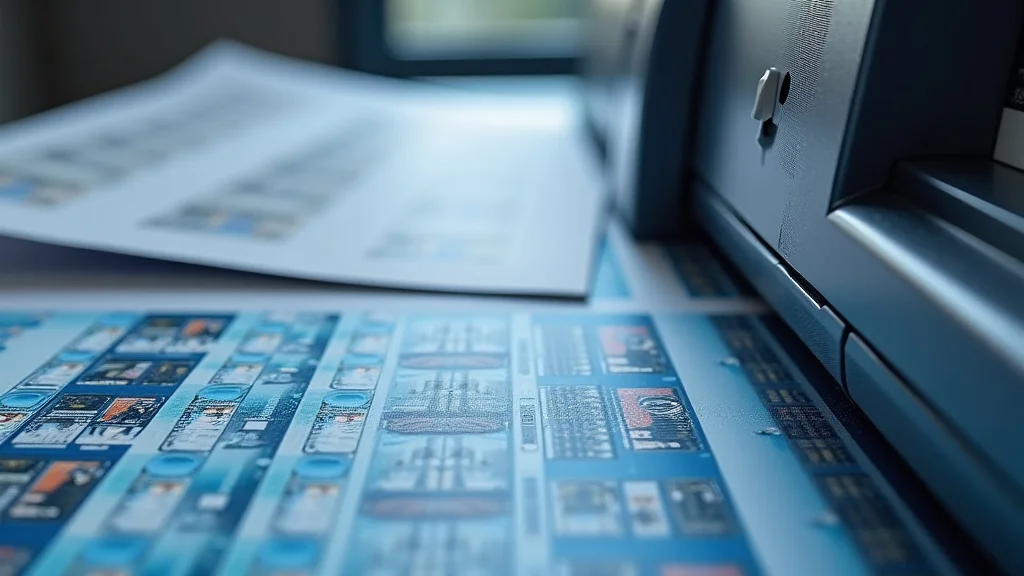
Remember that time you fumbled at the checkout, wishing you had a discount card? Maybe it was a coffee shop reward or a store promotion. Wouldn’t it be great to have a stack of printing discount cards ready to go, designed perfectly for your needs? This post will equip you with everything you need to know about designing and printing discount cards. You’ll learn the best practices and design principles, maximizing their effectiveness and your savings.
Key Takeaways
- Learn the essentials of designing visually appealing discount cards.
- Discover different card types and materials to match your brand.
- Explore cost-effective strategies for printing and distribution.
- Find out how to ensure card longevity and prevent wear and tear.
- Understand best practices for tracking and managing discount card programs.
- Explore how to maximize card utility and minimize expenses.
Crafting the Perfect Discount Card Design
Creating a compelling discount card goes beyond simply slapping a logo on a piece of paper. The design plays a crucial role in attracting customers and communicating your brand’s message. A well-designed card creates a positive impression. It also serves as a tangible reminder of your business, encouraging repeat visits and purchases. A poor design, conversely, can lead to your cards being discarded.
Essential Design Elements
The core elements of your discount card significantly influence its appeal and functionality. Choosing the right components is key to creating a design that effectively communicates your message. From font choices to color schemes, each decision should be deliberate and aligned with your brand’s identity and goals.
- Logo and Branding: Your logo should be prominently displayed to ensure brand recognition. Consistency in branding, including fonts and colors, is vital.
- Clear Call to Action: Clearly state the discount or offer. Make it easy for customers to understand the benefit.
- Contact Information: Include essential contact details, such as a website and phone number, for easy customer reach.
- Card Type: Select the card type with the most longevity. The longer the card lasts, the better.
Consider the color palette carefully. Colors evoke emotions and associations. Red can signify urgency or excitement, while blue often suggests trustworthiness and reliability. Font selection is equally important; choose fonts that are legible and reflect your brand’s personality. Always prioritize a clear, easy-to-read layout.
Size and Shape Considerations
The size and shape of your discount card significantly impact both functionality and user experience. The standard credit card size is popular for its portability and durability, but exploring different options can offer unique advantages. The dimensions will affect how easily the card fits into wallets or is carried around. Some companies want their discount cards to stand out.
- Standard Size: The standard size (3.375 x 2.125 inches) fits easily in wallets. It’s universally accepted and convenient.
- Custom Shapes: Custom shapes can attract attention, but may be more costly to produce and could cause problems.
- Rounded Corners: Rounded corners make cards more comfortable to handle and less likely to get damaged.
- Material Selection: The card’s material, from paper to plastic, affects its durability and cost.
Choosing the right size and shape should align with your brand’s image and your target audience. Consider how the cards will be used and how they will be stored. A standard size offers practicality and cost-effectiveness, while unique shapes can provide a distinct visual appeal.
Choosing Colors and Fonts
Colors and fonts are crucial elements in creating a visually appealing and effective discount card design. These choices can significantly influence how customers perceive your brand and the message you want to convey. Make sure your color and font selections help, not hinder, the overall effectiveness of your cards. Consider contrast and legibility as well.
- Color Psychology: Colors evoke emotions. Choose colors that align with your brand’s personality.
- Font Legibility: Select clear, readable fonts. Ensure that the text is easy to understand.
- Color Contrast: Use contrasting colors for text and background to ensure readability.
- Brand Consistency: Maintain brand identity with consistent colors and fonts.
A well-executed color scheme and font selection can greatly enhance your discount card’s visual appeal and brand recognition. For example, a restaurant might use warm, inviting colors like reds and oranges, while a technology company might lean towards cooler tones like blues and grays. Fonts should be legible and reflect the brand’s tone. Always ensure that the design’s readability is a priority.
Card Types and Materials for Printing Discount Cards
The card type and material you select will affect durability, cost, and overall appearance. Different materials have varying characteristics, influencing their suitability for different purposes. Choosing the right combination of card type and material can provide an edge. This allows you to stand out from competitors.
Paper Types and Finishes
Paper is the most common and often cost-effective choice for discount cards. The weight and finish of the paper significantly impact the look and feel. Each paper type provides a different aesthetic and level of durability. Knowing the pros and cons of each type is important.
- Card Stock: Card stock offers a sturdier feel, making it suitable for cards that will be handled frequently.
- Glossy Finish: Glossy finishes enhance colors and provide a shiny look, often used for visually appealing designs.
- Matte Finish: Matte finishes offer a more subdued appearance and can be easier to write on.
- Recycled Paper: Recycled paper is an eco-friendly option.
When selecting paper, consider the card’s use and your brand’s image. A high-quality card stock with a glossy finish can give a premium look, while a matte finish might be preferred for ease of writing or a more understated feel. Eco-conscious brands might prefer recycled paper options. Paper choice is often driven by budget.
Plastic Card Options
Plastic cards offer durability and a professional appearance. They are ideal for cards that need to withstand frequent handling. Plastic card options provide extended lifespans compared to their paper counterparts. They are more likely to survive the rigors of daily use.
- PVC Cards: PVC cards are the most common plastic option, similar to credit cards, and are highly durable.
- Thickness: Choose the thickness of the plastic based on the intended use.
- Special Finishes: Options include matte, gloss, or even textured finishes.
- Eco-Friendly Plastics: Consider biodegradable or recycled plastic options.
Plastic cards provide a premium feel and are more resistant to wear and tear. Consider card thickness based on the use. Thicker cards feel more substantial. Special finishes can enhance the visual appeal, and eco-friendly options are becoming increasingly popular for brands focused on sustainability.
Alternative Materials
Beyond paper and plastic, several alternative materials can give your discount cards a unique touch. These options can help set your brand apart. These can add to the perceived value of your cards. They could also contribute to your brand identity.
- Metal: Metal cards provide a high-end feel, often used for luxury brands or exclusive promotions.
- Wood: Wooden cards offer a rustic and eco-friendly aesthetic.
- Specialty Papers: Options like textured or watermarked papers can add sophistication.
- Biodegradable Materials: Emerging options, like plant-based plastics, promote sustainability.
These materials offer opportunities for differentiation. Metal cards provide a premium impression, while wooden cards appeal to a more environmentally conscious audience. Consider your target demographic and brand values when selecting the material. The right material can enhance the perceived value and memorability of your discount cards.
Cost-Effective Printing and Distribution Methods
Getting your printing discount cards made at a reasonable price is crucial. There are various approaches to manage your budget. Finding the correct mix of printing techniques and distribution methods will help you make the most of your investments. Doing your research can really pay off in the long run.
Printing Techniques and Their Costs
The printing method you choose can greatly impact your budget. Understanding the differences between printing techniques helps you make informed choices. The quantity of cards needed and the complexity of the design will affect costs. The print quality will also vary based on which method you choose.
- Offset Printing: High-volume printing with excellent quality, but requires larger minimum quantities.
- Digital Printing: Suitable for small quantities and variable data printing, offering flexibility.
- Screen Printing: Ideal for specific colors and designs, often used for unique finishes or materials.
- Special Finishes: Embossing and foiling add visual appeal, but can increase costs.
Offset printing is more cost-effective for large print runs, while digital printing is better for small quantities or personalized cards. Screen printing is ideal for specific effects or unique materials. When estimating costs, consider not just the printing method itself, but also the complexity of your design and any special finishes you want to incorporate.
Distribution Strategies
Efficient distribution ensures that your discount cards reach their intended audience. The method you use will affect your budget, target audience, and convenience. The most effective methods will often depend on your business and the goals of your marketing campaign.
- In-Store Distribution: Handing cards to customers in person.
- Direct Mail: Sending cards through the mail.
- Partnering with Other Businesses: Distributing cards through complementary businesses.
- Digital Distribution: Offering digital versions or codes.
In-store distribution is direct and personal, while direct mail provides wider reach. Partnering with other businesses leverages existing customer bases. Digital distribution is useful for online promotions or to reduce printing costs. Consider which approach best suits your target audience and budget.
Bulk Ordering and Quantity Discounts
Ordering in bulk is a common way to reduce printing costs. This strategy leverages economies of scale, making each card less expensive. This can significantly reduce the overall cost of your discount card program. Proper planning allows for the most savings.
- Economies of Scale: The more cards you order, the lower the unit cost.
- Inventory Management: Plan for adequate storage to prevent damage or waste.
- Future Needs: Estimate future demand to avoid reordering frequently.
- Competitive Bids: Request quotes from multiple printers to compare prices.
By ordering larger quantities, you can benefit from volume discounts. This is particularly useful for businesses that anticipate ongoing card usage. While bulk ordering is cost-effective, careful planning is required to balance the benefits of lower unit costs with the potential need for storage space. Always request quotes from multiple printers.
Ensuring Card Longevity and Handling
Increasing the lifespan of your discount cards improves your return on investment. Preventing wear and tear helps ensure your cards are usable. By following a few best practices, you can dramatically extend their lifespan. Card durability is an important factor in customer experience.
Protective Coating and Finishes
Applying protective coatings is a great way to extend the lifespan of your discount cards. This also boosts their appearance. Coatings are especially helpful for cards that are going to be used repeatedly. The right coating is an investment.
- Lamination: Provides a durable, waterproof layer that protects against damage.
- UV Coating: Offers a glossy finish and protects against fading and scratches.
- Spot UV: Highlights specific areas of the design.
- Overprint Varnish: Provides a subtle protective layer.
Lamination and UV coatings are some of the most effective options for protecting discount cards. They enhance the card’s resistance to wear and tear. Choosing the right coating will depend on your budget and desired appearance. Lamination adds a layer of protection that ensures longevity.
Proper Storage and Handling
How you store and handle your discount cards also affects how long they last. Proper storage and handling are key to prevent damage and ensure they remain usable. Good handling practices minimize loss and ensure cards are readily available when needed.
- Safe Storage: Store cards in a cool, dry place away from direct sunlight.
- Protective Holders: Consider using card sleeves or holders to prevent scratches.
- Employee Training: Train employees on proper handling to avoid damage.
- Regular Inspections: Periodically check card stocks for signs of wear and tear.
Ensure that cards are stored in environments that will prevent warping, fading, or other forms of damage. Card sleeves or holders provide an extra layer of protection, particularly for cards that will be carried in wallets or frequently handled. Regular inspections allow for replacing damaged cards before they cause problems.
Material Durability Considerations
The materials you select significantly impact the card’s durability. The choice between paper and plastic will set the base level of durability. More durable cards will always prove more cost effective. The choice of material often influences the longevity of the cards.
- Paper Stock Weight: Heavier paper stock is more durable than lighter options.
- Plastic Thickness: Thicker plastic cards are more resistant to bending and cracking.
- Coating Compatibility: Make sure coatings are compatible with your chosen material.
- Material Quality: Using high-quality materials increases longevity.
When selecting your material, balance cost considerations with the need for durability. Heavier paper stocks and thicker plastic cards provide greater resilience. Compatible coatings further extend the card’s lifespan. By choosing quality materials, you can create a card that lasts, adding value to your marketing investments.
Tracking and Managing Discount Card Programs
Keeping track of your discount card program is crucial. Effective management ensures that you’re getting the best value for your marketing investments. Accurate records help in understanding the program’s impact. Monitoring is useful for optimizing your efforts for the best results.
Setting Up Tracking Systems
Establishing an effective tracking system is essential for measuring the success of your discount card program. The tracking system helps you analyze data, which can guide improvements. Knowing what cards are being used, and when, is very useful.
- Unique Card Numbers: Assign a unique number to each card. This helps in tracking usage.
- Redemption Codes: Use unique codes to monitor the redemption of discounts.
- POS Integration: Integrate the cards with your point-of-sale system.
- Data Analysis: Analyze redemption rates and customer behavior.
Unique card numbers and redemption codes are key to efficient tracking. Integrating your cards with your POS system allows you to collect detailed data on purchases and redemptions. Regularly analyzing the data collected allows you to assess the effectiveness of your discount program, pinpointing areas that need improvement.
Reporting and Analysis
Regular reporting and analysis are useful for understanding the impact of your discount cards. This helps you gain insight into customer behavior. You can use these insights to tailor your future promotions. Accurate reports help make informed decisions.
- Redemption Rates: Monitor how frequently cards are redeemed.
- Customer Segmentation: Track demographics and purchasing patterns.
- ROI Calculation: Calculate the return on investment for your discount cards.
- Performance Review: Regularly review card performance to identify areas for improvement.
Analyzing redemption rates offers insight into the popularity of your discounts and customer behavior. Segmentation lets you tailor your offerings to specific customer groups. Calculating your ROI helps you assess the financial impact of your card program. Regularly reviewing these metrics gives you the insights needed to improve.
Security Measures and Fraud Prevention
Protecting your discount card program from fraud is a must. Implementing security measures helps maintain the program’s integrity and protect your investment. Security measures, combined with customer awareness, can greatly minimize risk. A proactive approach is key.
- Card Authentication: Implement methods to verify the card’s authenticity.
- Usage Limits: Set limits on the number of times a card can be used.
- Transaction Monitoring: Monitor transactions for suspicious activity.
- Customer Education: Inform customers about how to protect their cards.
Card authentication measures, such as unique numbers or codes, can help you verify the card’s authenticity. Setting limits on usage can prevent abuse. Monitoring transactions and educating customers about card security helps deter and detect fraud. Taking these steps is very useful for fraud prevention.
Common Myths Debunked
Myth 1: Discount cards are only for big businesses.
Reality: Discount cards can be tailored to businesses of any size. Small businesses can start small, with print-on-demand services. The key is to start somewhere. The benefits, like customer retention, can be realized by all.
Myth 2: Plastic cards are always better than paper.
Reality: While plastic cards are more durable, paper cards can be cost-effective, particularly for short-term promotions. Paper cards offer flexibility in design and can be a good choice for some campaigns. The decision depends on your goals.
Myth 3: Designing discount cards is difficult and requires a professional designer.
Reality: There are many user-friendly design tools available. While professional design services can elevate your cards, you can create effective designs using tools that are freely available. You do not need to be a designer.
Myth 4: Discount cards only benefit the customer.
Reality: Discount cards provide many benefits to businesses, including customer loyalty, brand awareness, and valuable data collection. These benefits can increase profits. The cards help the company grow. The cards help create a stronger customer base.
Myth 5: Digital discount cards are always better.
Reality: Digital cards offer convenience, but physical cards have tactile appeal and are a constant reminder of your business. Some customers still prefer the tangible aspect of a physical card. A physical card can provide a better customer experience.
Frequently Asked Questions
Question: What is the most cost-effective material for discount cards?
Answer: For most situations, card stock is the most cost-effective material. It offers a good balance between cost and quality.
Question: How can I design a discount card without hiring a designer?
Answer: Use online design tools like Canva or Adobe Express. These tools provide templates and resources.
Question: What information should be included on a discount card?
Answer: Include your logo, the discount details, a call to action, and your contact information.
Question: How do I choose the right printing method for my needs?
Answer: For large quantities, offset printing is cost-effective. Digital printing is best for small batches.
Question: How do I protect my discount cards from fraud?
Answer: Use unique card numbers, redemption codes, and transaction monitoring systems.
Final Thoughts
You now possess a comprehensive toolkit for designing, printing discount cards, and launching successful card programs. Remember, a well-designed card isn’t just a piece of plastic or paper; it’s a powerful marketing tool. From selecting the perfect card stock or choosing the right distribution method, every decision contributes to the effectiveness of your discount strategy. Experiment with different designs, materials, and distribution methods to find what resonates best with your audience. Remember that clear communication, a strong brand, and a customer-focused approach are always winning combinations. So go ahead, create some amazing discount cards, and watch your business thrive!