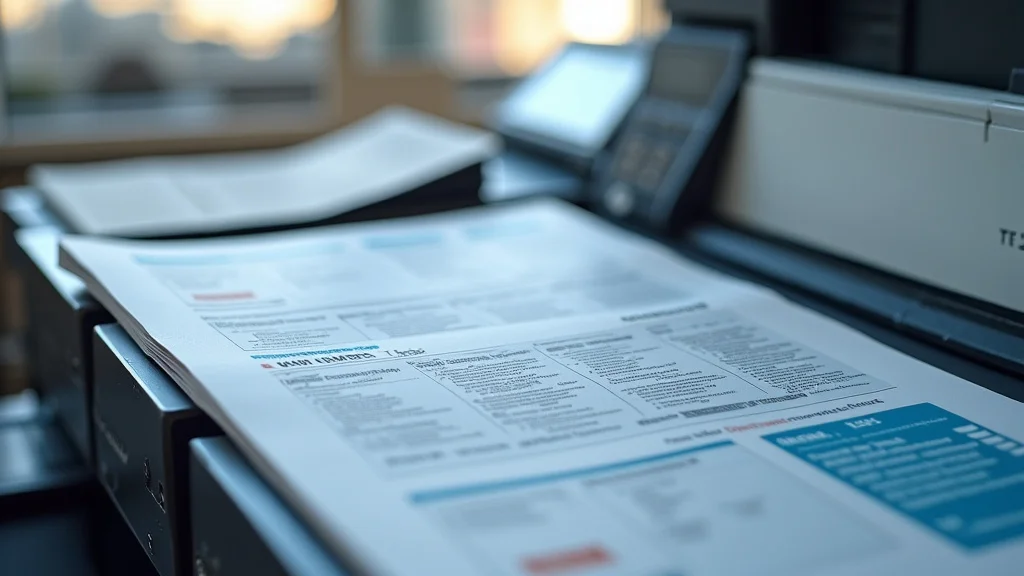
Ever tried to print a vital document at the last minute, only to find your printer acting up? Frustration, right? Well, that experience highlights the importance of reliable printing solutions. This guide explores the specifics of tt printing, breaking down how it works and what advantages it provides. You’ll gain practical knowledge to make your printing processes smoother, saving both time and resources. By the end, you will have a better grasp of the technical details, enabling you to optimize your print jobs and troubleshoot common issues. Your ability to get perfect prints, every time, will also be dramatically improved!
Key Takeaways
- Learn the fundamental principles behind tt printing technology.
- Discover the various applications and advantages of tt printing.
- Understand the specific benefits of thermal transfer over other printing methods.
- Examine the types of materials and products best suited for tt printing.
- Explore the practical uses in different industries and settings.
- Troubleshoot problems related to print quality and maintenance.
Understanding Thermal Transfer Printing
Thermal transfer printing is a method that uses heat to transfer ink from a ribbon onto a substrate. This process is used extensively across various industries because it offers durability and is capable of producing sharp, detailed images. Unlike ink-jet printing, which sprays liquid ink, thermal transfer utilizes a solid ink ribbon that melts when heated by a print head. This makes the images much more robust. The simplicity and efficiency of the system make it a reliable choice for everything from barcode labels to asset tags.
How Thermal Transfer Works
The core mechanism of thermal transfer printing involves a print head, a thermal ribbon, and the receiving material. The print head, which comprises tiny heating elements, applies heat to the ribbon in specific patterns. As the ribbon is pressed against the substrate, the heated ink melts and adheres, creating the desired image or text. The accuracy and control over this process make it ideal for detailed printing jobs.
-
The Print Head: The print head contains an array of tiny heating elements, each controlled electronically. These elements heat up rapidly and precisely, determining the resolution and quality of the print. The higher the dots per inch (DPI) of the print head, the sharper the images.
Print heads come in various resolutions. For example, a 203 DPI print head is suitable for many labeling applications, whereas a 600 DPI print head may be used for more intricate graphics and finer details. The choice of print head also depends on the type of ink ribbon, which is chosen based on the print application.
-
The Thermal Ribbon: The thermal ribbon is the source of the ink. It is a thin, polyester film coated with wax, resin, or a blend of both, which melts upon the application of heat. Different types of ribbons are available for different substrates.
Choosing the correct ribbon is crucial for print quality and durability. For instance, wax ribbons are well-suited for paper labels, while resin ribbons are better for materials that demand greater resistance to chemicals or abrasion. Wax-resin ribbons offer a balance of these properties and are suitable for many general-purpose applications.
-
The Substrate: The substrate is the material upon which the image is printed. This can be anything from paper and synthetic films to fabrics. The print head melts the ink from the ribbon directly onto the surface.
The selection of the appropriate substrate significantly affects the print’s durability and lifespan. A label intended for outdoor use will require a more resilient material than one used indoors. Different substrates require different ribbon formulations to ensure optimal adhesion and resistance to environmental factors.
The Components of a Thermal Transfer Printer
A thermal transfer printer includes more than just the print head, ribbon, and substrate. The entire design contributes to the function and efficiency of tt printing. The correct function of the various components ensures precise prints and helps to reduce any problems.
-
Print Mechanism: This is the engine of the printer, responsible for moving the ribbon and substrate through the printing process. Proper alignment and tension control are critical for consistent print quality.
The print mechanism often includes rollers and gears to manage the motion of the ribbon and labels. It must be calibrated accurately to prevent label jams, ribbon breakage, and poor print alignment. Advanced printers employ sensors to monitor ribbon usage and label positioning.
-
Ribbon Cartridge: This contains the thermal ribbon, providing a simple way to replace and load the ink source. Cartridges also help manage ribbon tension and prevent wrinkles or tears.
The design of the ribbon cartridge influences the ease of use and the efficiency of the printer. Some cartridges include sensors that can detect the remaining ribbon life or signal the need for a change. These features enhance operational uptime and reduce downtime.
-
Media Handling: This system manages the media, such as labels or tags, guiding them through the printer. It is also important for making sure the printer prints on the correct spot. This process ensures smooth and accurate printing.
Media handling mechanisms include adjustable guides to accommodate different label sizes and types. Precise media handling is essential for maintaining consistent print positioning and reducing label waste. Many printers include features to detect media type and adjust print parameters automatically.
Advantages of Thermal Transfer Printing
Thermal transfer printing offers a number of benefits over other methods. Its durability, versatility, and efficiency make it a favored choice across a variety of applications. This section explores these advantages and explains the factors that make thermal transfer an important printing tool.
Durability and Longevity
One of the key advantages of thermal transfer is the durability of the printed image. The melted ink forms a solid layer, which is resistant to fading, smudging, and abrasion. This makes it an outstanding choice for items that must endure tough handling, exposure to weather, or prolonged use. When comparing tt printing to other forms of printing, the durability aspect is often a key differentiator.
-
Resistance to Fading: Thermal transfer prints are less prone to fading from UV exposure than many other print methods. This is particularly important for outdoor applications, such as signs or labels.
The use of specific ribbon formulations can further enhance fade resistance. For applications exposed to direct sunlight, ribbons with UV-resistant coatings can be used to prolong the life of the print, thereby reducing replacement costs and maintaining readability.
-
Resistance to Smudging: Because the ink adheres to the surface by melting and bonding, the prints are less likely to smudge when rubbed or exposed to moisture. This is vital for packaging and labeling where the printed details must remain clear.
The absence of liquid ink that can be easily disturbed makes thermal transfer a suitable choice for applications involving frequent handling. This advantage is crucial in industries where labels need to stay legible throughout the supply chain, from manufacturing to retail.
-
Abrasion Resistance: The ink’s solid form offers greater resistance to wear and abrasion, which can happen in harsh conditions. Labels for industrial products or materials that face tough handling benefit from this quality.
Thermal transfer labels can withstand constant contact, rubbing, or harsh conditions. This characteristic enhances their usefulness in industrial settings and logistics, ensuring printed information stays intact for the life of the product or asset.
Versatility in Materials and Applications
Thermal transfer printers can print on a wide range of substrates, making them suitable for many uses. From paper labels and synthetic films to textiles and metal tags, thermal transfer printing offers flexibility in how and where it is used. This flexibility allows businesses to print on the materials that are right for their needs, no matter the specific environment.
-
Wide Range of Substrates: Thermal transfer works well on paper, synthetic films (polyester, polypropylene), and specialty materials. This versatility makes it ideal for a large array of applications.
The adaptability of tt printing means that organizations can adapt to varying needs without the need to switch technologies. Whether it is a barcode on a paper shipping label or a durable label on a chemical container, thermal transfer can deliver the necessary print quality.
-
Various Applications: Thermal transfer printing is applied in product labeling, asset tracking, barcode printing, and even textile printing. Its capacity to print both text and graphics makes it useful in many industries.
The wide application range of thermal transfer printing highlights its significance in modern operations. From manufacturing processes to retail logistics, it is a key process that facilitates accurate product identification, efficient inventory management, and improved operational efficacy.
-
Customization and Flexibility: Thermal transfer printers offer options for customization, allowing for variable data printing, batch printing, and on-demand printing. These features make it highly adaptable.
The capacity to print variable information, such as serial numbers, barcodes, or customized product details, improves the printer’s versatility. This function makes thermal transfer an important tool in the production environment, enabling efficient and quick labeling solutions that can be easily adapted to specific requirements.
Cost-Effectiveness and Efficiency
While the initial cost of a thermal transfer printer can be higher than other printer types, its long-term cost benefits are many. The efficiency of the system, coupled with its durability, leads to lower operating costs and waste. TT printing is often more cost-effective when compared to alternatives, especially for jobs needing high-quality prints that last. The low level of maintenance also results in time and resource savings.
-
Low Maintenance: The solid ink in thermal transfer printers results in less mess, which lowers maintenance. This allows for fewer print head replacements compared to other methods, helping to cut costs.
The reliability of thermal transfer printers reduces the need for downtime due to maintenance. This is essential for businesses that depend on consistent printing operations, thereby maintaining productivity and reducing operating expenses.
-
High Print Quality: Thermal transfer printers can generate sharp, detailed images and text, which is important for barcoding and detailed information. This is very important for label readability and data accuracy.
The ability to print high-resolution images makes thermal transfer essential for clear, concise label printing. This clarity helps to reduce mistakes during scanning and ensures data integrity throughout the product’s life cycle, from manufacturing to end-user access.
-
Reduced Waste: Thermal transfer printers produce less waste as they use only the ribbon needed for the print. Unlike inkjet printers, there is no wasted ink, reducing costs and the environmental impact.
The targeted ink application offered by thermal transfer printers helps to reduce material waste, saving both resources and money. This is a very important consideration for companies wanting to improve their sustainability practices and reduce their carbon footprint.
Applications of Thermal Transfer Printing
Thermal transfer printing is used widely across various industries and applications, from producing barcode labels for retail products to printing durable tags for industrial assets. The range of applications demonstrates its adaptability and the ability to print on many kinds of materials, making it an essential printing method in modern operations.
Product Labeling and Packaging
Thermal transfer printing plays a key role in product labeling and packaging. It ensures that product information, such as barcodes, ingredient lists, and branding, is clear, legible, and long-lasting. Whether it is used on food packaging, health products, or consumer goods, tt printing offers a dependable way to print essential details.
-
Barcode Printing: Thermal transfer is perfect for printing high-resolution barcodes. The accuracy of the barcode is essential for product tracking and inventory management, making tt printing the preferred choice.
Thermal transfer ensures barcodes are clear and precise, with no smudges, which is vital for quick and efficient scanning. This is crucial for streamlining processes in retail environments and supply chain management.
-
Product Information: Print ingredient lists, product descriptions, and other vital information. This printing method ensures the information lasts, giving consumers the information they need to make decisions.
The durability of the print makes certain that important data remains visible throughout the product’s lifespan, even when exposed to handling or environmental factors. This aids in consumer safety and regulatory compliance.
-
Branding and Graphics: Thermal transfer can also be used to print company logos, product images, and branding elements. It can handle these, making packaging more attractive and professional.
The ability to reproduce detailed images and branding elements offers companies a way to improve the appearance of their products. This helps in brand recognition and enhances the product’s appeal on the shelf.
Asset Tracking and Identification
Thermal transfer printing is used for asset tracking. It produces tags and labels that identify and track assets throughout their life cycle. These labels are robust, withstanding difficult conditions, and are vital for inventory management, equipment maintenance, and security processes.
-
Durable Labels: Labels that are resistant to abrasion, chemicals, and weather are essential for asset tracking. The durability of thermal transfer printing allows for reliable tracking.
Robust labels assist organizations in maintaining accurate tracking records, decreasing the likelihood of loss or damage to items, and enhancing asset security.
-
Inventory Management: Accurate labels help in effective inventory control. This enables organizations to follow equipment, resources, and materials across their systems.
The use of thermal transfer labels supports real-time inventory tracking, which decreases the risk of stockouts and optimizes inventory levels, increasing operational efficiency.
-
Security and Compliance: Printed labels are used for asset security and compliance, ensuring that assets are traceable and meet regulatory requirements. This includes information related to maintenance and safety.
The reliable tracking of assets helps in maintaining regulatory compliance and enhances security protocols, safeguarding both assets and the business against potential theft or loss.
Healthcare and Pharmaceutical
In healthcare and pharmaceuticals, thermal transfer printing is used for labeling medical equipment, patient identification, and pharmaceutical packaging. The ability to print durable, clear labels is extremely important in these environments. These labels are important for patient safety and operational efficiency.
-
Patient Identification: Printing wristbands and labels for patient identification that are resistant to water, soaps, and other elements improves patient safety and reduces medical errors.
The use of secure and legible patient identification helps in decreasing the possibility of mistakes in medical procedures and medicine administration, supporting patient safety and well-being.
-
Pharmaceutical Labeling: For medicine packaging, thermal transfer provides legible and reliable labels. This is especially true of important data like dosage, expiration dates, and medicine names.
Legible and reliable labels are essential for proper medicine administration, helping to prevent drug errors and guaranteeing patient safety within healthcare systems.
-
Equipment Labeling: Labeling medical devices and equipment with specific information about use, maintenance, and safety is important for ensuring the smooth operation of medical facilities.
Clear and durable labels help in the efficient use of equipment and in the management of maintenance schedules, thus enhancing the operational efficiency of healthcare facilities.
Troubleshooting Common TT Printing Issues
While thermal transfer printing is a reliable technology, issues can happen. Knowing how to diagnose and solve problems helps maintain print quality and decrease downtime. This section explores common problems and offers solutions to make sure your tt printing functions effectively.
Print Quality Issues
Problems with print quality can impact the readability and effectiveness of printed materials. Several factors, from print head condition to ribbon and media compatibility, can cause problems. Knowing how to diagnose these issues and making required changes is important for improving print quality.
-
Faded or Light Printing: This can be caused by a depleted ribbon, low print head temperature, or incorrect printer settings. Replacing the ribbon, raising the print head temperature, or changing printer settings can fix this.
To fix faded or light printing, check the thermal ribbon first. If the problem persists, calibrate the print head temperature. Make sure the print head is adjusted properly to match the substrate, and the pressure settings are suitable.
-
Streaks or Missing Dots: These problems can be caused by a dirty print head, a damaged print head, or the wrong printer settings. Clean the print head, replace it if needed, or adjust the settings.
Regular cleaning of the print head is vital to avoid accumulation of debris, which can interrupt print patterns. Inspect the print head for damage that will require replacement. Make certain the printer settings match the ribbon and media specifications.
-
Poor Barcode Readability: This can result from the incorrect darkness or contrast settings, the wrong print head resolution, or poor ribbon quality. Adjust the print settings to the correct levels, replace the print head if necessary, and use a suitable ribbon.
Ensure barcodes meet industry standards. Ensure the thermal ribbon is compatible with the printing material and the settings are correct for the printing process. Test the print quality by scanning the printed barcode.
Printer and Media Problems
Problems can arise from incorrect printer settings or problems with the media or thermal ribbon. Addressing these issues effectively demands a systematic approach to identify the root cause and apply the correct solution. Knowing how to fix these problems will minimize interruptions and maximize productivity.
-
Label Jams: Label jams happen when the labels get stuck in the printer mechanism. This can be the result of using incorrect label sizes, damaged labels, or mechanical issues. Make sure the labels are correctly loaded, clean the printer, and check the printer for mechanical issues.
To avoid jams, use labels that meet the specifications of the printer and verify that the media guides are properly adjusted. Regularly clean the printer’s interior to prevent debris buildup and potential mechanical problems.
-
Ribbon Issues (Wrinkling, Breaking): These problems can arise from improper ribbon tension, the wrong ribbon type for the material, or mechanical issues. Adjust the tension settings, make sure the right ribbon type is being used, and inspect the printer’s mechanism.
Proper ribbon tension is essential to prevent wrinkles and breakage. Check and make sure the ribbon is compatible with the printing material. Clean any debris that may be obstructing the ribbon path.
-
Media Compatibility Problems: This involves print quality problems that may be caused by not using the correct media type, print head settings, or ribbon. Check and make sure you use the right media type for your printer and adjust your print head settings and ribbon to match the media being used.
Different materials need specific types of ribbons for proper print quality. Check the specifications for both the printer and the media to ensure compatibility. The correct settings, such as print speed and temperature, must match the media and ribbon.
Maintenance and Cleaning
Preventative maintenance is critical to keep your thermal transfer printer operating at its best. Regular cleaning and care can extend the life of your printer and help avoid common issues. By following a consistent maintenance schedule, you can guarantee consistent high-quality prints and lower operational expenses.
-
Cleaning the Print Head: Clean the print head regularly with a soft cloth and isopropyl alcohol. This takes away any build-up of ink or other contaminants. Follow the manufacturer’s recommended methods.
Cleaning the print head is essential to maintaining print quality and preventing print failures. Regular cleaning can extend the print head’s lifespan and enhance the longevity of the printer.
-
Cleaning the Printer: Keep the printer’s interior free of dust and debris, which can impact functionality. Use compressed air and a soft cloth to clean the mechanisms.
A clean printer environment is essential for reliable operation. Regularly remove any dust and debris that may accumulate inside the printer and potentially obstruct the media path.
-
Preventative Maintenance Schedule: Follow a preventative maintenance plan that includes regular cleaning and inspection of the printer components. Keep a log of your maintenance activities to track performance.
A preventative maintenance plan can lower unexpected downtime and helps in the early detection of possible problems. A maintenance log helps you keep track of all maintenance done, which is very useful for diagnosing and keeping your equipment running.
Common Myths Debunked
Many misconceptions surround thermal transfer printing, some of which may stop people from adopting this effective printing method. By removing these myths, we can provide a better picture of what tt printing offers.
Myth 1: Thermal Transfer Printing Is Too Expensive
It’s a common misconception that thermal transfer printing is too expensive compared to other printing methods. While the initial investment in the printer might be higher, the long-term cost benefits, such as durable prints, lower maintenance, and reduced waste, often result in lower total costs. When you factor in the value and dependability it provides, thermal transfer printing becomes a cost-effective choice for many applications.
Myth 2: Thermal Transfer Printing is Difficult to Operate
Some believe that thermal transfer printers are complex to operate, but this is untrue. Most current thermal transfer printers have user-friendly interfaces, straightforward controls, and easy loading procedures for media and ribbons. With a short training session, operators can quickly learn how to use the printer and carry out routine maintenance tasks. The simplicity of operation makes thermal transfer a useful option for businesses of all sizes.
Myth 3: Thermal Transfer Printing is Only for Barcodes
Many people assume that thermal transfer printing is solely for barcodes. While it excels at printing barcodes, it is also highly flexible in how it can be used. Thermal transfer can print text, graphics, and logos, as well as a range of applications, including product labels, asset tags, and healthcare identification. The capacity to print on different media types adds to its adaptability, making it suitable for a variety of tasks.
Myth 4: Print Quality is Always Superior with Other Methods
There is a false notion that the print quality of thermal transfer is often inferior to other printing technologies. In reality, thermal transfer printing can create crisp, detailed images and text, particularly when it comes to small text and barcodes. It is ideal for applications where accurate and long-lasting prints are needed, such as product labeling and asset tracking. The print quality is high with the correct print settings and media.
Myth 5: Thermal Transfer is Not Environmentally Friendly
Some believe that thermal transfer is not environmentally friendly because of the use of ribbons. However, thermal transfer often generates less waste than inkjet printing, which may lead to ink wastage. Ribbons may be made of recyclable materials, and businesses can improve their sustainability practices by choosing appropriate media and disposal methods. When integrated with effective waste management practices, thermal transfer may be a sustainable printing solution.
Frequently Asked Questions
Question: What is the lifespan of a thermal transfer print?
Answer: The lifespan depends on the substrate and ribbon used, but thermal transfer prints can last for years, particularly when protected from sunlight and abrasion.
Question: Can I print full-color images with thermal transfer printing?
Answer: Thermal transfer is mostly used for single-color printing; however, some machines can print in several colors using different ribbons.
Question: What types of materials can be used with thermal transfer printing?
Answer: Thermal transfer can print on many different materials, including paper, synthetic films, and textiles.
Question: How can I improve the print quality of my thermal transfer printer?
Answer: Print quality can be improved by frequently cleaning the print head, using the correct ribbon for the substrate, and adjusting the printer settings.
Question: Are thermal transfer printers difficult to maintain?
Answer: Thermal transfer printers have low maintenance requirements. Regular cleaning of the print head and the printer, along with replacing the ribbon when needed, will help keep the printer running well.
Final Thoughts
TT printing remains a powerful and versatile method for a wide range of applications. Its ability to create durable, high-quality prints on various materials makes it a preferred option for product labeling, asset tracking, and many more industrial uses. From the basic operation of heat transfer to the importance of preventative care, you are now equipped with the information needed to maximize the advantages of this technology. Consider the specific requirements of your printing activities. Understanding the characteristics of thermal transfer and the options available, you can select the best solution for your business. Make sure to keep your equipment and settings up-to-date to maintain reliable and efficient printing operations. Explore this technology and begin reaping the benefits of dependable, excellent printing solutions.