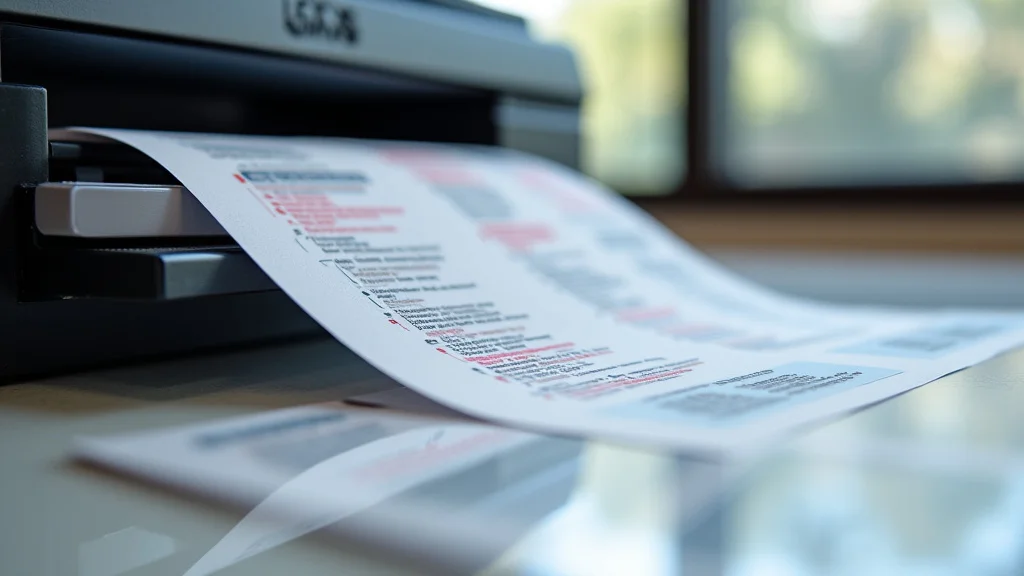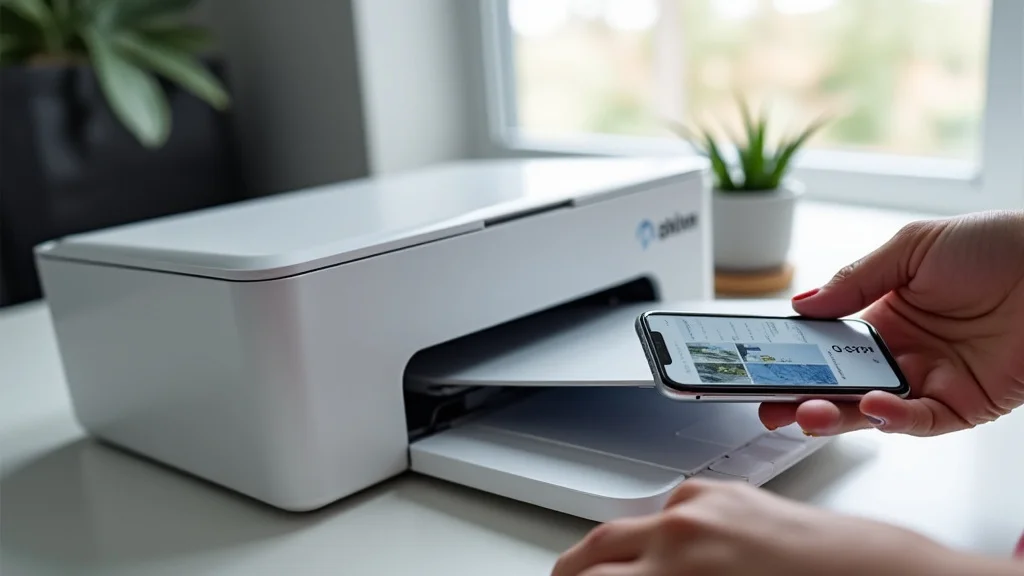
Ever tried to print a document at the last minute, only to find your printer is out of ink, jammed, or just plain refusing to cooperate? We’ve all been there! The printing zone can sometimes feel like a digital jungle. This post will help you take control. You’ll learn essential strategies to optimize your printing zone, from choosing the right equipment to troubleshooting common issues. By the end, you’ll be able to create an efficient and cost-effective printing environment, saving time and frustration. Let’s explore how to make the most of your printing setup.
Key Takeaways
- Discover how to choose the best printer for your needs, from inkjet to laser.
- Learn practical tips for managing ink and toner costs.
- Find out how to troubleshoot common printing problems.
- Explore ways to optimize your printer’s settings for better results.
- Master basic print management techniques for productivity gains.
- Understand the environmental aspects of printing.
Choosing the Right Printer for Your Needs
Selecting the correct printer can significantly impact your workflow and budget. The marketplace offers a wide array of options, each with unique advantages. Consider your typical printing volume, the types of documents you print, and your budget before making a decision. Do you frequently print photos, or is your focus on text documents? Are you a home user, or do you need a printer for a busy office? These questions will guide you toward the perfect choice.
Inkjet Printers: Versatility and Affordability
Inkjet printers are a popular choice for home users and small offices due to their versatility and affordability. They work by spraying tiny droplets of ink onto the paper. These printers are excellent for printing photos and documents with color graphics. Inkjet printers are typically more compact than laser printers and are often less expensive to purchase upfront. However, the cost per page can be higher, especially if you print a lot. Inkjet printers often use individual ink cartridges for each color, so you only need to replace the colors you run out of, which helps reduce waste.
- Photo Quality: Inkjet printers are known for producing high-quality photo prints with vibrant colors and fine detail. This makes them ideal for printing family photos, marketing materials, and other images. The printing quality varies significantly with different printer models. Higher-end models offer superior resolution and color accuracy.
- Cost-Effective for Low Volume: If you print infrequently or in small quantities, inkjet printers can be a cost-effective choice. The initial cost is often lower than laser printers. You can often purchase a good quality inkjet for well under $200. The cost of ink cartridges might be an issue. However, you can save money by printing only when needed.
- Compact Size: Inkjet printers are generally smaller and more compact than their laser counterparts. This makes them ideal for home offices and spaces where desk space is limited. Their smaller footprint allows for greater placement flexibility. You can easily place an inkjet printer on a desk or shelf.
- Variety of Paper Types: Inkjet printers are compatible with a wide variety of paper types, including photo paper, cardstock, and specialty papers. This flexibility allows for a wider array of printing projects, from brochures to invitations. You can experiment with different paper types to achieve the desired results.
For example, you could print a high-resolution photo of a family vacation on a glossy paper to preserve memories.
A student may print essays and occasional assignments on an inkjet printer.
For a small apartment, you can put the printer on a small desk beside your workstation.
You may print invitations on high-quality cardstock.
Laser Printers: Speed and Efficiency for High Volume
Laser printers utilize a laser beam and electrophotographic process to transfer toner onto paper. They are generally faster and more efficient than inkjet printers, especially for high-volume printing. Laser printers are typically best suited for text-heavy documents and offer lower costs per page for large print runs. These printers are a favorite for offices and businesses with substantial printing needs. They provide consistent performance and excellent print quality.
- High Print Speed: Laser printers excel at high-volume printing tasks. They can print many pages per minute, making them ideal for offices and environments where printing speed is important. This enhanced speed streamlines workflow and cuts down on waiting times. The laser printing process is generally faster than the inkjet method.
- Low Cost Per Page: Though the initial cost of a laser printer may be higher than an inkjet, the cost per page is often lower, particularly with high-volume printing. Toner cartridges can print a much larger number of pages than ink cartridges, reducing the cost. This makes laser printers a cost-effective long-term option.
- Excellent Text Quality: Laser printers produce crisp, clear text quality that is unmatched by inkjet printers, making them ideal for reports, business documents, and other text-based materials. The use of toner ensures sharp lines and professional-looking output. This is a very useful feature when you need your documents to look the best.
- Duplex Printing: Many laser printers include the duplex printing feature, which allows them to automatically print on both sides of the paper, saving paper and reducing costs. This feature significantly enhances efficiency, and cuts down on environmental impact. Duplex printing also reduces storage space requirements for printed materials.
In a busy office environment, employees can get important documents more quickly.
A company prints a lot of invoices.
Print a business report to give to investors.
You can automatically print the documents to use for a presentation.
Multifunction Printers: All-in-One Solutions
Multifunction printers (MFPs) combine printing, scanning, copying, and sometimes faxing capabilities in a single device. These printers are a practical choice for offices and home users looking to consolidate their equipment and save space. MFPs come in both inkjet and laser printer models, offering flexibility based on your printing needs. The added functionality can significantly improve productivity by providing a single device for all your document-related needs.
- Space-Saving: MFPs consolidate multiple functions into a single device, reducing the need for separate machines and freeing up desk space. This is a valuable feature in home offices and small business settings. The all-in-one design streamlines your workspace and enhances organization.
- Versatile Functionality: MFPs offer a full array of functions, including printing, scanning, copying, and often faxing, making them a complete solution for document management. This versatility is very convenient for any office. You can easily manage all your document tasks from a single device.
- Cost-Effective: MFPs often represent a cost-effective solution compared to purchasing individual devices. The added features provide increased value for money. This can reduce the total cost of equipment. MFPs offer efficiency without sacrificing any functionality.
- Ease of Use: MFPs are designed with user-friendliness in mind, offering intuitive interfaces and simplified workflows. Modern MFPs are often equipped with touchscreens. This ensures seamless operation for users. The easy-to-use design promotes efficient document management.
Having a single device allows you to keep the office organized.
You can scan a document and also fax it without any need for different devices.
Purchasing an MFP can be significantly less expensive.
Anyone in your office can easily understand how to use the device.
Managing Ink and Toner Costs
Keeping printing costs down is important, whether you are running a business or managing your personal budget. The cost of ink and toner can quickly add up, so it’s essential to understand how to optimize usage and get the most value from your cartridges. There are several effective strategies you can use, from choosing the right cartridges to adjusting printer settings.
Choosing the Right Cartridges
The type of cartridge you use can significantly influence your overall printing costs. Different cartridges offer varying page yields, meaning the number of pages they can print before needing replacement. Consider the frequency of your printing and the volume of documents you print to select the best cartridges. Choosing the right cartridge helps you balance cost and print quality while minimizing waste.
- High-Yield Cartridges: High-yield cartridges contain more ink or toner and can print a larger number of pages compared to standard cartridges. Although they might have a higher upfront cost, they offer a lower cost per page, making them a more cost-effective choice for heavy printing. The total cost is often lower over time.
- Standard Cartridges: Standard cartridges are suitable for occasional printing or smaller print volumes. They are available for both inkjet and laser printers. They are often a better choice if you don’t print very often.
- Original vs. Compatible Cartridges: Original cartridges are manufactured by the printer brand and are designed to work perfectly with the printer. Compatible cartridges are made by third-party manufacturers and can be a cheaper alternative. Make sure to buy compatible cartridges from a reputable source.
Businesses that print many documents often use high-yield cartridges.
Someone who does little printing often prefers these cartridges.
Choose the cartridges carefully according to your printer model.
Optimizing Printer Settings
Adjusting printer settings can significantly impact your ink or toner usage. By modifying settings, you can reduce waste and extend the life of your cartridges. These settings include print quality, color usage, and duplex printing options. Experimenting with different settings can help you find a good balance between print quality and cost efficiency, improving your overall printing costs.
- Draft Mode: Using draft mode or economy mode reduces the amount of ink or toner used per page, making this a useful option for printing documents that do not require high-quality output. These modes often reduce the resolution and color intensity. The change can save ink and toner.
- Grayscale Printing: Printing in grayscale instead of color can save a significant amount of ink. If color is not essential, printing in black and white will help your ink last longer. The grayscale feature removes color usage for certain documents.
- Duplex Printing: Enable duplex printing to print on both sides of the paper. This uses half the paper and reduces printing costs. Duplex printing cuts down on paper consumption, reducing both the cost and environmental impact.
- Font Choice: Select a printer-friendly font. Some fonts, such as those with thinner strokes, use less ink. Research shows that certain fonts, like Century Gothic, can reduce ink consumption. This will improve the readability and appearance of the text.
Use draft mode when printing internal memos or drafts.
Print financial reports in grayscale.
Print an entire report to save paper.
Choose printer-friendly fonts.
Other Cost-Saving Techniques
There are many other ways to control printing costs and reduce waste in the printing zone. Implementing these techniques can lead to long-term savings and a more efficient workflow. Small changes can significantly reduce the overall cost of printing, as well as have a positive impact on the environment.
- Regular Maintenance: Keep your printer clean and well-maintained. A clean printer is more efficient. This will prevent clogs and ensure optimal performance, reducing the need for excessive cleaning cycles that can waste ink.
- Proofreading: Always proofread documents before printing to avoid wasting ink or toner on reprints. This can avoid unnecessary prints. Make sure your documents are perfect before printing them.
- Print Preview: Use the print preview feature to see how your document will look before printing. This can help you catch formatting errors and ensure that you print only what you need. Print preview functionality is a very useful feature.
- Bulk Printing: Print multiple copies of the same document in one batch. This minimizes the number of start-up processes, which can consume extra ink or toner. Printing in batches can also save time.
Clean and maintain your printer regularly.
Check the document before printing.
Use the print preview functionality before printing.
Print multiple copies in one go.
Troubleshooting Common Printing Problems
Printing issues can be frustrating and disrupt your workflow, but most problems have simple solutions. Knowing how to identify and fix common printing problems can save you time and prevent unnecessary expenses. From paper jams to connectivity problems, it’s essential to have a basic set of troubleshooting skills to keep your printer running smoothly.
Paper Jams
Paper jams are a very common printing issue. They occur when the paper gets stuck inside the printer, stopping the print process. Resolving paper jams quickly and correctly can prevent further damage to your printer and minimize downtime. Always handle paper jams with care, following safety guidelines to protect yourself and your equipment.
- Identifying the Jam: Locate the jammed paper, following the instructions in your printer’s manual. The manual will guide you. Identify the location of the paper jam to begin.
- Clearing the Jam: Gently remove the jammed paper, avoiding tearing it, and remove any remaining pieces. This reduces the risk of future jams. Carefully remove the stuck paper pieces.
- Checking Paper Tray: Make sure the paper tray is loaded with the correct type of paper and that the paper guides are correctly adjusted. Paper guides ensure the paper feeds smoothly. The correct alignment is essential for smooth feeding.
- Preventing Jams: Use the correct paper type and weight. Ensure that the paper is dry, and properly stored to avoid moisture-related jams. Keeping the printer clean also prevents paper jams.
Check the printer’s manual.
Carefully remove the paper.
Make sure the paper tray is set up properly.
Use the correct type of paper for your printer.
Connectivity Issues
Connectivity problems can prevent your printer from communicating with your device, leading to printing errors. Several factors can cause these issues, including incorrect network settings, outdated drivers, and physical connection problems. Knowing how to fix these problems will ensure a continuous workflow.
- Check Connections: Make sure the printer is correctly connected to your computer or network via USB or Wi-Fi. A loose cable or incorrect Wi-Fi configuration can cause connectivity issues. Check the physical connections.
- Restart Devices: Restarting your printer, computer, and router can often resolve temporary connectivity problems. Restarting refreshes the device settings. This process helps resolve issues.
- Update Drivers: Ensure that your printer drivers are up to date. Outdated drivers can cause compatibility issues and prevent the printer from functioning correctly. Updating the drivers fixes any compatibility issues.
- Network Settings: For Wi-Fi printers, check the network settings and ensure that the printer is connected to the same network as your computer. An incorrect network configuration is the main cause. Make sure both devices are on the same network.
Check the USB cable.
Restart your devices.
Update the printer drivers.
Confirm the Wi-Fi settings.
Print Quality Problems
Poor print quality can range from faded text to streaked images, affecting the professional appearance of your documents. Many factors can contribute to these issues, including low ink or toner levels, clogged print heads, and incorrect printer settings. Addressing these issues will help your printer produce sharp, vibrant prints.
- Ink/Toner Levels: Check the ink or toner levels in your printer. Empty or low cartridges often result in faded or incomplete prints. Replace low or empty cartridges.
- Print Head Cleaning: Run a print head cleaning cycle if your inkjet printer has streaks or lines. The print head cleaning removes clogs. The printer’s settings have the print head cleaning cycle.
- Calibration: Calibrate your printer to ensure accurate color reproduction. Calibration is an essential setting. The calibration setting ensures correct color output.
- Paper Quality: Use the correct paper type for your printing needs. Using incorrect paper can affect print quality. Use high-quality paper.
Replace the cartridge.
Run the print head cleaning cycle.
Make sure your printer is calibrated.
Use the right paper for your printer.
Optimizing Printer Settings for Better Results
Adjusting your printer settings can significantly improve print quality, reduce waste, and streamline your workflow. It is important to explore the settings available for your printer, including resolution, color settings, and paper type. By mastering these settings, you can produce professional-quality documents while conserving resources.
Resolution and Print Quality
Resolution, measured in dots per inch (DPI), affects the sharpness and detail of your prints. Higher DPI settings provide better print quality, but they can also use more ink or toner and increase printing time. Choosing the right resolution setting is important to balance quality and efficiency, allowing you to fine-tune your printing results. Optimizing the resolution setting is very important.
- Understanding DPI: DPI (dots per inch) is a measure of print resolution. Higher DPI values provide more detail and sharper images. This setting influences print clarity.
- Adjusting Resolution: Select the right resolution setting for your needs. For text documents, a lower DPI setting is often adequate. Higher DPI is recommended for photos and graphics. Select the resolution settings for specific tasks.
- Print Quality Settings: Explore the print quality settings, such as “Draft,” “Normal,” and “Best,” to balance quality and speed. These options affect ink or toner usage and print time. Experiment with different settings to find your preference.
- Color Settings: Adjust your color settings to optimize color accuracy and vibrancy. Select different color profiles. These include sRGB, Adobe RGB, etc., to match the color requirements of your print.
Higher DPI is better.
Adjust your settings.
Use the best setting for your project.
Check the color settings of your printer.
Paper Type and Size
The type and size of paper you use can significantly impact your print quality and the usability of your documents. Different paper types are designed for various purposes, from plain paper for text documents to glossy paper for photos. You should choose the paper that aligns with the desired outcome of the prints. The size should match the intended document. Selecting the correct paper is a very important part of the printing zone.
- Paper Types: Choose the correct paper type for your printing job. Use plain paper for text documents, photo paper for photos, and specialty paper for brochures and marketing materials. Each paper type has a specific use.
- Paper Size: Select the correct paper size, such as letter, legal, A4, or custom sizes, to match your documents’ formatting. The right size prevents the image from being cut off. The correct size makes your documents more accessible.
- Paper Weight: Consider the weight of the paper, as it affects the look and feel of your documents. Heavier paper is appropriate for professional documents and marketing materials. The right weight will produce higher-quality prints.
- Paper Storage: Store paper in a dry place to prevent moisture damage. Moisture can cause the paper to warp and affect print quality. Keep paper stored properly.
Use the right paper for each print.
Select the correct size for your needs.
Choose the correct paper weight.
Store the paper in a dry place.
Color Management
Color management is essential for ensuring accurate color reproduction in your prints. It involves calibrating your printer, monitor, and other devices to produce consistent color results. Using color profiles and adjusting color settings can help to match the colors on your screen. This helps the printed output.
- Color Profiles: Use color profiles (sRGB, Adobe RGB) to match your prints to your monitor’s display. Color profiles are important in accurate color reproduction. Match the profiles for the best results.
- Printer Calibration: Calibrate your printer using its built-in tools or third-party software to ensure accurate color output. Printer calibration enhances the quality. Calibration ensures accurate results.
- Color Settings: Adjust color settings, such as brightness, contrast, and saturation, to optimize the color output of your prints. Experiment with color settings to find what works for you.
- Color Matching: Use color-matching tools and software to ensure your prints match the colors on your screen as closely as possible. Color matching makes it easy to match the prints to the image. This technique will ensure accuracy.
Use color profiles for the best results.
Calibrate your printer for better color.
Adjust your color settings.
Use color matching for the best output.
Basic Print Management Techniques for Productivity
Improving print management can boost your overall productivity and cut down on waste. Efficient document management and organizing your printing tasks will ensure that printing is not a time-consuming chore. Implementing these techniques will help keep your workflow smooth and efficient. It will also help with organizational tasks.
Document Management
Document management involves organizing and managing your documents to ensure efficient printing and easy access. This includes organizing files, using templates, and practicing good filing systems. These simple steps can save time. You will be able to retrieve what you need quickly, improving productivity.
- Organize Files: Create a well-organized file system for your documents, using folders and clear naming conventions. Organizing the files helps you find them later. This enhances productivity.
- Use Templates: Use templates for frequently printed documents, such as letters, reports, or invoices, to save time and ensure consistency. Templates will enhance productivity and quality. Use the templates available.
- Print Preview: Always use the print preview feature to check the layout and formatting of your documents before printing. Doing this will prevent you from wasting ink or paper.
- Document Storage: Implement a system for storing printed documents, such as filing cabinets or digital storage. This makes it easier to find documents later. This organization system keeps documents well organized.
Organize your documents properly.
Use templates for consistency.
Check the preview first.
Create a filing system.
Print Queue Management
Managing the print queue involves controlling the order in which documents are printed and addressing any printing errors or delays. This process helps ensure that you can keep printing without interruptions. Managing the print queue properly will result in smooth printing.
- Monitor the Queue: Regularly check your print queue to make sure documents are printing in the correct order and without errors. Check the queue regularly for errors. You can resolve the errors.
- Cancel or Reprioritize: If a document is taking too long to print or has an error, you can cancel it or reprioritize other print jobs. Reorganize the print queue for priority documents. Manage your printing tasks effectively.
- Troubleshooting: Address any printing errors or delays quickly by troubleshooting the problem or contacting technical support. Identify and resolve errors immediately. Address errors quickly.
- Batch Printing: Print multiple documents at once to save time and reduce the number of start-up processes that can waste ink or toner. Batch print when possible to save time. Batch printing will save resources.
Check the printing queue.
Reprioritize printing tasks.
Troubleshoot printing problems immediately.
Print in batches for better efficiency.
Automation and Software
Using automation tools and print management software can simplify your workflow and enhance productivity in the printing zone. This software automates repetitive tasks. It also improves document organization. These tools streamline printing.
- Print Drivers: Always use the latest print drivers to ensure compatibility and optimal performance. Update the drivers to make sure they are compatible. Update the drivers for the best results.
- Print Management Software: Explore print management software to track printing usage, manage print quotas, and control costs. Use the software for a better workflow. There are many advantages in using the software.
- Automation Tools: Use automation tools to streamline your printing processes, such as scripts or macros for repetitive tasks. Using automation will cut down on work. Automating will make the printing process much faster.
- Cloud Printing: Consider cloud printing options for remote access and easier printing from various devices. Cloud printing is convenient for the modern workplace. Use cloud printing to simplify printing.
Make sure you have the newest print drivers.
Use print management software.
Use automation tools.
Consider cloud printing options.
Common Myths Debunked
Myth 1: Laser printers are always more expensive than inkjet printers.
Reality: While laser printers often have a higher initial cost, they can be more cost-effective for high-volume printing. The cost per page with toner can be lower than with ink cartridges over time. The choice depends on your printing needs.
Myth 2: All compatible toner cartridges are low quality.
Reality: Not all compatible toner cartridges are low quality. Many third-party manufacturers produce high-quality cartridges that perform well. Make sure you buy from a reputable vendor. The quality of compatible cartridges varies. Selecting a good brand is important.
Myth 3: Color printing always requires color cartridges.
Reality: Many printers allow you to print in black and white even if you have color cartridges installed. You can save ink or toner by changing the print settings. Always adjust the settings as needed.
Myth 4: You can always use any paper type in your printer.
Reality: Using the incorrect paper type can result in paper jams, poor print quality, and can even damage your printer. Each printer has specific paper requirements, so it’s critical to check the documentation. Make sure to use the proper paper.
Myth 5: Cleaning cycles are a waste of ink.
Reality: While cleaning cycles do use some ink, they are important to maintain print quality. They remove clogs from the print heads. This action ensures that you receive the best output. Regular cleaning keeps the printer in good working order.
Frequently Asked Questions
Question: How often should I clean my printer?
Answer: Clean your printer regularly, typically every month or as needed. This helps prevent clogs and ensures optimal print quality.
Question: Can I use generic toner cartridges in my printer?
Answer: Yes, but make sure to choose cartridges from a reliable source to guarantee quality and printer compatibility.
Question: How do I fix a paper jam?
Answer: Carefully remove the jammed paper, following your printer’s manual instructions. Ensure you remove all paper fragments.
Question: Why are my prints streaked or faded?
Answer: This can be due to low ink or toner levels, clogged print heads, or the wrong printer settings. Try replacing the cartridge and running a cleaning cycle.
Question: How can I save ink when printing?
Answer: Use draft mode, print in grayscale when color is not needed, and enable duplex printing to print on both sides of the paper.
Final Thoughts
Mastering your printing zone is key to achieving a smoother and more efficient workflow. From selecting the appropriate printer to understanding paper types and optimizing your printer settings, there are many steps you can take to make the most of your printing setup. You can start by assessing your printing needs and making smart choices about your equipment. Remember to maintain your printer regularly and troubleshoot issues quickly. Furthermore, focus on managing ink and toner costs, choosing the right settings, and using document management techniques. These small steps will have a huge impact. By following these suggestions, you’ll be well-prepared to improve your productivity and manage your documents more effectively. Start today, and transform your printing zone into a hassle-free, productive space!