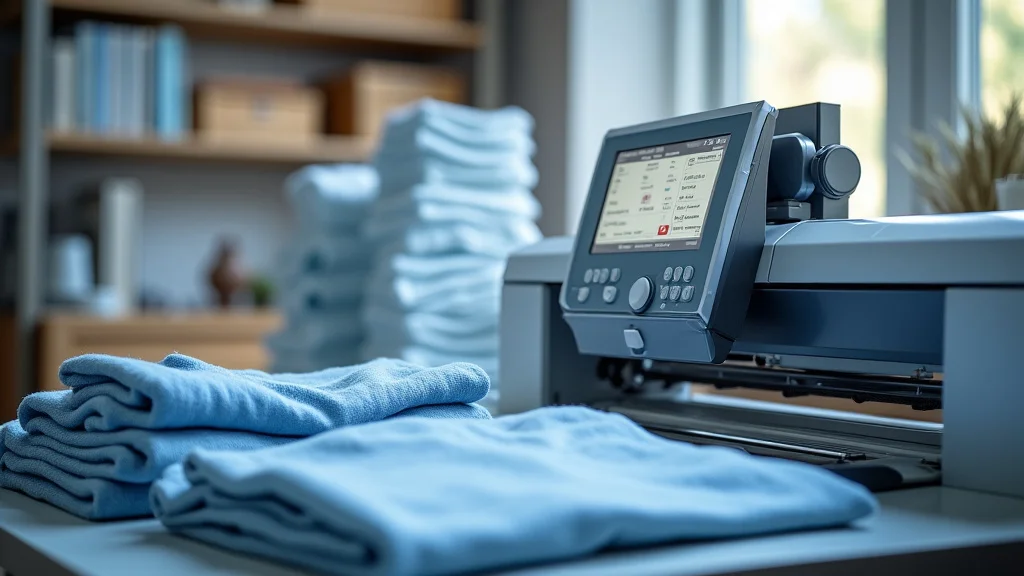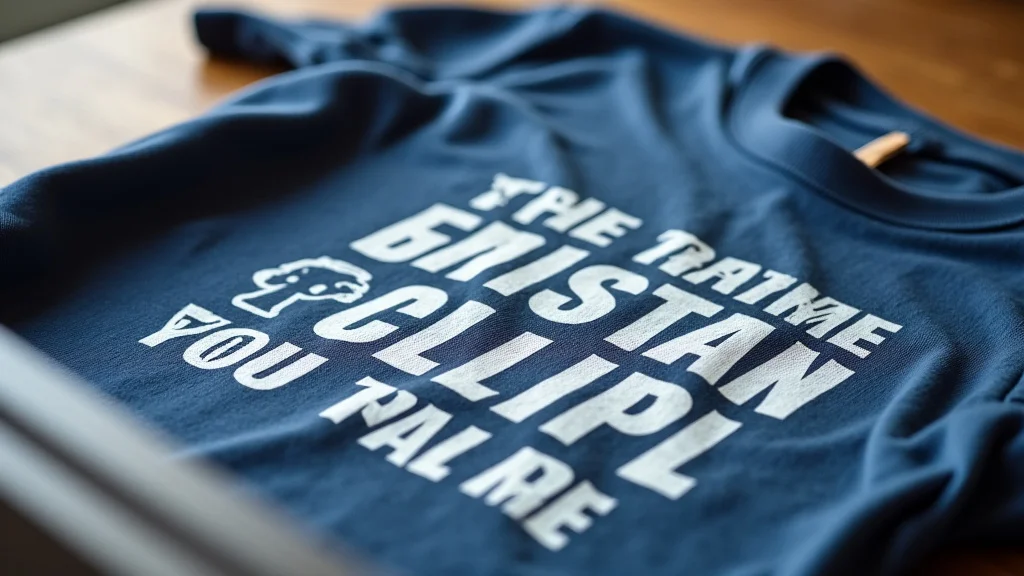
Remember that band shirt you loved in high school? Or that funny meme you thought would be perfect on a tee? Well, printing your own t shirts is more accessible and affordable than ever. Forget expensive custom shops or settling for generic designs. This guide will walk you through the entire process, empowering you to create unique apparel, whether it’s for personal use, a small business, or a fun project. You’ll learn the steps, explore the tools, and discover the creative possibilities, setting you on your way to designing your own wearable art. This post offers practical tips and insights, increasing your knowledge and inspiring your creativity.
Key Takeaways
- Learn the different methods for printing your own t shirts, including pros and cons.
- Discover the essential materials and equipment needed for each printing technique.
- Explore design considerations, such as image resolution, color palettes, and file formats.
- Understand the importance of fabric selection and its impact on print quality and durability.
- Gain valuable tips on pricing your custom shirts if you plan to sell them.
- Find resources and guides for further learning and inspiration.
Choosing the Right Printing Method
The first step in printing your own t shirts is selecting the appropriate printing technique. Several options are available, each with its advantages and disadvantages. These methods vary in cost, complexity, and the types of designs they are best suited for. Your choice will depend on factors like the number of shirts you want to print, the complexity of your designs, and your budget.
Heat Transfer Printing
Heat transfer printing, often called iron-on transfer, is one of the easiest and most accessible methods for beginners. It involves printing your design onto special transfer paper using a standard inkjet or laser printer. The transfer paper is then placed on the fabric and adhered using a heat press or even a household iron. This technique is excellent for small quantities and simple designs, making it perfect for personal projects and one-off creations. It’s also relatively inexpensive to get started.
- Pros: Low initial cost, easy to set up and use, suitable for small quantities, and allows for full-color designs.
- Cons: Can have a less durable finish compared to other methods, may feel slightly stiff, and designs might crack or peel over time.
- Materials: Heat transfer paper, inkjet or laser printer, heat press or iron, and plain t-shirts.
- Considerations: The quality of the heat transfer paper and the temperature used during the process impact the final result. Using a heat press gives more consistent results than an iron.
Direct-to-Garment (DTG) Printing
DTG printing uses a specialized inkjet printer to print directly onto the fabric of the t-shirt. This method is similar to printing on paper but allows for more intricate designs and a wider range of colors. DTG printing produces high-quality results, making it ideal for detailed designs, photographs, and complex artwork. It’s often used for custom apparel and print-on-demand services. The investment in equipment is higher than heat transfer, but it offers professional results.
- Pros: High-quality prints, suitable for intricate designs and full-color images, offers a soft feel, and allows for printing on demand without minimum order quantities.
- Cons: Higher initial cost for equipment, requires specific maintenance, and is often more suitable for cotton fabrics.
- Materials: DTG printer, pretreatment solution, inks, and blank t-shirts.
- Considerations: Pretreatment is often needed for optimal print quality. The type of ink used can impact the washability and durability of the print.
Screen Printing
Screen printing is a traditional method, and the process involves using stencils (screens) to apply ink onto fabric. Each color in your design requires a separate screen. This method is ideal for producing large quantities of shirts with the same design. It’s a cost-effective option for bulk orders. Setting up the screens can be time-consuming, and it’s less efficient for complex, multi-colored designs or small batches. Screen printing delivers durable and vibrant prints.
- Pros: Produces high-quality, durable prints, cost-effective for large quantities, and offers a wide range of ink colors and effects.
- Cons: Higher initial setup costs, not suitable for small runs or complex designs with many colors, and requires more space and equipment.
- Materials: Screens, emulsion, squeegee, ink, and a screen-printing press.
- Considerations: Designs with fewer colors are more cost-effective. Proper registration is critical to aligning the different colors accurately.
Essential Materials and Equipment
Once you’ve chosen your printing method, gather the necessary materials and equipment. The specific needs will vary, but there are some common elements. Setting up your workspace is important to keep the process organized and to prevent any accidents. Consider the size of the printing area, lighting, and ventilation.
Equipment
The equipment you need depends on your chosen method. For heat transfer, you’ll need an inkjet or laser printer, transfer paper, and either a heat press or a household iron. DTG printing requires a specialized DTG printer and the necessary pretreatment equipment. Screen printing requires screens, a screen-printing press, a squeegee, and other supplies. Invest in quality equipment to achieve the best results.
- Heat Press: Offers consistent heat and pressure for heat transfer, essential for a professional finish.
- Screen-Printing Press: Holds screens securely and allows for precise ink application.
- DTG Printer: A specialized printer that sprays ink directly onto the fabric.
- Inks: Choose the appropriate ink type for your chosen printing method and fabric.
- Squeegee: Used in screen printing to spread ink across the screen.
Supplies
Beyond the core equipment, there are several supplies you’ll also need. These include blank t-shirts, various types of ink, transfer paper, cleaning supplies, and masking materials. Quality supplies ensure better prints and long-lasting designs. Make sure you have adequate storage space for all your supplies to keep your workspace organized.
- Blank T-shirts: Choose high-quality shirts in your desired styles, colors, and sizes.
- Transfer Paper: Different types of transfer paper are available for various fabric types and printer types.
- Pretreatment Solution: Used to prepare the fabric for DTG printing, improving ink adhesion.
- Cleaning Supplies: Essential for maintaining your equipment and workspace.
- Masking Tape: Helps create crisp edges and protect the printing area.
Design and File Preparation
Preparing your design is an important step when you are printing your own t shirts. The quality of your design will greatly influence the final outcome of your printed t-shirts. Several factors must be considered, including resolution, color mode, and file format. Creating your design accurately ensures great prints.
Design Software
You can use many graphic design software options, from free online tools to professional programs like Adobe Photoshop or Illustrator. The choice depends on your design skills and the complexity of your designs. For simple designs, free online options may suffice. For more intricate projects, professional software offers greater functionality.
- Adobe Photoshop: Excellent for editing and manipulating raster-based images, like photographs.
- Adobe Illustrator: Ideal for creating vector-based graphics, scalable without quality loss.
- Canva: A user-friendly, web-based tool with many templates and design elements, suitable for beginners.
- GIMP: A free, open-source image editor with many features similar to Photoshop.
- Inkscape: A free, open-source vector graphics editor, similar to Illustrator.
File Format and Resolution
Choose the correct file format and ensure your design has adequate resolution. Vector graphics, like those created in Illustrator, are ideal because they can be scaled to any size without losing quality. If you are using raster images, such as photos, ensure they are high resolution (300 DPI or higher) to avoid pixelation. Choosing the right format ensures a professional print.
- Vector Files: Use for logos and illustrations, as they can be scaled without quality loss. Common formats include SVG, EPS, and AI.
- Raster Files: Use for photographs and complex images. Make sure the resolution is high enough. Common formats include PNG and JPG.
- Resolution: Aim for at least 300 DPI for raster images to ensure sharp prints.
- Color Mode: Use RGB for on-screen designs and CMYK for designs intended for print to ensure the correct color output.
Design Tips
Consider the placement of your design on the t-shirt, and take into account the size and color scheme. A well-designed t-shirt can communicate your brand, tell a story, or express your personality. Proper placement enhances the visual impact of your design. Always test your design with a small sample before printing a large batch.
- Placement: Consider the standard placement areas, such as the center chest, left chest, or back.
- Size: Adjust the size of your design according to the shirt size and desired impact.
- Color Palette: Choose colors that complement the shirt color. Use a limited number of colors for simpler printing.
- Test Prints: Always test your design on a sample t-shirt or scrap fabric before printing your final batch.
Fabric Selection and Quality
The type of fabric will directly influence the final look, feel, and durability of your printed t-shirts. The right fabric will ensure long-lasting prints and happy customers. Consider the weight, weave, and composition of the fabric to achieve the desired results. Understanding fabric properties is key for quality printing your own t shirts.
Common Fabric Types
Cotton is a popular choice for t-shirts due to its breathability, softness, and ease of printing. Polyester is another option, providing durability and wrinkle resistance. Blends of cotton and polyester are also very popular, offering a balance of properties from both fabrics. The selection influences the feel and print quality.
- 100% Cotton: Offers a soft feel, good printability, and breathability, often the best option for DTG printing.
- Polyester: Provides durability, wrinkle resistance, and moisture-wicking properties, often used in performance wear.
- Cotton-Polyester Blends: Offers a balance of softness, durability, and printability, a versatile choice.
- Tri-Blends: Combinations of cotton, polyester, and rayon offer a unique drape and softer feel.
- Fabric Weight: Heavier fabrics feel more durable, while lighter fabrics are often more breathable.
Fabric Considerations
The fabric will affect how the ink adheres, the feel of the print, and how long the shirt will last. The color of the fabric also impacts the look of your design. Darker fabrics may require a white underbase for DTG printing to make the colors appear vibrant. Considering these aspects will improve your final product. Take into account any special treatments on the fabric.
- Print Adhesion: Some fabrics may require pretreatment for optimal ink adhesion, especially for DTG printing.
- Color: The color of the fabric impacts how the design appears, so consider how your design colors will look on different fabric shades.
- Texture: The fabric’s texture influences the feel of the print. Smooth fabrics often produce the best results.
- Durability: Choose fabrics that will withstand washing and wear, especially if you plan to sell your shirts.
- Special Treatments: Some fabrics may have special treatments that can affect print quality.
Pricing Your Custom Shirts
If you’re planning to sell the t-shirts you make, setting the right price is important. This involves calculating your costs, considering market trends, and determining your desired profit margin. Setting a competitive price is important for success in the market. Understanding these aspects will help you price your shirts correctly.
Cost Calculation
You must know all your costs. These include the cost of the t-shirt blank, the cost of ink and transfer paper, and any equipment expenses. Be sure to include your time and labor, plus any additional expenses, such as design software or marketing. Accurate cost calculations ensure your pricing is correct.
- Blank T-shirt Cost: Determine the cost per shirt based on the style, fabric, and quantity purchased.
- Ink and Supplies: Calculate the cost of the ink, transfer paper, or other supplies used for each shirt.
- Labor Costs: Estimate the time you spend on each shirt and assign an hourly rate or a per-shirt labor cost.
- Overhead: Factor in any additional costs, like electricity, rent, or software subscriptions.
- Consider Bulk Discounts: Determine how the price changes with larger order quantities.
Pricing Strategies
There are several approaches to setting prices. Consider the prices of competitors selling similar products. Adjust your prices to match or beat theirs. Evaluate how much customers are willing to pay for your designs. Consider factors like the quality of your shirts and the uniqueness of your designs. There are various ways to establish the correct price for your products.
- Cost-Plus Pricing: Add a desired profit margin to your total costs.
- Value-Based Pricing: Set a price based on the perceived value of your shirts.
- Competitive Pricing: Research the prices of similar shirts and set your price accordingly.
- Bundling: Offer discounts for purchasing multiple shirts or a set of products.
- Promotional Pricing: Use sales and special offers to attract customers.
According to a recent report, the custom apparel market is growing. A study by Grand View Research shows that the global custom t-shirt market was valued at USD 3.67 billion in 2022 and is expected to expand at a compound annual growth rate (CAGR) of 9.7% from 2023 to 2030. This growth is driven by increasing demand for personalized products and the ease of online ordering.
Finding Resources and Inspiration
Several resources are available to help you learn more about printing your own t shirts, find inspiration for your designs, and connect with other creators. Online communities, tutorials, and design marketplaces are very useful. Take advantage of these resources to improve your skills. They are helpful for your creative journey.
Online Resources
The internet offers tutorials, forums, and blogs about all aspects of t-shirt printing. YouTube is also home to many video tutorials demonstrating various printing techniques. You can find detailed instructions and tips for designing and printing shirts. Learn new ideas to develop your skills.
- YouTube Tutorials: Numerous channels provide step-by-step guides to printing techniques and design.
- Online Forums: Participate in online forums dedicated to screen printing, DTG printing, and heat transfer techniques.
- Design Marketplaces: Explore marketplaces like Etsy and Redbubble for design inspiration.
- Manufacturer Guides: Many manufacturers offer guides and tutorials on using their equipment and supplies.
- Blogs and Websites: Search blogs and websites specializing in custom apparel and design.
Inspiration and Design Ideas
Look to various sources for design inspiration, including fashion trends, social media, and art. Study the work of other designers. Experiment with different styles and themes. You can combine these elements to develop unique designs. Remember, design inspiration is all around you.
- Social Media: Use platforms like Instagram and Pinterest to find design ideas and inspiration.
- Fashion Trends: Stay updated on current fashion trends to inform your design choices.
- Art and Design: Explore art, graphic design, and illustration for visual inspiration.
- Everyday Life: Look to everyday life and surroundings for design ideas.
- Collaboration: Work with other designers to develop new ideas and learn different techniques.
An interesting statistic highlights the impact of personalized products. According to a study by Deloitte, 36% of consumers are interested in purchasing personalized products, and 25% of consumers are willing to pay a premium for personalized products. This indicates a growing market for custom apparel and a potential for success in the printing your own t shirts market.
Common Myths Debunked
Myth 1: You Need Expensive Equipment to Start
The reality is, that while professional results require professional tools, you can get started with heat transfer methods with a relatively low initial investment. A standard inkjet printer, transfer paper, and a household iron are enough to get you going. As you develop your skills and expand your needs, you can move to more expensive equipment like heat presses and DTG printers.
Myth 2: Screen Printing is Always the Best Option
Screen printing is great for large quantities and simple designs, but it is not always the best. It requires more setup, which makes it less cost-effective for small batches or complex designs with many colors. DTG printing is better for intricate designs and on-demand printing. Each method has a niche and advantages depending on the project.
Myth 3: You Can Print on Any Fabric
While the concept may seem simple, not all fabrics are suitable for printing. Certain fabrics, especially those with textured surfaces or specific treatments, may not hold ink well or produce a print of poor quality. Cotton, polyester, and blends are generally ideal choices, but always test on a sample first.
Myth 4: Designs Always Last Forever
Even with the best techniques, the durability of a design depends on several factors, including the printing method, the type of ink, the fabric, and the care instructions. To extend the life of your designs, follow the care instructions, such as washing inside out and using cold water.
Myth 5: It’s Impossible to Make Money
It is possible to turn printing your own t shirts into a side hustle or a business. The profit potential depends on several elements, including your design skills, the quality of your prints, and your ability to market your products. With the right strategies, you can build a successful business, whether online or locally.
Frequently Asked Questions
Question: What is the best printing method for beginners?
Answer: Heat transfer printing is ideal for beginners due to its simplicity and low initial cost.
Question: What software should I use to design my t-shirts?
Answer: For beginners, Canva is an easy-to-use option, while Adobe Photoshop or Illustrator is suitable for more complex designs.
Question: What is the best fabric for t-shirt printing?
Answer: 100% cotton is a popular choice, providing a soft feel and good printability. Blends of cotton and polyester are also versatile options.
Question: How do I calculate the cost of my t-shirts?
Answer: Add the cost of the blank t-shirt, ink, supplies, labor, and overhead to determine your total cost.
Question: How can I find inspiration for my t-shirt designs?
Answer: Look to social media, fashion trends, art, and everyday life for design ideas and inspiration.
Final Thoughts
Printing your own t shirts can open doors to a world of creativity and self-expression. By understanding the different printing methods, materials, and design considerations, you can transform your ideas into wearable art. You have the tools and knowledge to create unique, personalized apparel, whether for personal use or to start a custom t-shirt business. Do not be afraid to experiment, learn, and grow your skills. You are now equipped to take the first step in creating your own unique and high-quality printed apparel. You are ready to start printing your own designs, and turn your visions into tangible creations. Embrace the journey and enjoy the process of bringing your designs to life, one shirt at a time.