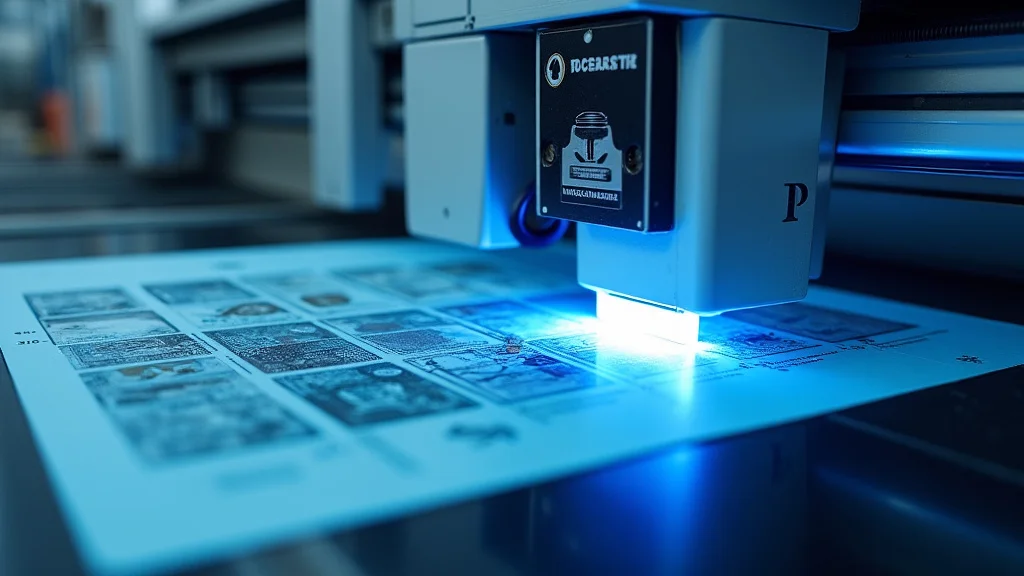
Ever wonder how your favorite book, the vibrant poster on your wall, or even the packaging for your snack food comes to life? It’s all thanks to the fascinating field of printing engineering! Imagine the intricate dance of ink, paper, and machines working together to create the visuals we see every day. This post will explore the core aspects of printing engineering, giving you a detailed look into the science and technology behind it. You’ll learn about the different printing methods, the materials involved, and how innovations are shaping the future of this exciting field. Prepare to gain a new appreciation for the printed world around you, and get a better appreciation for the entire process, including the intricacies that make it work seamlessly.
Key Takeaways
- Explore various printing technologies from traditional methods to modern digital ones.
- Discover the materials and components that are essential in the printing process.
- Understand the principles of color management and its importance in printing quality.
- Learn about the innovative technologies and their impact on the printing engineering field.
- Examine the environmental aspects and sustainability efforts in printing.
- Get a glimpse of the job opportunities and career paths in this specialized area.
Overview of Printing Engineering
Printing engineering is more than just about pushing a button; it’s a multi-faceted discipline that combines engineering principles with artistic design and chemical processes. It encompasses a wide array of activities, from designing the printing process to operating and maintaining the equipment. Engineers in this field are crucial in ensuring high-quality, efficient, and cost-effective printing solutions. These individuals handle everything from selecting the right printing method for a specific project to ensuring that the final product meets the required standards. The scope is wide, covering everything from the smallest label to large-scale commercial projects.
The Core Principles of Printing Engineering
At its heart, printing engineering deals with the science of transferring images and text onto a variety of substrates, like paper, plastics, and textiles. This transfer requires a deep knowledge of several key areas. Fluid dynamics are essential for understanding how ink flows and spreads. Materials science is needed to know how different materials react with inks and the printing process. Mechanical engineering principles are vital for designing and maintaining printing machines. These core principles work in harmony to achieve the desired result, whether it’s a photograph in a magazine or a package design on a product you find in a store.
- Fluid Dynamics: Fluid dynamics are essential for the printing engineering process, as they define how ink behaves. Engineers need to consider viscosity, surface tension, and the flow of ink through nozzles, onto plates, and onto the substrate. Understanding these aspects helps control the image’s quality, avoid issues like smudging or uneven ink distribution, and ensure that the final result is sharp and precise. Proper ink flow is key to the efficiency and effectiveness of the printing process.
- Materials Science: Materials science is essential for printing engineering, as it focuses on the properties of different materials used in printing. Engineers must know how various substrates, like paper, plastic, and fabric, interact with inks. This includes understanding absorption rates, surface properties, and chemical reactions between the ink and substrate. The correct selection of materials directly impacts the quality, durability, and visual appeal of the printed product.
- Mechanical Engineering: Mechanical engineering plays a vital role in the design and operation of printing machines. Engineers use this discipline to develop and maintain the complex machinery involved in printing, from rollers and presses to digital printers. This involves designing mechanisms for moving the substrate, controlling ink flow, and ensuring the precision required for high-quality printing. Proper machine design and maintenance help to maximize efficiency and reduce downtime.
- Chemical Engineering: Chemical engineering in printing engineering focuses on the interaction between ink and substrates. This includes the formulation of ink, the chemical reactions that happen during printing, and the effect of environmental factors on print quality. Engineers must carefully create the ink, keeping factors such as drying time, color stability, and environmental impact in mind. This impacts the quality of print and how it performs.
Methods and Technologies in Printing
The field of printing engineering uses a variety of methods and technologies, each designed for particular applications and needs. Each method offers unique advantages, whether it is speed, cost, or quality. From traditional methods that have been refined over decades to the latest digital innovations, the variety within printing offers engineers the flexibility to make the best choice. This adaptability is vital in meeting the constantly changing demands of the market.
Traditional Printing Techniques
Traditional printing techniques have been around for many years and have contributed to the wide availability of printed materials. These methods use mechanical processes to apply ink to a surface. These traditional methods are still frequently used due to their cost-effectiveness and their ability to handle large print runs. These printing methods laid the groundwork for modern printing engineering, and their ongoing refinements are a testament to their lasting relevance.
- Offset Lithography: Offset lithography is a widely used method that involves transferring ink from a plate to a rubber blanket and then onto the printing surface. This indirect method allows for high-quality, mass production of images and text. Offset printing is known for its versatility and is often used for books, magazines, and newspapers because it can handle a wide array of paper types and achieve high levels of detail.
- Flexography: Flexography uses flexible, raised plates to transfer ink onto the substrate. This method is particularly well-suited for printing on various materials, including plastics and packaging materials. Flexography’s ability to handle different surfaces makes it a favorite for product packaging and labels. Its capacity to print with fast turnaround times and at high speeds makes it ideal for large print volumes.
- Gravure Printing: Gravure printing uses a cylinder with recessed cells that hold ink, which is transferred directly to the substrate. Gravure is known for its ability to produce high-quality prints with accurate color and fine detail. Because of its precision, gravure is frequently used for high-volume jobs such as magazines and catalogs. The method is known for producing consistent and attractive results.
- Screen Printing: Screen printing forces ink through a stencil onto the printing surface. This method is versatile, and it can print on a wide range of materials and shapes, like clothing, glass, and textiles. Screen printing is known for its ability to produce thick, durable ink layers. It’s often used for specialized applications where high durability and vibrant colors are needed.
Digital Printing Advancements
Digital printing has transformed the printing engineering landscape, offering increased flexibility and customization. Digital methods use digital files to directly transfer images onto various media, eliminating the need for printing plates. This allows for quick setup times, and on-demand printing, making them suitable for shorter print runs and personalized content. Digital printing’s ability to quickly produce items and customize them, such as variable data printing, opens up opportunities for efficiency and product creation.
- Inkjet Printing: Inkjet printing creates images by spraying tiny droplets of ink onto the substrate. This process allows for great detail, making it suitable for high-resolution images and photos. Inkjet printers are used in homes and businesses for printing documents and photos. High-end inkjet printers are used in commercial applications.
- Laser Printing: Laser printing uses a laser to create an electrostatic image on a drum. Toner is then used to adhere to the image and transferred onto the paper, and then heated to fuse. Laser printing is fast and efficient, making it a favorite for high-volume text-based printing. Laser printers are frequently used in offices and commercial settings.
- 3D Printing: 3D printing is a revolutionary technique that creates three-dimensional objects by adding layers of material based on a digital design. This technology is being used in printing engineering to create prototypes, customized parts, and even complete products. 3D printing is changing the way we make items and is expanding the options for design and production.
Materials and Components Used in Printing
The materials and components utilized in printing engineering are just as essential as the printing methods. The final product’s quality, durability, and aesthetics are affected by the selection of inks, papers, and other substrates. Additionally, the machinery itself consists of complex components, each designed for precision and effectiveness. A strong grasp of these materials and components is essential for the printing engineering professional.
Substrates and Their Properties
The substrate, or material receiving the ink, is an essential element in the printing engineering process. Different substrates have different properties that affect the quality and characteristics of the print. The correct substrate choice guarantees the best results, whether for print quality or print durability. Every substrate has unique qualities that influence the final product.
- Paper: Paper is a common substrate that comes in many different grades, like coated, uncoated, and specialty papers. The finish, weight, and texture of the paper affect how the ink appears and the print’s overall feel. Coated paper offers a smooth surface that gives the printed image sharper details. The variety of paper options offers a wide range of creative and practical purposes.
- Plastics: Plastics are used in printing for packaging, signage, and other products, offering durability and water resistance. The kind of plastic determines how well ink adheres and the final print’s properties. Plastics, like vinyl, polyester, and polypropylene, require specific inks and treatments to make the ink adhere. These offer durability and versatility.
- Textiles: Printing on textiles is used for clothing, banners, and home decor, and it requires specialized inks that can bond with the fabric and hold up to wear and cleaning. The substrate’s composition and weave greatly impact the final print. The use of specialized inks allows designs to be printed onto a large variety of fabrics.
- Metals: Metal printing is employed for products such as cans and promotional items, needing inks that bond strongly to metal surfaces and endure harsh environments. This typically involves special coatings and treatments to improve ink adhesion and ensure durability. The process is used for applications needing strength and resilience.
Inks and Their Formulations
Inks are the colorants that transfer images onto the substrate, and the ink’s composition is a crucial factor in the printing process. Different types of inks are used in the process to meet specific needs. They are carefully designed to deliver the best possible results. These special blends affect color, drying time, and adherence. The formulation of ink is a precise science, impacting the final product’s quality and performance.
- Solvent-Based Inks: Solvent-based inks dry by evaporation of solvents, making them suitable for various substrates. They are known for their strong adhesion and durability. They are commonly used for outdoor signage and packaging materials that require durability. The solvents can be modified to meet environmental regulations.
- Water-Based Inks: Water-based inks utilize water as a carrier. They are known for their low environmental impact and are frequently used in applications that focus on sustainability. They work well for printing on paper and cardboard. They are a great choice for eco-conscious printing.
- UV-Curable Inks: UV-curable inks dry through exposure to ultraviolet light, allowing for instant curing and a high level of detail. They are versatile and can be used on various substrates. They are commonly used for printing on plastics and specialty materials. This instant curing can speed up production.
- Specialty Inks: Special inks have unique properties, like metallic inks, which add a glossy finish, and thermochromic inks that change color with temperature. These are used in specialized applications to make the product stand out. These specialty inks add value to the end product.
Printing Machine Components
Printing machines are intricate systems made up of various components. Each component plays a vital role in the printing process. Their combined work determines the overall quality and efficiency of the print output. Comprehending these components is vital for anyone engaged in printing engineering.
- Rollers: Rollers are key components in printing machines. They are used to apply ink to the printing plate and transfer it to the substrate. Different rollers are used for different methods, and their characteristics, such as material and surface type, affect ink distribution and print quality. Proper roller maintenance is vital for even ink application.
- Printing Plates: In several printing methods, printing plates serve as the image-carrying surface. They are made from different materials, like metal or plastic, and are carefully created using a variety of processes. The quality and state of the printing plates have a big effect on the clarity and detail of the final printed result.
- Nozzles: In inkjet printing, nozzles are used to spray the ink onto the substrate. The precision and design of the nozzles are vital for controlling the size and placement of ink droplets, which determines the resolution and image quality of the print. The quality of nozzles impacts how fast and precisely the printer can print.
- Drying Systems: Drying systems are used to make sure that the ink dries effectively on the substrate. These systems use heat, ultraviolet light, or air to help the ink dry, ensuring the print is fast and avoids smudging or issues. The efficiency of the drying process plays a vital role in increasing productivity and print quality.
Color Management in Printing Engineering
Color management is a key aspect of printing engineering, ensuring that the colors printed on the product match the colors designed by the user. This means controlling color appearance throughout the process, from design to the final print. This is done through a systematic approach, using tools and methods to manage the color consistency. Efficient color management is vital to providing the best visual outcomes.
Color Spaces and Profiles
Color spaces and profiles are essential in printing engineering, providing a systematic approach to describing and managing colors. Understanding these concepts is essential to ensuring color consistency. Color management relies on a well-defined structure and precise information, like understanding and using different color spaces and profiles, to make sure the final result meets expectations.
- RGB: RGB is a color model that defines colors based on red, green, and blue light intensities. It is usually used for digital displays. RGB is ideal for designing digital materials, like websites and digital images, but is also important in printing engineering when preparing digital files for print.
- CMYK: CMYK is a color model that defines colors based on cyan, magenta, yellow, and key (black). This model is used in the printing process, where ink is used to produce the colors. CMYK is the core standard for printing, ensuring color accuracy when converting digital designs to a physical format.
- Color Profiles: Color profiles provide detailed information about a device’s color range or color space, like a printer or a monitor. They are used to change colors between different devices, ensuring consistency. Using color profiles is crucial for precise color matching, ensuring that the colors shown on screen are reproduced accurately in print.
Calibration and Profiling
Calibration and profiling are essential procedures in the process of color management. These are used to make sure that the printing equipment produces accurate and consistent colors. A calibrated and profiled system assures predictable and reliable color reproduction, which improves print quality. These processes are vital for maintaining standards for color reproduction. They make sure the printing process can achieve reliable results.
- Calibration: Calibration sets a piece of equipment, like a monitor or printer, to a recognized standard to ensure accurate color output. This procedure typically involves measuring the equipment’s color output and making adjustments. Proper calibration is the first step towards color consistency, helping to reduce variations and achieve reliable color reproduction.
- Profiling: Profiling creates a color profile particular to the output device, which describes its color characteristics. This profile describes how the device reproduces color, allowing the color management system to change colors accordingly. Color profiling, which is often done with color measuring tools, enhances accuracy.
- Color Measurement Tools: Devices such as spectrophotometers and colorimeters are used to measure the color of the output, giving accurate data for color profiling and calibration. These instruments measure the color in terms of its spectral qualities or how it reflects light. Color measuring tools ensure that the process meets industry standards.
Color Matching Techniques
Color matching methods are used to achieve accurate and consistent color reproduction across different devices and processes. These methods help to minimize color variations and maintain the overall consistency of print quality. This process is complex, and the methods used must work together to achieve predictable, reliable results. These methods contribute to achieving professional-grade output.
- Gamut Mapping: Gamut mapping is a color management technique used to change colors from one color space to another, adjusting to the different color ranges or “gamuts” of different devices. This helps to make sure that colors outside the receiving device’s gamut are reproduced effectively. This technique is often used to get the best visual outcome.
- Spot Colors: Spot colors are premixed inks that can be used instead of CMYK, giving accuracy. Spot colors are used when specific color accuracy is important, such as in brand logos. Using spot colors ensures precise color matching, and they are frequently used in projects where accuracy is important.
- Proofing: Proofing involves creating a sample print before the final printing run to check the colors and appearance of the final product. Proofing helps in finding and fixing color issues ahead of time. Digital proofing tools are now common, but the practice is still important for ensuring color correctness.
Innovations and Future Trends in Printing Engineering
The field of printing engineering is dynamic, driven by new technologies and innovative thinking. These developments are improving the efficiency, quality, and sustainability of printing. These new innovations are pushing the limits of what is possible, opening up opportunities and transforming the sector. As technology advances, printing engineering will continue to develop, offering exciting possibilities for the future.
Emerging Technologies
Emerging technologies are transforming the landscape of printing engineering, changing how printing is done and what it can achieve. These innovations provide new ways of working and enhance both capabilities and outcomes. These developments are creating exciting new opportunities.
- Nanotechnology: Nanotechnology has applications in printing, including making more efficient inks and enabling new printing processes. Inks with nanoparticles can offer improved color intensity, durability, and special effects. Nanotechnology is changing the materials used in printing engineering.
- 3D Printing Applications: 3D printing is expanding beyond prototypes. It now offers opportunities for on-demand manufacturing and creating personalized products. 3D printing is also being used in the development of specialized printing equipment and to make custom parts. This technology is creating new prospects for product design and production.
- Artificial Intelligence: Artificial intelligence (AI) is being used in printing engineering for things like optimizing print processes, managing color quality, and automating production. AI-powered algorithms can analyze large amounts of data to improve efficiency and reduce waste. AI improves the workflow and print quality.
Sustainability and Green Printing
Sustainability and green practices are key drivers in printing engineering, as the sector aims to reduce its environmental impact and adopt practices that are eco-friendly. This means using environmentally friendly materials, optimizing processes, and adopting energy-efficient technology. These efforts reflect a broad desire for sustainable solutions.
- Eco-Friendly Inks: Eco-friendly inks are made from renewable resources or have a low environmental impact. Water-based inks and vegetable-based inks reduce the reliance on solvents and volatile organic compounds (VOCs). They offer options that are friendlier to the environment.
- Recycled and Sustainable Materials: Using recycled paper, biodegradable plastics, and sustainable materials can help reduce the environmental impact of printing. Using these materials supports a circular economy and decreases the consumption of natural resources. Using sustainable materials supports efforts to reduce waste.
- Energy-Efficient Equipment: Implementing energy-efficient printing equipment and improving manufacturing methods can help cut energy consumption. Modern printing equipment is designed to use less energy and use renewable energy sources when possible. These practices support more sustainable manufacturing practices.
The Future of Printing Engineering
The future of printing engineering looks promising, with technological advances and emerging trends. This field will likely be highly adaptable, with a concentration on digital printing, customization, and sustainable practices. As technology develops, printing engineering will continue to change, providing creative solutions and new experiences.
- Digital Transformation: Digital technologies will continue to dominate, offering greater speed, customization, and efficiency. Digital printing allows for on-demand printing, variable data printing, and personalized content, all of which are changing the way products are made. This process will grow as digital technologies advance.
- Customization and Personalization: The trend toward customization and personalization will continue to drive innovation in printing. Engineers will develop methods for more individualized and tailored output, from packaging to marketing materials. This shift is driven by a demand for products designed to meet specific needs.
- Integration of Smart Technologies: Integrating smart technologies like AI and the Internet of Things (IoT) will improve the efficiency and automation of printing operations. These technologies will help monitor production, adjust processes, and optimize workflows. These advanced technologies will improve how printing operations are handled.
Common Myths Debunked
Myth 1: Printing is a Dying Industry
Many believe that with the rise of digital media, printing is no longer important. However, this is not true. Although digital media has grown, printing persists and is vital. It is used in packaging, marketing materials, and specialized products. The printing engineering field continues to develop to incorporate new technologies.
Myth 2: All Printers Produce the Same Quality
A common misconception is that all printers offer the same results, but in truth, the quality of a print depends on the printing method, the equipment used, and the materials involved. High-quality commercial printers are built to achieve a level of precision that home printers can’t match. The printing engineering process and its technologies greatly influence the output.
Myth 3: Digital Printing is Always More Expensive
While digital printing can be more expensive than traditional techniques for larger runs, it’s frequently more cost-effective for smaller jobs and personalized prints. Because it eliminates the need for printing plates, digital printing offers greater flexibility and is a good option in situations requiring customization or fast turnaround.
Myth 4: Eco-Friendly Printing is of Lower Quality
It’s not true that eco-friendly printing can’t produce high-quality results. Advances in eco-friendly inks, recycled papers, and sustainable processes have improved quality. Many eco-friendly options match or surpass the standards of traditional printing methods while reducing environmental impact.
Myth 5: Printing Engineering is a Simple Career
It is often thought that printing engineering is a simple field, but this is untrue. It’s a complex discipline that calls for a combination of scientific, artistic, and technical skills. Professionals in printing engineering must have specialized knowledge and expertise in a wide variety of areas.
Frequently Asked Questions
Question: What are the main types of printing processes?
Answer: The major types are offset lithography, flexography, gravure printing, and digital printing, each designed for different needs and applications.
Question: What is CMYK?
Answer: CMYK is a color model used in printing that is based on cyan, magenta, yellow, and key (black) inks.
Question: What is a color profile?
Answer: A color profile provides detailed information about a device’s color range, allowing for consistent color reproduction across different devices.
Question: What materials are used in 3D printing?
Answer: 3D printing uses a wide range of materials, including plastics, metals, ceramics, and composites, depending on the application.
Question: How do digital printing methods differ from traditional methods?
Answer: Digital printing uses digital files to transfer images directly onto a substrate, eliminating the need for printing plates, while traditional methods use mechanical processes.
Final Thoughts
The field of printing engineering is a complex but rewarding area that underpins the creation of countless items, from everyday publications to high-end packaging. Throughout this exploration of printing engineering, we’ve examined the key methods, materials, and technological advancements that are essential in this area. We have looked at how these processes work. If you’re inspired to delve further, think about the practical applications of these techniques. Explore courses on the subject to boost your knowledge. The field is changing quickly. Keep learning, and you’ll be well-prepared to contribute to the innovation and expansion of this fascinating field. The future of printing is here, and you have the chance to be a part of it!