Ever wondered how vibrant images and text magically appear on paper, packaging, and other materials? Think about your favorite magazine or the labels on products you use daily. Chances are, a printing cylinder played a key role. This guide explores the intricate details of these essential components. You will discover how they function, their different types, and their significance in the printing cylinder process. By exploring these topics, you’ll gain a deeper appreciation for the mechanics behind the printed world and gain a better grasp of the printing industry. This in-depth guide offers insights, helping you become familiar with the different aspects of the printing world, and broadening your knowledge of printing processes.
Key Takeaways
- The printing cylinder is a core component used in various printing methods.
- Different types of printing cylinders exist, each suited for specific printing tasks.
- Material selection significantly influences the performance of a printing cylinder.
- Understanding cylinder maintenance extends its lifespan and improves print quality.
- The printing cylinder is crucial for precise image transfer.
- Innovations in cylinder technology continue to boost efficiency and quality.
Unveiling the Role of the Printing Cylinder
The printing cylinder is a cornerstone in many printing processes, particularly in applications like flexography, gravure, and offset printing. It serves as the heart of the printing press, responsible for transferring images and text onto a substrate. It’s more than just a component; it’s a precisely engineered device that defines the quality, speed, and efficiency of the print output. From newspapers to food packaging, its influence is widespread and frequently unnoticed by the general public. These cylinders are key to the functionality of the printing process, making them an important aspect to consider within the industry.
The Anatomy of a Printing Cylinder
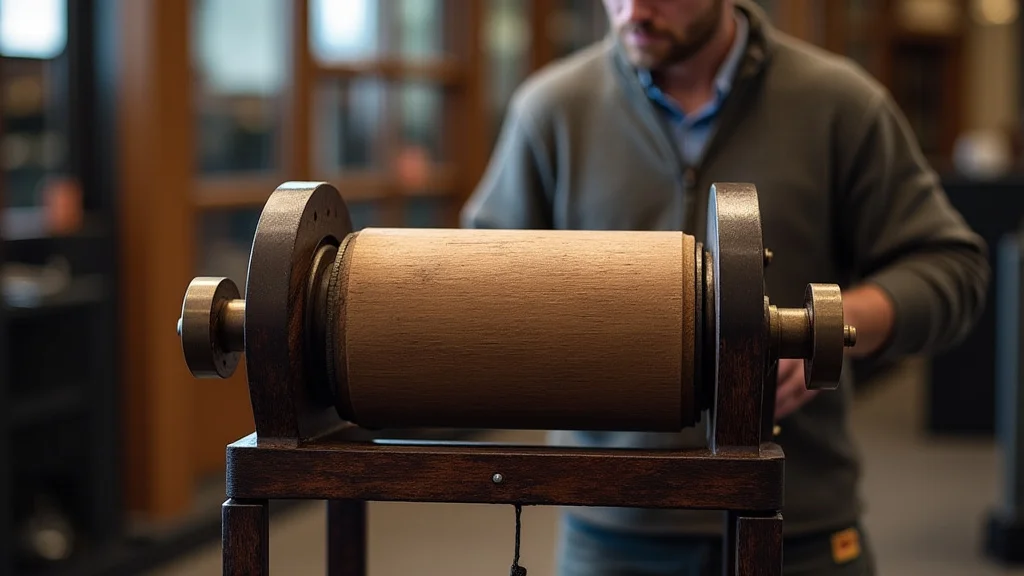
A printing cylinder is generally a cylindrical metal core, often made of steel or aluminum, with a surface layer that varies depending on the printing method. For example, flexographic cylinders have a photopolymer or rubber sleeve, gravure cylinders have engraved cells, and offset printing cylinders may use a specific coating. This surface is where the image to be printed is applied. Precise engineering is critical. Every aspect, from its roundness to the coating, influences the final print quality. Each type is designed to work efficiently with specific printing methodologies, ensuring precise ink transfer and image reproduction.
- Core Material: The core often uses steel or aluminum because they offer structural strength and stability, resisting deformation during high-speed printing. Aluminum, being lighter, is often preferred in some applications for ease of handling and faster press speeds.
- Surface Coating/Sleeve: This varies considerably by the printing method. Flexography often uses a photopolymer sleeve that receives the image. Gravure uses engraved cells. Offset uses a surface suitable for ink adhesion and transfer. The sleeve or coating is key to the image transfer process.
- Engraving or Image Application: How the image is put on the surface differs depending on the printing technique. Flexography utilizes digital imaging to create the relief image. Gravure requires meticulous engraving to create tiny cells that hold ink. Offset uses a plate that transfers the image.
- Precision Engineering: Extremely close tolerances are key to image quality. Roundness, concentricity, and surface finish must be perfect to make sure of even ink distribution and accurate print registration. High-quality cylinders are a long-term investment.
The Impact of Material Selection
Material selection for a printing cylinder influences its durability, print quality, and cost. It has a significant impact on several key aspects, including the cylinder’s ability to resist wear, its compatibility with different inks, and its longevity. This choice will greatly affect the performance and lifespan of the printing cylinder, directly affecting the overall print quality. The right choice is crucial, and it’s a decision that balances cost, performance requirements, and the specific demands of the printing job.
- Steel: Steel cylinders are known for their strength and resistance to wear. Their rigidity ensures precise registration and consistent print quality over long print runs, making them a good option for high-volume jobs where durability is key.
- Aluminum: Aluminum cylinders, on the other hand, are lighter and may be easier to handle. Their lighter weight can contribute to faster press speeds.
- Photopolymers: Used in flexography, photopolymers are selected for their flexibility and ability to accurately replicate fine details. These are often used for packaging.
- Coatings and Surface Treatments: Coatings may include chromium plating for durability or ceramic coatings for chemical resistance. Surface treatments enhance ink adhesion.
Printing Cylinder Types: Flexography, Gravure, and Offset
The type of printing cylinder used varies depending on the printing method. Each type, whether it’s used in flexography, gravure, or offset printing, is built to meet specific performance demands and printing jobs. The choice of cylinder type depends on the print job’s needs. The selection is key to achieving optimal print quality, cost efficiency, and production speed. Each method uses a distinct cylinder design and image transfer system. These differences highlight the diverse functions of the printing cylinder in the printing process.
- Flexographic Cylinders: Flexography utilizes flexible photopolymer or rubber plates mounted on cylinders. Flexo is often used for packaging, labels, and corrugated boxes. The cylinders rotate to transfer ink from an anilox roll to the printing plate and then to the substrate.
- Gravure Cylinders: Gravure cylinders have tiny cells etched into the surface, which hold the ink. They are used for printing high-quality images and are a great option for magazines. The depth and shape of the cells determine ink volume.
- Offset Cylinders: Offset printing uses three cylinders. One cylinder carries the image from the plate, transferring it to a rubber blanket cylinder, and finally to the substrate.
Printing Cylinder Maintenance and Care
Regular maintenance is key to the long life and optimal performance of a printing cylinder. Appropriate care and maintenance keep print quality high, which helps avoid issues and reduces downtime. Proper care includes routine cleaning, careful storage, and a proactive approach to damage control. Following these care tips will help protect your investment and maintain print quality.
Cleaning and Inspection Procedures
Regular cleaning is a basic step in cylinder care. This removes ink, debris, and contaminants that can affect print quality. Inspection helps find any damage early, like scratches or wear. Regularly, visually inspect cylinders for any signs of wear, such as dents or coating problems. Proper cleaning techniques and routine inspections help avoid costly issues. They are also important for maintaining consistent print quality.
- Cleaning Solvents and Techniques: Use the right cleaning solvents for the ink type used. Soft cloths or brushes can get rid of ink residue. Improper cleaning can cause damage, so always follow the cylinder manufacturer’s guidelines.
- Inspection Tools and Methods: Use a magnifying glass or microscope to find small issues. Measure cylinder dimensions and run tests to ensure they meet specifications.
- Storage Procedures: Properly store cylinders to avoid damage. Store them in a cool, dry place and use protective coverings to avoid scratches. Proper storage is crucial for extending the life of the cylinder.
Addressing Common Printing Cylinder Issues
Many common problems can arise with printing cylinders. These include scratches, wear and tear, and coating damage. Corrective actions and preventive measures can help minimize these issues, reducing the chances of print defects. Early intervention and consistent maintenance can help reduce downtime and ensure continuous high-quality printing. Addressing these issues can help keep print quality at a high level.
- Scratches and Dents: Carefully handle cylinders to prevent damage. Use protective sleeves during storage and transport. Minor scratches can sometimes be polished out, but severe damage may require cylinder replacement.
- Wear and Tear: Wear is normal over time, particularly in high-volume printing operations. Monitor wear regularly to determine when replacement is needed. Reduce friction and abrasive contact to extend the cylinder’s life.
- Coating Damage: If the cylinder’s coating is damaged, the cylinder can no longer function effectively. The issue can impact print quality. Replace or repair the cylinder as needed.
Advancements in Printing Cylinder Technology
Continuous innovation in printing cylinder technology aims to enhance efficiency, print quality, and sustainability. These changes encompass all aspects of cylinder design, from materials to production methods. The printing industry is always pushing the boundaries of what is possible, resulting in improved performance and environmental benefits. Ongoing developments ensure that printing cylinders remain cutting-edge. These innovations ensure the industry meets rising demands.
Recent Innovations and Future Trends
Advancements have improved the performance, durability, and eco-friendliness of printing cylinders. These advances are also reshaping the printing landscape. Newer technologies and trends are continually evolving. The industry is focused on making printing faster, more efficient, and less impactful on the environment. Printing technology continually advances.
- Laser Engraving: Laser engraving provides increased precision in cylinder manufacturing. It allows for the creation of intricate designs and patterns. This results in sharper images and consistent print quality.
- Nanotechnology: Nano-coatings are being developed to boost the cylinder’s wear resistance and ink receptivity. This innovation leads to increased durability and better print outcomes.
- 3D Printing: 3D printing makes it possible to rapidly prototype printing cylinders. This technology allows for custom designs and reduced production times.
- Sustainability: There is a push toward eco-friendly materials and manufacturing practices. The industry is working on reducing waste and improving the environmental footprint of printing processes.
Impact on Print Quality and Efficiency
The goal is to improve print quality and boost the efficiency of printing operations. These include making prints more vibrant, precise, and consistent. Advancements have made printing more cost-effective. These technological advances increase productivity. Better materials, manufacturing methods, and equipment contribute to significant improvements. They offer tangible benefits to printers and customers alike.
Consider the impact on the production of a magazine. Older cylinder technology might result in print defects, require frequent adjustments, and increase waste. Current advancements, such as laser engraving and enhanced coatings, enable faster print runs with reduced defects. This not only improves the overall quality but also reduces costs associated with wasted materials and downtime. The introduction of 3D printing may allow for rapid prototyping and customization. This will allow for more efficient production.
Common Myths Debunked
Myth 1: All Printing Cylinders Are the Same
In reality, printing cylinders come in many types, each designed for a specific printing technique and job. From the flexible cylinders used in flexography to the engraved cylinders in gravure, the specifications change based on the printing method. Cylinders vary significantly depending on the printing task, so understanding the differences is key.
Myth 2: Cleaning Cylinders Is a Simple Process
While cleaning the cylinders may seem simple, correct methods and materials are vital. Using the incorrect solvents or cleaning techniques can lead to damage. Careful cleaning is key to keeping the cylinders in good working order and preserving image quality.
Myth 3: All Cylinder Materials Are Equally Durable
The durability of a cylinder depends on the materials, with steel often offering more strength than aluminum. The cylinder’s lifespan is also influenced by operating conditions and the type of printing. Different materials provide different levels of resistance to wear and tear.
Myth 4: Cylinder Damage Always Requires Replacement
Some types of damage, like minor scratches, can be repaired. However, this depends on the damage and the type of cylinder. Appropriate maintenance and early intervention may extend the life of the cylinder.
Myth 5: Advanced Technology Makes Older Cylinders Obsolete
While advances in technology provide benefits, older cylinders can still be useful. Older cylinders may be a cost-effective option for certain print jobs. The best choice depends on the print requirements and budget.
Frequently Asked Questions
Question: What is a printing cylinder?
Answer: It’s a key component in printing processes, used to transfer images and text onto a substrate. It’s especially vital in flexography, gravure, and offset printing, where it holds the image and distributes ink.
Question: How is a printing cylinder different from a printing plate?
Answer: A printing plate is a piece of material, often made of metal or polymer, that holds the image. A printing cylinder often holds the printing plate and is part of the press.
Question: What is the lifespan of a printing cylinder?
Answer: The lifespan depends on factors such as cylinder material, usage, and maintenance. Regular inspection and care, however, help to extend the lifespan of the cylinder.
Question: What materials are often used for printing cylinders?
Answer: Materials include steel, aluminum, photopolymers, and various coatings. The type of cylinder determines the material.
Question: How can I care for my printing cylinders?
Answer: Maintain print quality through regular cleaning, inspection, and proper storage. Address any issues promptly and consider protective measures.
Final Thoughts
The printing cylinder is a key component, responsible for the quality and efficiency of printed materials that surround us. From high-quality magazines to packaging labels, it ensures precise image transfer and dependable printing results. Understanding the various types, the materials used, and the maintenance steps is key to appreciating their role. You now know about the different cylinder types, from the flexible flexographic cylinders used in packaging to the engraved cylinders in gravure printing. You should have a clearer idea of the different materials used, from robust steel to versatile photopolymers. This is also true about the maintenance procedures that help extend the lifespan of these vital components.
The next time you see a beautifully printed piece, take a moment to consider the printing cylinder and its role. By appreciating these details, you have a better understanding of the printing process. Consider the importance of proper cylinder care and recognize how it influences print quality. Staying informed about technological advances will help you to anticipate future printing trends. This knowledge will improve your printing knowledge.