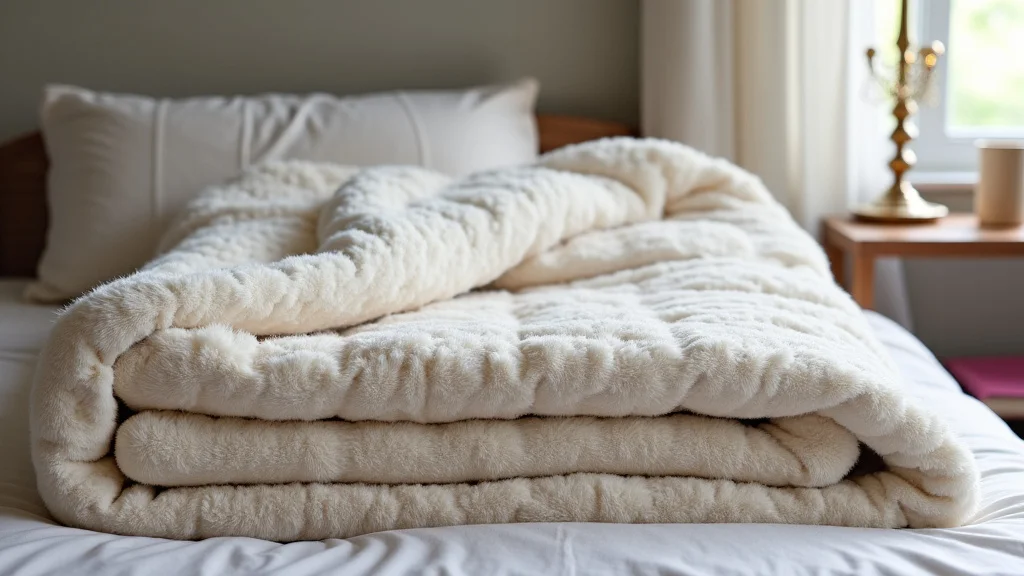
Picture this: It’s a chilly evening, and you’re curled up on the couch, wrapped in a blanket that’s not just warm, but also showcases your favorite photos or a unique design. That’s the magic of printing blankets! Whether it’s a personalized gift or a statement piece for your home, creating a custom blanket is a fantastic way to express yourself. This guide will explore everything about the process, from selecting the perfect materials to achieving stunning results. You’ll gain a thorough grasp of the various printing techniques, fabric choices, and design considerations, empowering you to create a printing blanket you’ll adore for years. By the end, you’ll feel confident in your ability to design and order a custom blanket that truly reflects your personal style.
Key Takeaways
- Learn about various methods for printing blankets, including their pros and cons.
- Discover different fabric options best suited for custom blanket projects.
- Understand the importance of image resolution and design elements.
- Get tips on preparing your design files for optimal print quality.
- Explore the various use cases for custom blankets, like gifting.
- Master how to find trustworthy printing services for a smooth experience.
Choosing the Right Fabric for Your Blanket
The fabric you select is the very foundation of your custom blanket. It will impact the feel, appearance, durability, and printing quality. Several factors should influence your decision, including the intended use of the blanket, the desired level of softness, and your budget. Consider these key fabric options to find the perfect match for your design.
Fleece: The Cozy Classic
Fleece is a popular choice for printing blankets due to its warmth, softness, and affordability. It’s typically made from polyester or a blend of polyester and other fibers. Fleece is known for its ability to retain heat, making it an excellent option for cold weather. However, the surface of fleece can sometimes be less receptive to detailed designs, and it may show minor imperfections during the printing process. When evaluating fleece options, consider different weights; heavier fleece provides greater warmth. It also holds the print better. Ensure you select a fleece that’s specifically designed for printing to achieve the best results.
- Softness and Warmth: Fleece blankets are known for their cozy feel and outstanding ability to trap warmth.
- Affordability: Fleece is generally a cost-effective choice, allowing for budget-friendly printing.
- Durability: Fleece is resilient and can withstand regular washing and use.
- Print Quality: Print results on fleece can vary, so choose a high-quality fleece for better clarity.
Fleece blankets work well for everyday use, snuggling, and gifting. They are easy to care for and provide a comfortable experience. You can find fleece blankets in various weights and thicknesses to suit your needs. Remember to check the care instructions for your fleece blanket to maintain its quality after printing.
Cotton: Breathable and Versatile
Cotton offers a balance of breathability, comfort, and good printability. It’s a natural fiber that’s gentle on the skin, making it a good selection for those with sensitive skin. Cotton blankets are versatile and suit many uses, from decorative throws to bed coverings. Cotton provides a crisp, clean canvas for printing, allowing designs to appear vibrant and detailed. However, cotton may be less warm than fleece or other synthetic fabrics. It also might require more careful handling during the printing process to prevent wrinkles or distortions. Look for combed cotton or Egyptian cotton for superior softness and a smoother printing surface.
- Breathability: Cotton blankets are breathable, making them suitable for year-round use.
- Print Quality: Cotton provides a smooth surface for detailed and vibrant printing.
- Durability: Cotton is a durable and long-lasting fabric, able to withstand multiple washes.
- Care: Cotton blankets are generally easier to care for than specialized fabrics.
Cotton blankets are a good option for those seeking a breathable, natural-fiber blanket that prints well. The absorbency of cotton allows for effective dye uptake, resulting in striking color reproduction. You can select from various cotton weights and weaves, such as twill or percale, to achieve your desired feel.
Polyester: The Durable Choice for Printing
Polyester is a synthetic fiber known for its durability, resistance to wrinkles, and colorfastness. This makes it an excellent choice for blankets that require frequent use and washing. Polyester can be printed using various methods and typically produces bright, sharp images. It’s also moisture-resistant, which can be useful if the blanket is used outdoors. The drawback is that polyester isn’t as breathable as natural fibers such as cotton. It may feel less soft, depending on the specific weave or construction. High-quality polyester blankets offer excellent value, with many designed specifically for printing.
- Durability: Polyester blankets are highly resistant to wear, tear, and wrinkles.
- Colorfastness: Polyester holds colors well, so your prints will remain vibrant.
- Moisture Resistance: Polyester resists moisture, making it ideal for outdoor use.
- Print Quality: Polyester fabrics accept dye effectively, producing sharp, detailed images.
Polyester blankets are perfect for use in high-traffic areas or environments where durability is important. They are available in different weights and constructions, including microfiber and fleece variations. Polyester-blend blankets offer a great combination of features, combining the benefits of polyester with other fibers for added softness.
Printing Techniques for Custom Blankets
Several printing methods are used to bring your designs to life on blankets. Each technique has unique characteristics that affect image quality, cost, and the types of fabrics it works best with. Understanding these methods will help you choose the ideal printing approach for your custom blanket project.
Dye Sublimation: A Vivid and Durable Method
Dye sublimation is a popular printing process that produces vibrant, long-lasting prints. It involves using heat to transfer dye onto the fabric, creating a bond at the molecular level. This technique is especially suitable for polyester fabrics. The result is a print that is resistant to fading, scratching, and peeling. However, dye sublimation may not work well with all fabric types, and color accuracy can be affected by the fabric’s base color. Dye sublimation is great for designs requiring photographic detail and vibrant colors. It typically results in a soft print, as the dye becomes part of the fabric itself. When the material is polyester, it produces a high-quality finish, great for printing blankets.
- Vibrant Colors: Dye sublimation produces brilliant and striking prints.
- Durability: Images are permanently bonded to the fabric, resulting in long-lasting prints.
- Fabric Compatibility: Best suited for polyester and polyester blends.
- Feel: The print feels soft, as the dye becomes part of the fabric.
Dye sublimation is often employed for blankets with photographic images, complex designs, or patterns that require maximum color depth and detail. It is perfect for producing blankets used outdoors and for blankets that need to be washed often.
Direct-to-Garment (DTG) Printing
Direct-to-garment (DTG) printing uses a specialized inkjet printer to apply ink directly onto the fabric. This method is effective for cotton and cotton blends. DTG offers high detail and allows for full-color printing. The prints are soft and have a natural feel. However, DTG might not be as durable on some fabrics as other methods. The image is less resistant to wear and wash. The printing process can also be slower, and the cost per print can be higher for small quantities. DTG is a fantastic option for printing complex designs on blankets made of cotton. This method allows for photographic detail, and the image feels soft.
- High Detail: DTG can print very intricate designs with great clarity.
- Full-Color Printing: It can reproduce a wide array of colors and gradients.
- Soft Feel: The print feels soft, integrated with the fabric.
- Fabric Compatibility: Works well with cotton and cotton blends.
DTG is frequently used for custom blankets with intricate designs, personalized messages, or photographic images. The cost-effectiveness makes it a good option for small-batch or single-item printing. Blankets using DTG printing maintain their soft feel after the printing process.
Screen Printing: The Classic Approach
Screen printing involves using stencils (screens) to apply ink onto the fabric. Each color in the design requires a separate screen. This method is excellent for producing large quantities of blankets with the same design. It’s often more cost-effective for bulk orders. Screen printing produces bold, vivid colors and can be highly durable. However, it may not be suitable for intricate designs. It is also less cost-effective for single-item or low-quantity orders. Screen printing provides a thick layer of ink. Therefore, it is important to factor in the ink’s texture. This method is excellent for blankets with simple graphics, logos, or bold text. It offers a good value for bulk orders.
- Vivid Colors: Screen printing creates rich and bold colors.
- Durability: Prints are very durable and can withstand regular use.
- Efficiency: Economical for large-quantity orders.
- Design Limitation: Not ideal for highly complex or photographic images.
Screen printing is frequently used for creating promotional blankets, team blankets, or blankets with simple designs. The technique’s durability makes it perfect for heavy use. Screen printing requires more setup time than other methods. It is best for designs that require bold colors and straightforward graphics.
Design Considerations and Image Preparation
Preparing your design carefully is crucial for a successful printing blanket project. Several factors, including image resolution, color mode, and design layout, will influence the final product’s quality. Paying attention to these aspects will help ensure that your blanket looks amazing and meets your expectations.
Understanding Image Resolution
Image resolution, measured in dots per inch (DPI) or pixels per inch (PPI), determines the clarity and detail of your print. A low-resolution image will appear blurry or pixelated when enlarged, while a high-resolution image maintains its sharpness. When designing or selecting images for your blanket, choose files with a high resolution. For most blanket prints, a resolution of at least 150 DPI is recommended. The design’s dimensions and the viewing distance also impact the required resolution. Always check the printing guidelines provided by your printing service for their specific requirements. Using high-resolution images prevents pixelation and ensures your design appears clear and crisp. This guarantees a finished product with sharp and professional results.
- Minimum Resolution: Aim for a minimum resolution of 150 DPI for your artwork.
- Image Clarity: Higher resolution results in sharper and more detailed prints.
- Enlargement Issues: Low-resolution images can appear blurry or pixelated when enlarged.
- File Format: Use formats such as TIFF or PNG to ensure quality.
To ensure a high-quality print, examine your design to ensure it meets the recommended resolution guidelines. Consider testing a smaller area of the design before printing the entire blanket. This helps reveal any potential issues before committing to a larger print job. The correct resolution is fundamental to achieving high-quality results.
Color Mode and Design Layout
Color mode and layout impact how your design appears on the final product. Understanding color modes such as RGB and CMYK, and considering design layout and composition, is critical. RGB (Red, Green, Blue) is the color mode generally used for digital displays, while CMYK (Cyan, Magenta, Yellow, Key/Black) is typically used for printing. You should convert your design to CMYK before submitting it to a printer to ensure color accuracy. The layout of your design, including the placement of images and text, affects the overall appearance of your blanket. Consider the size and shape of the blanket. Design elements accordingly. Ensure your design provides adequate spacing and avoids overly detailed elements that may not reproduce well on fabric. A well-considered layout and accurate color mode will ensure your blanket looks professional and visually appealing.
- Color Modes: Use CMYK color mode for printing to ensure accurate color reproduction.
- Design Layout: Consider the size and shape of the blanket when designing.
- Spacing: Provide adequate spacing between elements and the edges of the blanket.
- Detail: Avoid overly detailed elements that may not reproduce well on fabric.
Evaluate your design’s color mode and layout before submitting your order. Create a test print or proof if possible to assess how colors and details reproduce on the chosen fabric. Correcting any issues at the design stage will prevent unwanted surprises in the finished product. Good layout and accurate color choices will provide the best possible results.
Choosing a Printing Service and Placing Your Order
Finding a trustworthy printing service is a significant step in the process of creating a custom printing blanket. Several factors should be considered, including the quality of the prints, the materials used, and the customer service provided. Researching various providers and checking reviews will help ensure you select a printer that meets your needs and delivers exceptional results.
Researching and Evaluating Printing Services
Before selecting a printing service, do your research. Read online reviews, check their portfolios, and request samples if possible. Evaluating several printers will help you make a selection that aligns with your specific needs. Look at the range of services offered. Services that offer various printing techniques, fabrics, and customization options are beneficial. Look for clear pricing structures and detailed order guidelines, as this suggests a professional and transparent service. Consider the printer’s customer support, as it is helpful to find a service that is responsive to questions and concerns. Taking your time to research and evaluate printing services will help you find the right fit for your custom blanket.
- Online Reviews: Check reviews from past customers to evaluate their experience.
- Portfolio: View examples of their past work to assess print quality.
- Services Offered: Look for a service that offers the printing techniques you prefer.
- Customer Support: Good customer support will help ensure a smooth process.
When researching potential printing services, request samples to check the quality of their prints and materials. Contact customer support to assess the responsiveness and helpfulness of the team. Take into account the pricing structure. Then, look for a provider that matches your design and needs.
Preparing and Submitting Your Design
Preparing your design correctly will guarantee that your printing blanket looks fantastic. Follow the guidelines provided by your printing service for file formats, color modes, and resolution. Ensure your design is print-ready, following the design considerations discussed earlier. Check your design for any potential errors. A well-prepared design is essential for achieving a high-quality print. Submit your design file in the required format. Double-check all details, including dimensions, colors, and any special instructions. Confirm that all elements, such as text and images, are positioned as intended. Properly prepared designs improve the final product’s outcome. If the design needs any changes, make them beforehand. This helps avoid potential issues. Follow the service’s instructions carefully. This guarantees a smooth order process and results that meet your expectations.
- File Format: Use the file formats specified by your printing service.
- Resolution: Meet the minimum resolution requirements.
- Color Mode: Use CMYK color mode.
- Proofing: Review and proofread your design before submitting.
Before submitting your design, check all the guidelines. Correct any errors and review the design layout one final time. Confirm your design is ready for printing. This guarantees that your customized blanket will be visually pleasing.
Real-Life Examples and Scenarios
Let’s consider how custom printing blankets are used in practice and the outcomes of some specific design choices. Several real-life examples and scenarios illustrate the broad appeal of custom-printed blankets. From heartwarming personalized gifts to eye-catching promotional items, the applications are plentiful.
Example 1: Personalized Baby Blanket
A new parent wants a soft, cozy blanket for their newborn. They select a fleece blanket for its warmth and comfort. They submit a design featuring the baby’s name, birthdate, and a cute cartoon animal. The printer uses dye sublimation to produce vibrant colors and a long-lasting print. The result is a cherished keepsake blanket that is frequently used and washes well. The personalized element makes it an excellent gift.
Example 2: Promotional Blankets for a Business
A local coffee shop desires to create branded blankets to give to their customers. They select a cotton blanket. The business submits a design featuring their logo and the shop’s name. The screen printing method is used to create bold and durable prints. The blankets are then given to customers with large coffee orders. These blankets are a practical promotional product, which builds brand awareness and customer loyalty. They are used daily and help to promote the brand.
- A family creates custom blankets with their vacation photos. The blankets are a comforting reminder of their travels.
- A sports team creates blankets with their team logo. This helps build team spirit.
- A pet owner prints a blanket with photos of their beloved pet.
Scenario 1: Custom Blanket for a Wedding Gift
A friend is getting married, and you want to give a unique and thoughtful gift. You opt to design a custom blanket featuring the couple’s names, wedding date, and a beautiful design. You select a high-quality cotton blanket for a soft feel and excellent print quality. You decide to choose DTG printing to deliver intricate detail to the design. The blanket is a practical and emotional gift that will be treasured. It serves as a decorative element in their home. The happy couple uses it for years.
Scenario 2: Creating a Memorial Blanket
You desire to honor a loved one with a keepsake. You create a custom blanket displaying their photo and a special message. You select a soft fleece blanket to deliver comfort and warmth. You then use dye sublimation for its durability and vibrant colors. The blanket provides a personal and comforting way to remember and celebrate their memory. It is a source of comfort and a conversation starter.
Common Myths Debunked
Several misconceptions surround custom printing blankets. Dispelling these myths will empower you to make informed decisions about your projects.
Myth 1: Any Fabric Is Suitable for Printing
The truth is, not all fabrics are equally suitable for printing. Some fabrics absorb ink better than others. The print quality also varies widely. Fabrics like cotton and polyester are great for printing. Other fabrics may not hold the ink well, leading to blurry or faded prints. Considering the fabric’s characteristics is very important to ensure the best possible results. Certain fabrics like nylon or rayon might not be ideal for certain printing methods. The wrong fabric can cause issues with ink adhesion. Always review the printer’s recommendations for appropriate fabric choices.
Myth 2: High Resolution Means a Perfect Print
While high resolution is crucial, it’s not the only factor. Other elements include the print method and the quality of the original image. Low-quality images, even with high resolution, can lead to mediocre results. The printing process used also impacts the final look. For instance, dye sublimation produces different results than DTG. The combination of high resolution, design quality, and the right printing technique guarantees the best possible result. Check the printer’s recommendations to ensure optimal outcomes.
Myth 3: You Can Print Any Design on Any Blanket
There are limits to design complexity and the printing process. Intricate details and gradients may not always reproduce perfectly, particularly with certain printing methods. Simple designs are sometimes best. Choosing a suitable printing method for your design is vital. Certain printing methods are ideal for bold designs. Others handle intricate designs. Always consider the fabric choice and the limitations of the printing equipment. Checking with the printer for design suitability before submitting your order is also very important. This helps avoid potential problems.
Myth 4: Custom Blankets Are Always Expensive
Cost varies based on factors like the size of the blanket, the fabric, the printing method, and the quantity. While some custom projects are more expensive, this isn’t always the case. For example, bulk orders can bring the cost down. By doing your research and comparing pricing, you can find a cost-effective option. Consider all factors, from the materials to the print method. Different printing services have different pricing structures. Find a service that fits your budget. Custom blankets can be budget-friendly with careful planning.
Myth 5: All Printing Services Offer the Same Quality
Print quality varies from one printing service to another. Quality is affected by the equipment, the inks used, and the expertise of the staff. Checking the printing services’ portfolios and reading customer reviews can help assess their quality standards. Always compare the print samples and ask questions. Selecting a trustworthy provider is key to getting a high-quality result. High-quality prints are a result of attention to detail and a commitment to customer satisfaction.
Frequently Asked Questions
Question: What are the best file formats for submitting my design?
Answer: Common formats include JPEG, PNG, TIFF, and PDF. Always check your printing service’s specific requirements.
Question: How do I ensure my design matches the colors on my screen?
Answer: Convert your design to CMYK color mode before submitting. Also, consider ordering a proof to assess color accuracy.
Question: Can I print a photo on a blanket?
Answer: Yes, you can. Ensure the photo is high resolution (at least 150 DPI) for the best results. Consider using dye sublimation or DTG for detailed images.
Question: How long does it take to create a custom blanket?
Answer: Production times vary depending on the printing service, the complexity of the design, and the quantity ordered. Discuss the timeline with your provider.
Question: How do I wash my custom-printed blanket?
Answer: Follow the care instructions provided by the printing service and the fabric’s properties. Generally, it’s best to wash the blanket in cold water. Avoid harsh chemicals.
Final Thoughts
Creating a custom printing blanket is a fun and fulfilling project. From selecting the perfect fabric to designing a unique image, it’s a creative way to showcase your personal style or give a meaningful gift. By understanding the different printing methods and preparing your design carefully, you can achieve amazing results. The key is to explore the options, compare service providers, and embrace the process. By choosing the right fabrics, considering the design and image resolution, and carefully preparing your files, you’ll be well on your way to a wonderful custom blanket. Take the time to consider your options. Explore the various design choices and printing services available. Unleash your creativity, and start designing your own customized blanket today. You’ll soon be enjoying your very own cozy creation!