Remember that important meeting you almost missed because you couldn’t find a properly addressed envelope? Or that stack of bills you had to sort through, wishing they’d been a little easier to manage? The right kind of envelope can make a big difference in both your professional and personal life. This guide focuses on no. 9 envelope printing, exploring everything from choosing the right paper stock to creating eye-catching designs. You’ll gain a solid grasp of how to use these envelopes effectively, helping you streamline your mailing process and make a positive impression. By the end, you’ll know exactly how to use no. 9 envelope printing to your advantage.
Key Takeaways
- Learn the standard dimensions and uses of no. 9 envelopes.
- Discover the best paper options for different mailing needs.
- Find out how to design and format your envelopes for professional results.
- Explore cost-effective printing techniques for small and large print runs.
- Understand how to address envelopes correctly for efficient delivery.
- Gain tips for choosing the right print vendor to match your business needs.
Understanding No. 9 Envelopes
No. 9 envelopes are a staple in the business world, providing a professional and convenient way to send invoices, statements, and other important documents. These envelopes are specifically designed to fit standard-sized business documents, offering a clean and organized way to manage your communications. They are more compact and discreet than larger envelope formats, offering an appropriate option for various mailing needs. By knowing the basics, you can make the most of this versatile tool.
What Are No. 9 Envelopes?
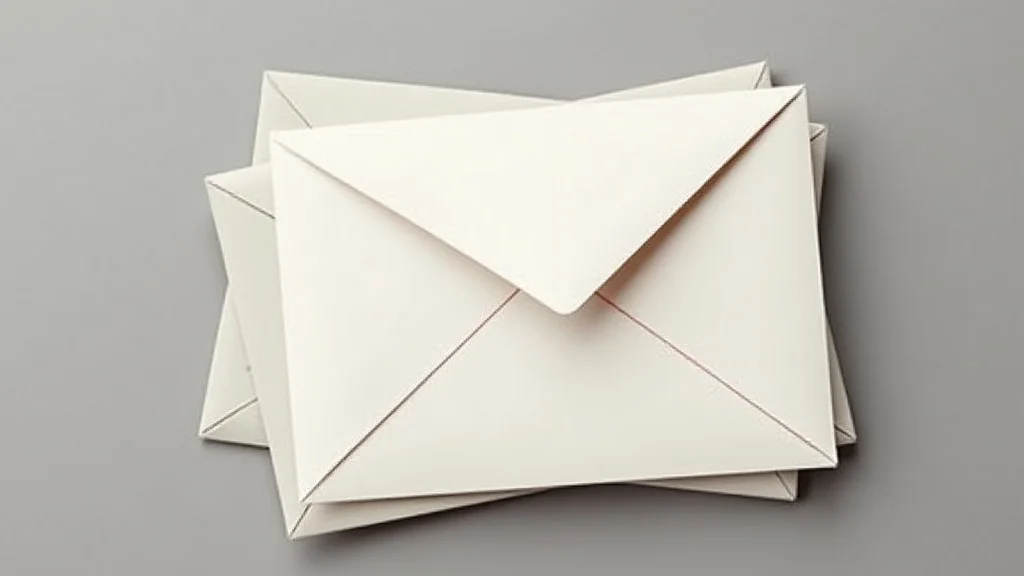
No. 9 envelopes are a specific size of envelope commonly used for business correspondence. They are precisely measured to accommodate standard business documents without folding them excessively. They strike the perfect balance between practicality and professionalism. Their dimensions allow for efficient filing and handling, making them a popular choice for businesses of all sizes. They provide a streamlined way to send various documents, creating a positive impression on recipients.
- Standard Dimensions: A no. 9 envelope measures 3 7/8 inches by 8 7/8 inches (98.4mm x 225.4mm).
- Common Uses: These envelopes are ideal for invoices, statements, small marketing materials, and checks.
- Compared to Other Envelopes: They are smaller than #10 envelopes but larger than some specialty sizes.
These exact measurements are what define a no. 9 envelope, ensuring they perfectly accommodate standard business documents like invoices, statements, and checks. This sizing contributes to the professional look, reducing the need for excessive folding and the possibility of documents getting creased or damaged during mailing. Knowing these dimensions helps with designing and printing materials that will fit these envelopes.
The size is perfectly suited for folding documents in a way that provides enough room without excess space. This makes them a great option for mailings that require a professional appearance. They are often used by businesses for a wide range of communications, including letters, promotional materials, and essential business correspondence. Their versatility makes them a reliable choice for organizations that need a compact and efficient mailing solution.
No. 9 envelopes represent a middle ground in envelope sizing. While a #10 envelope offers more space for larger documents and marketing inserts, no. 9 envelopes can be more efficient, especially when sending single-page communications. They balance form and function, ensuring efficient processing by postal services. Their moderate size is well-suited for both domestic and international mailings, providing a dependable solution for various communication needs.
Key Features of No. 9 Envelopes
No. 9 envelopes offer several advantages that make them a preferred choice for businesses and individuals alike. The features contribute to a professional image while also providing practical benefits, like cost savings and ease of use. Understanding these features can help in selecting the appropriate envelope type for specific needs.
- Flap Styles: Available in various flap styles, including commercial, wallet, and open-end.
- Sealing Options: These envelopes are typically available with gummed, self-sealing, or peel-and-seal options.
- Window Options: Can be ordered with or without a window, allowing for the address to be visible.
The commercial flap is the most common, featuring a straight-edged flap that seals on the shorter side. Wallet flaps, often found on premium envelopes, have a pointed flap that adds a touch of elegance. Open-end envelopes are sealed on the long edge, perfect for invoices or documents that need to be easily inserted. Choosing the correct flap style helps personalize your envelope, adding to your brand’s unique style.
Gummed envelopes require moisture to seal, providing a secure closure. Self-sealing envelopes have a pre-applied adhesive that activates with pressure, making the sealing process quicker. Peel-and-seal envelopes are also self-sealing but offer a convenient peel-off strip for easy closure. Each option provides different levels of convenience and cost implications, allowing you to select the best option based on your mailing volume and preferences.
Window envelopes are designed with a transparent area that reveals the recipient’s address printed on the enclosed document, simplifying the addressing process and saving time. Window placement is usually on the front, with the address aligned correctly so that it is visible. Selecting window or non-window envelopes depends on the type of documents you are sending and your workflow preferences.
Benefits of Using No. 9 Envelopes
Employing no. 9 envelopes in your mailing strategy brings several practical and professional advantages. Their design and size contribute to efficient document handling, while their versatility ensures they meet a broad range of communication needs. Utilizing these envelopes helps enhance your brand’s image and streamline your operations.
- Professional Presentation: They provide a polished look that conveys attention to detail.
- Cost-Effective: They can be more affordable than larger envelope sizes.
- Efficient for Standard Documents: Their size is perfect for single-page or folded documents.
The design of no. 9 envelopes exudes professionalism, instantly enhancing the impression your business makes. Their dimensions are proportional and fit well with standard business documents, allowing your company to appear more credible and reliable. The clean aesthetic of these envelopes elevates your brand identity and reflects your commitment to quality. The choice of these envelopes immediately signals to recipients that you value clear communication and a professional appearance.
The compact size of these envelopes often leads to lower printing and postage costs, creating a win-win scenario for businesses that need to send regular mailings. The reduced material usage translates to savings in both production and delivery, especially when printing in bulk. They are an economical choice without compromising the appearance or quality of your communications, offering a smart financial option.
Their design focuses on efficiency. They’re tailor-made for documents such as invoices, statements, and checks that are often a few pages long. This eliminates the need for excessive folding or the use of larger envelopes that might have wasted space. This optimized fit simplifies the mailing process, reducing the risk of documents getting damaged and ensuring that the content inside is the focus.
Choosing the Right Paper for No. 9 Envelope Printing
The paper choice for your no. 9 envelopes significantly impacts the look and feel of your mailings. Choosing the correct paper will improve the visual appeal and enhance the overall impact of your communications. Options range from standard uncoated paper to premium coated stocks, and the choice depends on your budget and desired outcome. Taking the time to select the right paper stock guarantees that your no. 9 envelope printing reflects your brand’s quality.
Paper Types for No. 9 Envelopes
The type of paper you choose is a fundamental element in the success of your mailing. A good paper type will make a positive statement about your brand. From basic options to more premium stocks, understanding the available types helps you make an informed decision for your no. 9 envelope printing.
- Uncoated Paper: Provides a classic, easy-to-write-on surface, ideal for invoices and statements.
- Coated Paper: Offers a smooth, glossy or matte finish for enhanced color and image quality.
- Specialty Paper: Includes textured, recycled, or colored options to enhance the feel and look.
Uncoated paper offers a natural look, which is popular for business communication and where writing by hand is necessary. It absorbs ink quickly, preventing smudging, and ensures that addresses and notes are clear and legible. This paper type is frequently selected when practicality and writing clarity are essential. Its cost-effectiveness and ease of use make it a versatile option for everyday mailing needs.
Coated paper improves the print quality, making it ideal for marketing materials or other communications that contain images or bright colors. The coating on the paper makes the colors vibrant and provides a professional appearance, making your mail stand out. While coated paper is a bit more expensive than uncoated options, it is a great choice when visual appeal is very important.
Specialty papers give your mailings a distinctive and memorable touch. Textured papers add a tactile dimension to your envelopes. Recycled papers highlight your commitment to sustainability. Colored options can match your brand’s identity or create a unique look. These options allow you to build an impression, making your mailings stand out and stay in the minds of the recipients.
Paper Weight and Thickness
The weight and thickness of your envelope paper are important factors to take into account. They impact the durability and the general impression the envelope conveys. A suitable weight will protect the contents and support the professionalism of your mailing.
- Paper Weight Options: Ranging from standard 20 lb. to heavier options like 24 lb. for added durability.
- Thickness Considerations: Ensure the paper is thick enough to prevent show-through of contents.
- Impact on Mailing Costs: Heavier paper may slightly increase postage expenses.
The paper weight is a key element of the quality and feel of the envelope. Lighter options are cost-effective, but heavier paper stocks are better at protecting the contents of your mailings. 20 lb. paper is a common and budget-friendly choice, while 24 lb. or heavier options offer an increased level of durability and a more premium feel. Choosing the correct weight helps create a good impression and gives the envelope a better sense of substance.
The thickness of the paper affects how well the contents of the envelope are protected and how it looks in transit. Make sure your paper is sufficiently thick so that you cannot see the contents through the envelope. This enhances the security and the overall professionalism of your communications. It is crucial for businesses that send sensitive information or wish to create a better impression with every piece of mail.
The paper weight will affect your overall mailing costs. Heavier paper adds to the weight of the envelope, which can increase the postage required to send it. While heavier paper can enhance the look and durability of your mailings, it is important to consider the potential rise in mailing costs. Weigh the impact of the paper weight against your budget and the needs of your communications to find the perfect balance.
Environmental Considerations
With environmental concerns, many businesses are paying attention to sustainability. Choosing recycled or eco-friendly paper demonstrates a commitment to environmentally conscious practices. These choices not only benefit the environment but also appeal to customers who favor companies that make responsible choices.
- Recycled Paper Options: Using paper made from recycled materials to reduce environmental impact.
- Sustainable Forestry Practices: Choosing paper certified by organizations such as the FSC.
- Ink and Coating Choices: Using eco-friendly inks and coatings to minimize chemical use.
Recycled paper reduces the consumption of natural resources by reusing existing materials, making it an eco-friendly option. Using recycled envelopes is a clear way to show your commitment to sustainability. This resonates with customers who value eco-friendly practices. Recycled paper comes in various finishes and weights, allowing you to select an option that matches your brand image and meets your needs.
Paper from sustainable forestry practices ensures that trees are harvested responsibly, preserving forests. These certifications assure that the paper is made using environmentally sound practices and contribute to the long-term well-being of the planet. These certified papers provide assurance and can be a compelling element in your company’s environmental story, reinforcing its dedication to responsibility.
Selecting inks and coatings that are environmentally friendly helps reduce chemical waste and overall emissions. Vegetable-based inks are becoming increasingly popular because they are biodegradable and emit fewer volatile organic compounds (VOCs) compared to traditional inks. These eco-friendly options allow you to create high-quality, visually appealing envelopes while reducing your environmental footprint. They demonstrate a commitment to both visual impact and environmental responsibility.
Design and Formatting for No. 9 Envelope Printing
A well-designed envelope does more than just deliver your message; it creates a positive first impression and enhances your brand’s presence. Effective design and formatting are crucial for producing professional-looking mailings. By paying attention to details such as layout, fonts, and branding elements, you can create envelopes that help the recipients take notice.
Creating an Effective Layout
The layout of your envelope is the first thing a recipient sees, making it a critical aspect of effective communication. A thoughtful layout ensures the address and any branding elements are clear and attract attention. It’s about combining aesthetics with functionality.
- Address Placement: Following postal guidelines for optimal readability.
- Return Address Location: Typically positioned in the upper left corner.
- Branding Elements: Including logos, colors, and fonts that align with your brand.
Correct placement of the recipient’s address is crucial for efficient mail delivery. It must be in the correct area on the envelope, and using a legible font ensures that the postal service can correctly process it. Avoid cluttering the envelope with excessive design elements that can make it difficult to read the address. Adhering to these guidelines ensures your mail gets to its destination without delay and that your correspondence looks professional.
The return address, usually in the upper left corner, is essential for any undeliverable mail. It allows the post office to return the mail to the sender. This also helps establish your brand and contact information. Making sure your return address is correctly placed is essential for easy mail management and to maintain your business’s reputation.
Your envelope is a perfect branding opportunity. Using your logo, brand colors, and consistent fonts creates immediate recognition for your company. These design elements will reinforce your brand identity every time the recipient handles the mail. This consistency fosters brand loyalty and makes your company’s communication more memorable.
Choosing the Right Fonts and Colors
Font and color choices have a significant impact on your envelope’s effectiveness. The fonts and colors you use can improve readability and evoke specific emotions, which enhances the message you send. Select fonts and colors that match your brand identity and help the envelope catch the reader’s attention.
- Font Selection: Opting for clear, easy-to-read fonts like Arial or Helvetica.
- Color Scheme: Using colors that align with your brand while ensuring readability.
- Contrast and Readability: Ensuring a strong contrast between text and background.
The font you use significantly affects the readability of your envelope. Choosing fonts like Arial or Helvetica guarantees that the address and return information are easily read, even under varied lighting conditions. Easy-to-read fonts make sure that your mail can be delivered quickly without delay. Avoid overly elaborate or fancy fonts that can decrease legibility. A clear, readable font is the foundation for effective communication.
The colors you use should support your brand identity and the information on the envelope. Choose colors that ensure the address and return address are easily visible. It can be useful to include a specific call to action, or other important information. Careful color choices can make your mail more engaging and memorable. Consistent branding across all your communications boosts your brand visibility and improves recognition.
High contrast is vital for legibility. A dark font on a light background or a light font on a dark background is best for clear viewing. Ensure that your text stands out so the recipients can quickly read the information. Make certain that your design elements do not hinder the readability of the address or other important information. This is a basic rule of good design.
Designing for Automation
When preparing your envelope design, consider factors that support automation for printing and mailing. Efficient design choices help streamline the production process. Taking these factors into account can avoid errors and reduce costs, improving the efficiency of your mailings.
- Addressing Guidelines: Designing templates that work well with automated addressing systems.
- Avoiding Design Elements: Keeping elements away from areas that may interfere with scanning.
- Barcodes and Postage: Placing barcodes and postage in the correct areas.
If you’re using automated systems for addressing, your envelope design must follow specific guidelines. This ensures that the address is properly placed and scannable by the postal service’s equipment. Design your templates to suit automation, ensuring that the address is in the correct area, and there’s adequate space for postage and barcodes. Following these guidelines helps prevent delays and ensures fast processing of your mail.
Avoid placing design elements such as logos, colors, or images in areas where they might interfere with the postal service’s scanning equipment. Design elements placed improperly can block address scanning or barcode reading, causing delays. Keep the address block clear and accessible. Following these guidelines assures your mail goes through the postal system efficiently and correctly.
The placement of barcodes and postage is essential for automated mail processing. Consult the postal service’s guidelines to ensure these elements are correctly placed. Make sure there is enough space around the barcode and postage. This careful arrangement guarantees that your mail is processed and delivered on time. Following these rules streamlines the mailing process and minimizes delays.
Printing Techniques and Cost Considerations
Selecting the right printing technique is essential for balancing quality, cost, and efficiency when printing no. 9 envelopes. From traditional offset printing to more modern digital methods, the best technique for you depends on the size of your print run and the quality you desire. Exploring these methods can help you make an informed decision and guarantee that your printing meets your specific needs and budget.
Offset Printing
Offset printing is a tried-and-true method that is well-suited for high-volume jobs, offering excellent color quality and cost-effectiveness. The method involves transferring the image from a plate to a rubber blanket, and then to the paper, which makes it ideal for large print runs.
- Process Overview: Involves using plates to transfer images onto the paper.
- Best for Large Print Runs: The most cost-effective solution for high-quantity envelope orders.
- Color Accuracy and Consistency: Provides superior color quality compared to other methods.
Offset printing employs a plate-based system where images are transferred to a rubber blanket, which then transfers the image onto the paper. This technique gives excellent color accuracy and consistency, making it perfect for detailed designs and large print volumes. Each color is printed separately, allowing for precise color control and high-quality results. Offset printing is often favored by businesses with extensive printing needs.
Offset printing’s high-volume efficiency makes it perfect for print runs that involve many envelopes. The setup costs are usually higher than digital, but the cost per unit decreases significantly as the order volume increases. This makes offset printing the most cost-effective choice for large-scale projects, allowing businesses to print thousands of envelopes at competitive prices. It is ideal for print requirements that need bulk quantities, making it a favorite for many organizations.
Offset printing provides unmatched color accuracy and consistency, which is vital for any company needing reliable branding. The process makes it possible to precisely match corporate colors, guaranteeing that your envelopes present a professional image. The color quality is higher, and the consistency across the entire print run is great, ensuring that every envelope looks its best. This is a must for companies that prioritize their brand identity.
Digital Printing
Digital printing is an excellent solution for smaller print runs and personalized projects. With its ease of setup and ability to print variable data, it is perfect for businesses with evolving needs.
- Process Overview: Prints directly from a digital file, without plates.
- Best for Small to Medium Runs: Cost-effective for smaller quantities with quick turnaround.
- Variable Data Printing: Allows for personalization of each envelope.
Digital printing bypasses the need for printing plates, which makes it perfect for small quantities and quick turnaround times. The design is printed directly from a digital file onto the envelope, which allows for instant printing adjustments and changes. This flexibility is perfect for businesses that require customized or short-run printing. It is also great for personalization, which means each envelope can have different text or images, increasing the effectiveness of your communications.
Digital printing is most cost-effective for smaller print runs. The lack of plate setup makes the process cheaper and faster for lower volumes. Digital printing is excellent for businesses needing envelopes in smaller numbers and for projects with fast turnaround requirements. This flexibility allows for immediate adjustments and printing, which is especially useful for personalized or limited-time promotions.
Variable data printing is a strong point of digital printing. It allows you to personalize each envelope with different text or images, such as recipient names, custom messages, or promotional offers. This personalized touch can boost the impact of your marketing efforts and create a more direct connection with your audience. The capacity to adapt each envelope boosts the chances of greater engagement and increases the effectiveness of your communications.
Cost Comparison and Factors
Knowing the factors that affect printing costs can help you make budget-conscious decisions. A better idea of these factors helps you plan and guarantees that you receive the best value for your no. 9 envelope printing projects.
- Volume of Envelopes: Higher quantities often mean lower per-envelope costs.
- Paper Type and Finish: Premium paper stocks can increase overall costs.
- Number of Colors: More colors mean higher printing costs, especially with offset.
- Recipient Information: Include the full name, company name (if applicable), and address.
- Address Formatting: Follow the postal service’s guidelines for address formatting.
- Font and Legibility: Using a clear, easy-to-read font for the address.
- Address Verification Services: Using services to validate and standardize addresses.
- Address Printing Software: Utilizing software to manage and print addresses in bulk.
- Direct Mail Automation: Integrated solutions for comprehensive mailing services.
- Postage Options: Choosing the correct postage type based on your mailing needs.
- Bulk Mail Discounts: Utilizing discounts for large-volume mailings.
- Tracking and Delivery Confirmation: Using services to track mail and verify delivery.
- Equipment and Technology: Examining their printing presses and related tech.
- Experience and Expertise: Assessing their experience with no. 9 envelope printing.
- Customer Service and Support: Evaluating their support and communication.
- Detailed Quote Requests: Providing a clear description of your project requirements.
- Comparing Pricing: Evaluating the cost of printing, shipping, and extra services.
- Reviewing Samples and References: Evaluating the quality of their work.
- Clear Communication: Establishing clear communication channels and project timelines.
- Providing Feedback: Giving constructive feedback to improve future projects.
- Long-Term Relationships: Fostering strong vendor relationships for consistent quality.
The total volume of envelopes that you print impacts the cost significantly. With offset printing, the cost per envelope usually decreases as the number of envelopes increases. This is because the initial setup costs are spread across the entire print run. Digital printing does not necessarily depend on volume, making it more competitive for smaller quantities. Understanding your volume needs helps you choose the most cost-effective printing option. Making good choices about volume helps companies maximize their budget.
The type of paper you select has a big impact on printing costs. Higher-quality paper, such as coated or specialty stocks, usually costs more than standard uncoated paper. The choice between finishes, such as matte or gloss, also affects the price. It is important to know your budget and the visual effect you want to make when choosing paper stocks. Selecting the correct type of paper helps make your mailings match your brand’s quality and stays within budget.
The quantity of colors that you include in your envelope design affects the cost, especially with offset printing. Each color requires its own printing pass, which adds to the cost and time. Digital printing provides a cost-effective solution for designs requiring multiple colors. Keeping this in mind can help you strike a balance between design and budget, providing you with high-quality results while staying within your allocated spending.
Addressing Your No. 9 Envelope Printing
Correct addressing is important for guaranteeing efficient mail delivery. Correct addressing reduces delays and guarantees your mail reaches the intended recipients promptly. Learning the correct addressing practices and selecting the right services will streamline your mailing processes and boost your brand’s professionalism.
Addressing Best Practices
Adhering to proper addressing standards reduces delivery issues and makes your mail appear professional. Following these guidelines helps ensure that your mail is handled efficiently and gets to the correct destination.
Always include the full name of the recipient, their company (if relevant), and their full address on the envelope. Make sure all the information is correct and easy to read. This comprehensive approach reduces the risk of delivery errors. Accuracy and completeness are key for fast and dependable mail delivery, and a polished appearance enhances your professional image.
Postal services worldwide have addressing guidelines that you must follow for optimal processing. It is vital to comply with these rules. This means using correct line breaks, and including all necessary elements, like street numbers, apartment numbers, and zip codes. Proper formatting guarantees that your mail is correctly sorted and delivered without delay. It also increases the reliability of your mailings.
Selecting an easy-to-read font is essential for the readability of the address. Make sure the font is clear and large enough for postal workers to easily recognize. Avoid decorative or complex fonts that might be hard to read. A legible font is a must for ensuring prompt delivery and reflects attention to detail. This makes your communication effective and professional.
Automated Addressing Systems
Automated addressing systems boost the efficiency of the mailing process, reducing human error. Automated systems ensure your mailing campaigns are fast and accurate.
Address verification services are essential for guaranteeing the accuracy of your mailing lists. These services compare your address data to a database. They also standardize the formatting, making it ready for postal automation. By verifying and standardizing the addresses, you decrease the chances of failed deliveries. This leads to cost savings and strengthens the effectiveness of your marketing efforts.
Address printing software helps automate the mailing process. This software will help you manage your address data. Address printing software formats the addresses correctly and prints them directly onto the envelopes or labels. This simplifies the process and reduces the need for manual addressing. Streamlining your mailing process helps save time and minimizes errors.
Direct mail automation services provide comprehensive mailing solutions, from addressing to postage and delivery. These tools are designed to streamline the mailing process. They ensure the mail is prepared for postal services. Integrated solutions optimize the delivery process and enhance efficiency. They are perfect for businesses looking to automate their mailings. They are a good option for all your mailing needs.
Postage and Mailing Options
Selecting the correct postage and mailing options is vital for efficient and cost-effective mail delivery. Taking into account these elements helps your mail arrive on time while controlling expenses. Knowing the various options is key to optimizing your mailing strategy.
The postage you select impacts the cost and delivery speed of your mail. Using stamps, postage meters, or online postage services can make a difference in your process. Stamps are ideal for smaller volumes. Postage meters are suitable for businesses that mail regularly. Online services offer convenience and tracking capabilities. Considering these factors is key to matching your postage selection to your specific needs.
The postal service provides discounts for bulk mailings, which significantly lowers postage costs. To qualify for these discounts, you must meet certain requirements, such as a minimum quantity, address standardization, and correct sorting of mail. Taking advantage of these discounts can help you lower mailing costs, making your mailing campaigns more cost-effective. Check with your local post office for more details.
Tracking and delivery confirmation services give you visibility into the status of your mail, from the mailing facility to its delivery. These services provide peace of mind by confirming that your mail has reached its destination. They also offer crucial data for marketing and customer service efforts. These capabilities add an extra level of security to all your mailings.
Choosing the Right Print Vendor
The right print vendor can greatly affect the outcome of your no. 9 envelope printing project. Evaluating and comparing vendors guarantees that you select one that meets your quality, budget, and time requirements. Knowing what to expect in a vendor will make your printing process easier.
Assessing Print Vendor Capabilities
Carefully assessing a print vendor’s capabilities guarantees they can handle your printing needs. Evaluating their equipment, expertise, and service options is crucial to your decision-making.
The types of printing presses and technologies that a vendor uses have a big impact on the quality of your printed products. Different printing presses are suited for various types of projects, like offset for high volumes and digital for customized projects. Explore the vendor’s technology to make sure they can meet your specific project needs. Seeing that their equipment is up-to-date indicates that the vendor is dedicated to producing high-quality work.
Experience is a valuable asset in the printing sector. A print vendor with experience in no. 9 envelope printing can provide insightful advice, anticipate potential problems, and guarantee great results. Ask to see a portfolio or client references to evaluate their history. Experience is key to finding a partner you can trust, which contributes to project success.
Great customer service and support are essential for a positive printing experience. A vendor who promptly answers your questions and offers proactive support will make the process easier. Clear communication, helpfulness, and promptness indicate that a printer is committed to customer satisfaction. These features are a good indicator of dependability and reliability.
Requesting Quotes and Comparing Options
Requesting quotes from multiple vendors and evaluating them carefully will help you make a budget-conscious and suitable decision. Getting comprehensive quotes and comparing them side-by-side helps make sure you get the best value and services for your no. 9 envelope printing projects.
Giving print vendors detailed requirements for your project will guarantee that their quotes are accurate. Include the paper type, quantity, color requirements, design specifications, and any extra services. Being complete in your project specifications helps to get quotes that precisely match your needs. This makes it easier to compare vendors and identify the most cost-effective option.
Comparing costs is essential for getting the best value. Look at more than just the cost per envelope. Check shipping, setup fees, and any extra services like design or mailing. Create a detailed spreadsheet for comparing the total cost and what each vendor offers. This helps you to identify the best value and select a vendor that best fits your budget and printing needs.
Always review samples of the vendors’ previous work to see the quality of their no. 9 envelope printing. Ask for examples of their envelopes, especially those similar to your project. Look at the printing quality, color accuracy, and overall appearance. Always contact the vendor’s references to learn about their service. This thorough assessment confirms that the vendor’s quality and services match your expectations.
Building a Successful Partnership
Establishing a good working relationship with your print vendor guarantees continuous success. Consistent collaboration, communication, and clear project goals can lead to long-term partnerships that produce outstanding results.
Effective communication is key to a smooth printing process. Always create clear communication channels from the start. Give the vendor all of the project’s details, deadlines, and design specifications in writing. Regularly check in with the vendor and respond quickly to any questions. This clear strategy keeps your project on track and ensures all parties are on the same page, which leads to great outcomes.
Providing feedback, both positive and constructive, is essential for improving future projects. When you receive the printed products, thoroughly evaluate them and give feedback on any adjustments that may be needed. Positive feedback helps the vendor continue their good work. Constructive criticism allows them to learn and improve. By working together, you establish a solid partnership that generates better results over time.
Establishing and maintaining lasting relationships with your print vendor provides you with many benefits, like consistent quality and personalized service. A vendor who knows your specific needs can provide a more customized solution. Over time, you build trust and a strong working relationship. This collaboration simplifies projects and improves the end result. These long-lasting partnerships are essential for ongoing printing success.
Common Myths Debunked
Myth 1: No. 9 envelopes are only for businesses.
In reality, while no. 9 envelopes are a favorite in the business environment, they are also useful for individuals. They are great for sending personal notes, cards, or gift certificates because of their size and design. They work for both formal and informal communications. No. 9 envelopes are a versatile choice for a broad range of mailing requirements.
Myth 2: All no. 9 envelopes are created equal.
The materials, printing processes, and even the closure options vary widely. Some use premium paper for a better feel and look, while others are very basic. You can find these envelopes with or without windows, different flap styles, and various sealing options. These differences let you select the perfect envelope to fit your mailing needs.
Myth 3: You can’t use color printing on no. 9 envelopes affordably.
Digital printing provides an economical option for using color printing. Even small print runs can have color design elements without a large expense. You can boost the visibility of your mailings by employing colors. Color printing is no longer restricted to large print runs.
Myth 4: Addressing envelopes by hand is always better.
For small quantities, addressing by hand is appropriate. Address printing software or automated systems ensure uniformity and efficiency for larger mailings. Automation also helps cut down on delivery delays caused by illegible handwriting. These modern solutions provide more consistency and speed than handwriting.
Myth 5: No. 9 envelopes can only be used for standard letters.
No. 9 envelopes are more flexible than they look. Besides sending letters, you can use them for marketing materials, checks, invoices, and even small gifts or coupons. Their flexibility makes them great for a range of mailing needs. It is also a space-saving option for professional communication.
Frequently Asked Questions
Question: What are the exact dimensions of a no. 9 envelope?
Answer: A no. 9 envelope measures 3 7/8 inches by 8 7/8 inches (98.4mm x 225.4mm).
Question: What is the best paper weight for no. 9 envelopes?
Answer: A good choice is between 20 lb. to 24 lb., balancing durability and cost-effectiveness.
Question: What is the benefit of a window envelope?
Answer: Window envelopes simplify the addressing process by revealing the recipient’s address printed on the enclosed document, saving time and effort.
Question: Is it more cost-effective to print envelopes in-house or use a print vendor?
Answer: For large quantities or specialized printing, outsourcing to a print vendor is generally more cost-effective. For very small quantities, you might be able to print in-house, but the quality and range