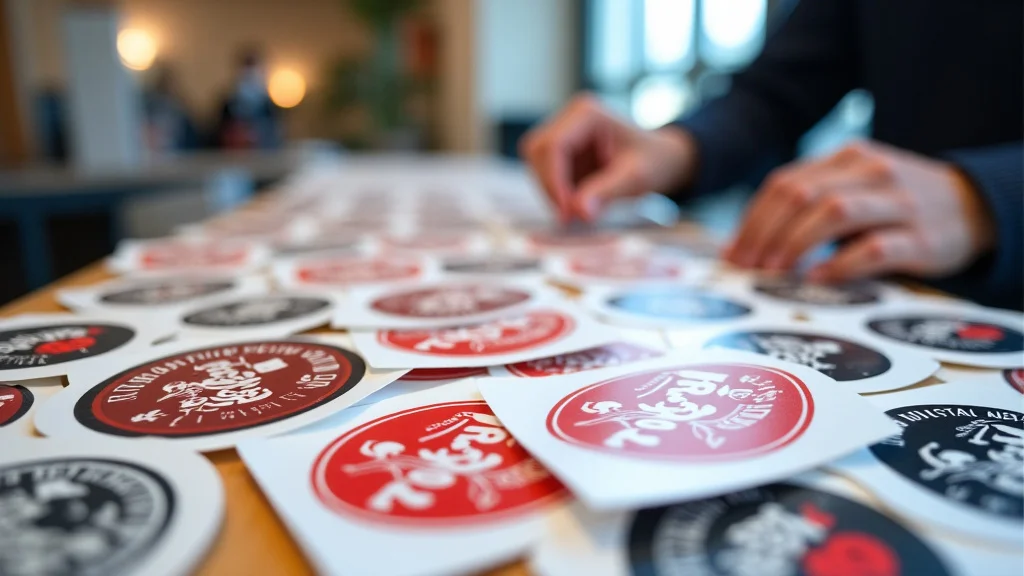
Ever walked into a store and instantly recognized a brand because of its sticker on a product? Or maybe you’ve seen a cool sticker slapped on a laptop, making you curious about the company? That’s the power of printing logo stickers. These simple, often overlooked tools, are incredibly effective in making a brand known. This post will help you discover the benefits of printing logo stickers, and provide all the information you need to make great ones for your business and personal projects, improving your website’s visibility and user engagement.
Key Takeaways
- Learn about the different types of stickers and their applications.
- Discover the critical aspects of designing effective logo stickers.
- Understand the various printing methods available for producing your stickers.
- Get tips on choosing the right materials for durability and appeal.
- Find out how to estimate the costs associated with sticker creation.
- Explore creative ways to use stickers for marketing and branding.
The Value of Logo Stickers
Logo stickers are more than just adhesive labels; they’re walking advertisements, small pieces of art, and versatile tools for building brand awareness. They help to make a brand memorable, offering a tangible connection with the audience. Consider a local coffee shop. They might use stickers on their to-go cups, bags of coffee, or even hand them out at events. This generates a lasting impression, transforming customers into brand ambassadors who share the logo and its message.
Crafting the Perfect Logo Sticker Design
Brand Identity First
Before putting a design together, it’s very important to understand your brand. What do you want your business to be known for? Is it professional, fun, or something else entirely? Your logo sticker should reflect your brand’s personality and values. Take a look at successful brands that you admire. What colours do they use? What typefaces, or fonts, are they using? You can then use the same elements to build a connection with potential clients.
- Logo Design: Your logo needs to be clear, memorable, and appropriate for the target audience. It should work well in different sizes and formats, from large posters to tiny stickers.
- Color Palette: Colors have a strong effect on how people feel about your brand. Choose a color palette that represents your brand. Use color psychology to your advantage.
- Typography: The fonts you select should complement your logo and brand. Make sure the text is readable, even on a small sticker.
Think about Apple’s logo, it’s simple and recognizable.
Bright colors can make a product look fun. Earth tones can give a feeling of sustainability.
Avoid intricate fonts that are tough to read.
Creating a Design
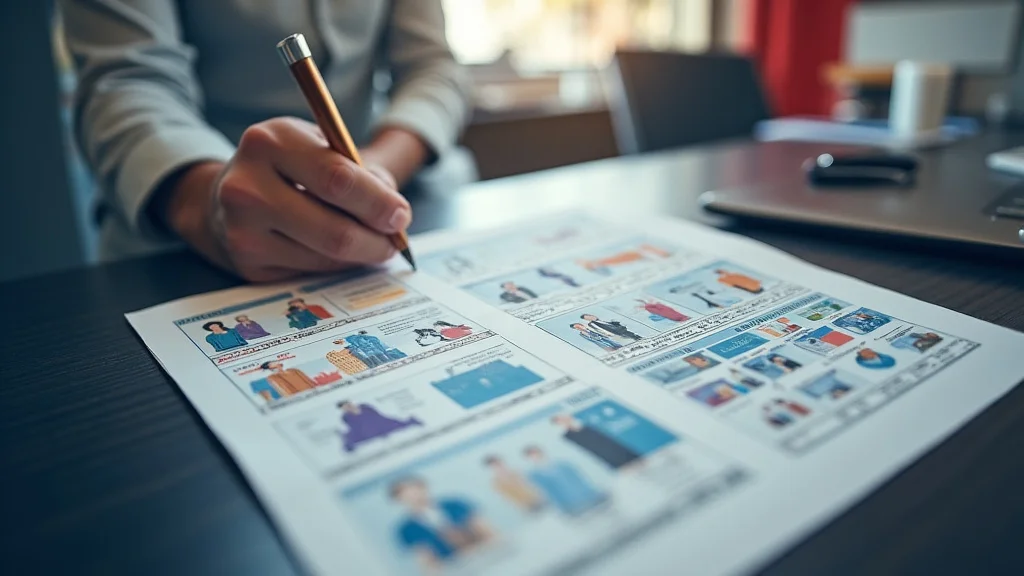
Now that you know what you are looking for, it is time to build your sticker. Use graphic design software, such as Adobe Illustrator or Canva to create a sticker. These programs allow you to create the design from scratch. These tools provide templates to get you started, and are very user friendly. Make sure that the designs are vector-based, so you can resize the design without losing quality. This is particularly important for printing logo stickers.
- Size and Shape: The size and shape of your sticker should fit its intended use. Are the stickers going on a small item like a phone, or a large poster?
- Imagery: Use high-resolution images or graphics in your design to ensure they look sharp when printed.
- White Space: Don’t overcrowd your sticker. Leave enough white space around the logo and text.
Consider different shapes, like circles, squares, or custom cuts to make your sticker stand out.
Pictures should have a resolution of 300 DPI.
This will help your sticker look clean and professional.
Methods of Printing Logo Stickers
Digital Printing
Digital printing uses inkjet or laser printers to print directly onto the sticker material. It is a good choice for smaller quantities or when you need many different designs. This method produces great results, and is generally faster and more cost-effective for smaller runs than other options. This method is a great choice for start-up companies that need some printing logo stickers.
- Advantages: Low setup costs, fast turnaround times, and the ability to print variable data.
- Disadvantages: May not be the best choice for large quantities, and can sometimes result in less vibrant colors compared to offset printing.
- Ideal For: Small businesses, custom orders, and prototyping.
You can adjust each sticker as you want.
Offset printing produces richer color.
If you’re testing out a new design, digital is a great place to start.
Offset Printing
Offset printing uses plates to transfer images onto the sticker material. It’s best suited for high-volume orders, delivering excellent quality and color accuracy. It’s often the most cost-effective solution for large runs, although the initial setup costs are higher. Offset printing is well-suited for businesses looking to mass-produce high-quality printing logo stickers.
- Advantages: High print quality, cost-effective for large quantities, and wide range of material options.
- Disadvantages: Higher setup costs and longer turnaround times.
- Ideal For: Large businesses, bulk orders, and applications that require high-quality visuals.
If you need lots of stickers, this is a great choice.
You need a large number of stickers to make it a great choice.
It is worth it for lots of stickers, like for product packaging.
Screen Printing
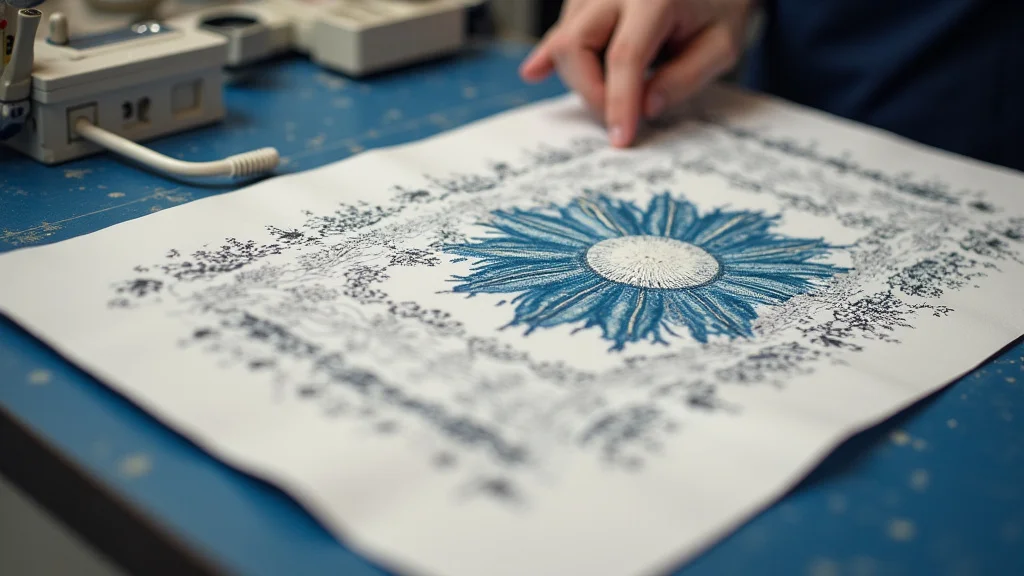
Screen printing uses stencils to apply ink to the sticker material. It is effective for durable and long-lasting stickers, especially those exposed to the weather. Screen printing can be a good option for certain special effects or spot colors. It’s a method that provides vibrant colors and is well-suited for specific materials. It is a very effective way for printing logo stickers that stand out.
- Advantages: Durable, great for vibrant colors, and suitable for a variety of materials.
- Disadvantages: Not ideal for complex designs or gradients, and setup costs can be higher.
- Ideal For: Outdoor stickers, promotional items, and when durability is a major concern.
These stickers will last for a long time.
Limited color options.
Great for bumper stickers or outdoor signs.
Choosing the Right Materials
Vinyl
Vinyl is a great choice for durability. Vinyl stickers are waterproof and weatherproof. It is a long-lasting option. The material also comes in various finishes, including glossy, matte, and transparent. The ability to endure challenging environments makes vinyl a great choice for various applications.
- Glossy Vinyl: Offers a shiny, reflective surface, ideal for eye-catching designs and vibrant colors.
- Matte Vinyl: Provides a non-reflective, elegant finish, often preferred for a premium look and feel.
- Clear Vinyl: Allows the surface beneath to be visible, great for branding on windows or products.
Perfect for products that need to stand out.
Best for a more high-end product.
Adds branding with allowing the product underneath to be seen.
Paper
Paper stickers are a less expensive option for indoor use. They can be good for labeling products, but they are not as durable as vinyl. They are available in various finishes, including gloss and matte. Paper stickers are best for short-term use and applications where water resistance is not a concern.
- Glossy Paper: Offers a shiny finish, enhancing colors and making designs pop.
- Matte Paper: Provides a smooth, non-reflective surface that is great for a more subtle, professional look.
For a vibrant and colorful look.
Makes the sticker feel and look professional.
Specialty Materials
Specialty materials offer unique textures and properties for specific needs. These materials can include metallic, holographic, or textured options. These materials can help a sticker stand out, but can be more costly. The choice of material depends on the branding goals and application requirements.
- Metallic: Adds a premium, eye-catching effect with gold or silver finishes.
- Holographic: Creates a dynamic, multi-colored effect that is sure to grab attention.
Use for a high-end feel.
Great for attention-grabbing stickers.
Estimating the Cost of Printing
Factors Influencing Cost
The cost of printing logo stickers is influenced by several factors. These include the size of the stickers, the quantity being printed, the materials used, and the printing method chosen. These factors have a direct effect on the cost. It is important to know your budget beforehand to determine your options.
- Quantity: The more stickers you print, the lower the cost per sticker, especially with offset printing.
- Size and Shape: Larger and more complex shapes will likely cost more due to the materials used and printing complexities.
- Materials: Premium materials like vinyl or specialty finishes will increase costs compared to standard paper.
Printing in bulk is generally cheaper.
The more unusual the shape, the more it will cost.
The material that you select will have a cost associated with it.
Getting a Quote
Before moving forward, getting quotes from various printers is critical. Obtain quotes from different vendors to compare pricing and services. Ensure that the quotes include all the necessary costs, like setup fees, printing charges, and any additional services like cutting or packaging. This helps in budgeting and selecting the most cost-effective option for printing logo stickers.
- Provide Detailed Specifications: Be specific about size, quantity, materials, and design requirements.
- Compare Multiple Quotes: Evaluate the prices, quality, and turnaround times from different vendors.
This ensures an accurate quote.
Compare the quotes before making a decision.
Cost-Saving Tips
There are ways to save money without lowering quality. These include opting for larger quantities to get bulk discounts, selecting standard shapes and sizes to reduce cutting costs, and comparing prices between multiple vendors. Proper planning and a clear understanding of your requirements are important.
- Order in Bulk: Take advantage of bulk discounts for larger orders.
- Use Standard Shapes: Choose simple shapes to reduce cutting costs.
The more you buy, the less each sticker will cost.
This avoids additional labor costs.
Marketing and Branding With Stickers
Product Packaging
Stickers are great for adding branding to product packaging. They can be used to seal boxes, label products, or add a logo to a plain surface. They help create a cohesive brand image. They also enhance the unboxing experience, making it more memorable for the customer. Using stickers is a great way to put your brand in front of a potential client.
- Sealing Boxes: Use stickers to seal boxes and add a professional touch.
- Product Labels: Use stickers as labels to display product information and branding.
This will enhance the presentation of your product.
A great way to showcase your brand.
Promotional Giveaways
Handing out stickers at events, trade shows, or as part of promotional campaigns can be a great way to generate interest. Giving away stickers increases brand visibility, and creates word of mouth. Free stickers often end up on laptops, water bottles, and other places where they can be seen by many people. Make sure that the stickers are eye-catching, and appealing to your target audience. This is a very effective method for printing logo stickers for marketing.
- Events: Give away stickers at trade shows and events.
- Incentives: Include stickers with every purchase to encourage repeat business.
A fun way to hand out stickers.
Encourage your customers to be loyal.
Creative Applications
Think about putting stickers in unexpected places. This can make them more memorable. Consider using stickers on packaging, in mailers, or in customer service. Using stickers on your website can draw more customers in. These creative applications can make your brand more exciting and memorable.
- Social Media: Use stickers on social media platforms, like Instagram.
- Street Marketing: Place stickers in visible locations to generate brand awareness.
Increase interaction with your brand.
This is a fun way to use stickers.
Common Myths Debunked
Myth 1: Stickers Are Only for Kids
Many assume stickers are only for children, but that is not true. Stickers can be a powerful marketing tool for people of all ages. Custom stickers are very effective for branding, and can be used by any business or organization, regardless of the target audience.
Myth 2: Stickers Are Cheap and Don’t Last
This is not true. The quality and durability of stickers depend on the materials used. High-quality vinyl stickers are waterproof and weatherproof, and can last for years. The choice of materials should match the planned use of the stickers. This ensures longevity and a professional look.
Myth 3: Designing Stickers Is Too Difficult
Designing stickers can seem complex, but there are many user-friendly resources. Design software, online tools, and templates make the design process much simpler. Even those with no design experience can create great-looking stickers.
Myth 4: Stickers Are Only for Surfaces
Stickers have several uses outside of just placing them on surfaces. They can be used for promotional marketing, product packaging, and branding. They are versatile, and the only limitation is your imagination. Their ability to serve multiple purposes makes them a valuable marketing asset.
Myth 5: Printing Stickers Is Always Expensive
The cost of printing logo stickers varies greatly depending on factors such as size, quantity, and materials. While specialty options can be costly, there are cost-effective methods, like digital printing for small quantities. Getting multiple quotes helps in finding options that fit a budget.
Frequently Asked Questions
Question: What’s the best material for outdoor stickers?
Answer: Vinyl is the best choice for outdoor stickers because it is waterproof, weatherproof, and durable.
Question: How do I choose the right size for my sticker?
Answer: The size depends on the use. Small stickers work for products, while larger stickers work for promotional purposes.
Question: Can I print stickers with unique shapes?
Answer: Yes, many printers offer custom cutting options to create unique shapes for your stickers.
Question: What is the minimum quantity I can order?
Answer: The minimum quantity depends on the printer, but digital printing often allows for smaller orders.
Question: How can I design stickers without being a designer?
Answer: Use online design tools like Canva, or find templates that simplify the design process.
Final Thoughts
Printing logo stickers is a very valuable and versatile element for any business or brand. Stickers serve as walking advertisements, tangible brand ambassadors, and a tool for creating a connection with your target audience. From designing a visually appealing logo to selecting the best materials and printing methods, each element plays a part in the effectiveness of your stickers. Through careful planning and a clear understanding of your branding goals, you can create stickers that improve brand recognition, increase customer engagement, and help you stand out. Take the time to discover the endless possibilities of stickers, and start creating stickers that make a lasting impression.