Ever wish you could design your own t-shirts without the hassle of screen printing? Imagine a friend seeing your unique design on your favorite hoodie. Or perhaps you’re thinking of starting a small business? The printing clothes machine is a versatile tool. This article explores everything you need to know about these machines, from how they work to choosing the best one for your needs. You’ll gain valuable insights into the technology, the different types available, and how you can get started. By the end, you’ll be able to create stunning apparel. We will look at machine options and the printing process so you can get started right away. This guide will improve your knowledge of the printing clothes machine and boost your creativity.
Key Takeaways
- Understand the different types of printing clothes machines and their specific applications.
- Learn the key components and operating principles of these machines.
- Discover the best materials for printing clothes, including fabrics and inks.
- Explore the benefits of using a printing clothes machine for businesses or personal projects.
- Find out how to choose the right machine based on your needs and budget.
- Get tips on maintaining and optimizing your machine for long-lasting performance.
Unveiling the World of Printing Clothes Machines
The core function of a printing clothes machine is to transfer designs onto fabric. This transfer is done using various techniques, each with its unique advantages and disadvantages. These machines have revolutionized the apparel industry, enabling small businesses and individuals to create custom clothing. From simple logos to complex, full-color designs, the possibilities are vast. This section will explore the fundamental workings of these machines, covering the primary methods, the components, and the types available, which is key to learning how to use them.
Types of Printing Methods
Several methods are used for printing on clothes, each with distinct features. The method you choose affects your final products, so it’s a key decision. This section explores different printing styles. Machines vary based on their printing styles, so knowing these styles will also affect which machine suits your requirements.
- Direct-to-Garment (DTG) Printing: DTG printing uses inkjet technology to print directly onto the fabric. Think of it like a giant printer for your clothes. The design is sprayed onto the fabric with specialized inks. This technique is great for intricate designs and small-batch orders because it provides a good level of detail.
- Dye-Sublimation Printing: Dye-sublimation printing involves transferring dye onto the fabric using heat. The design is initially printed onto a special transfer paper. The paper is then placed on the fabric, and heat and pressure are applied. The dye turns into a gas and bonds with the fabric fibers.
- Screen Printing: Screen printing is a traditional method that uses stencils (screens) to apply ink to the fabric. Each color in the design requires a separate screen. Ink is pressed through the screen onto the fabric. This method is cost-effective for large production runs.
- Heat Transfer Printing: Heat transfer printing uses a heat transfer vinyl (HTV) or paper to transfer designs to the fabric. The design is cut from the vinyl and placed on the fabric. Heat and pressure are then applied to bond the design to the garment.
DTG printers work in a similar way to home inkjet printers, but are scaled up to accommodate larger print areas and thicker fabrics. These machines use water-based inks that bond with the fabric fibers. The design is created digitally and sent directly to the printer. Then, the printer sprays the ink onto the garment. This process allows for photographic quality prints.
Dye-sublimation printing works best on polyester fabrics, as the dye molecules bond more effectively with the synthetic fibers. This method is great for all-over prints, such as those found on sports jerseys. The result is a vibrant, durable print that won’t crack or peel. Dye-sublimation produces exceptional detail and smooth gradients.
Screen printing is a versatile process that can be used on various fabrics. The screens are typically made from a fine mesh stretched over a frame. A stencil is applied to the screen. Ink is then pushed through the stencil onto the fabric using a squeegee. This creates a thick, durable print. Screen printing is often used for t-shirts and promotional items.
Heat transfer printing is an accessible method that can be done with a basic heat press and a cutting machine. This is a popular option for creating custom t-shirts and other apparel at home or for small businesses. There is a wide variety of HTV materials available, including glitter, flock, and reflective options.
Key Components and Operation
Understanding the components and the operating principles of a printing clothes machine is critical for proper use and maintenance. Each machine type has unique elements. But many share common features. This knowledge will assist you in troubleshooting problems and making informed decisions about your printing projects. The following will provide a detailed look.
- Print Head: The print head is the most critical part of a DTG printer. It’s responsible for spraying ink onto the fabric. The print head contains tiny nozzles that dispense ink droplets. The quality of the print head affects print speed, resolution, and overall print quality.
- Ink System: The ink system holds and delivers the ink to the print head. It is vital for the quality of the print. The system includes ink cartridges or bulk ink systems, tubing, and dampers. The ink system must be carefully maintained to prevent air bubbles, which can cause print defects.
- Platen: The platen is the surface that holds the garment in place during printing. It ensures that the fabric is flat and stable. The platen design varies depending on the machine type and the size of the items being printed. Some platens are adjustable to accommodate different garment sizes and styles.
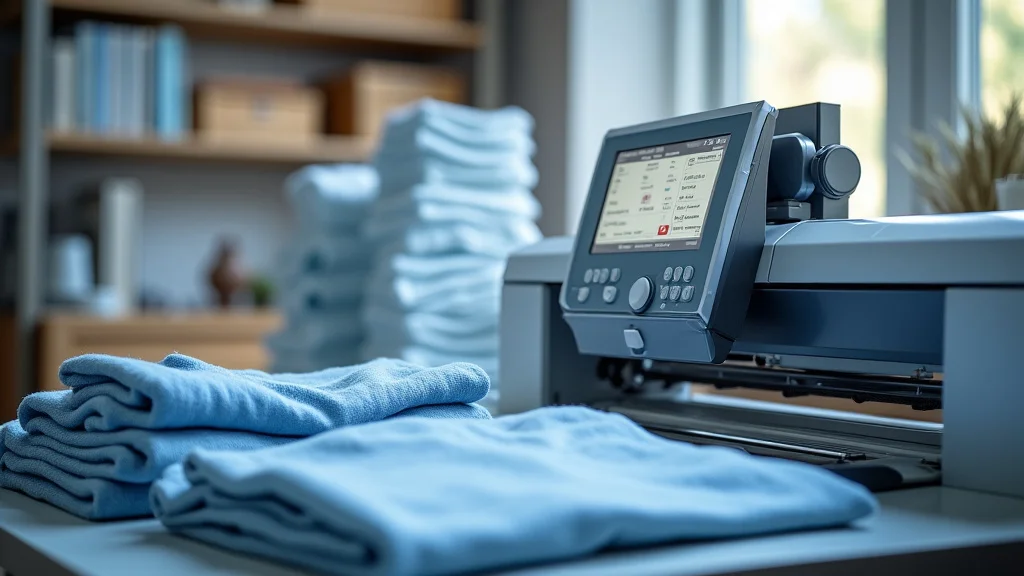
- Control Panel and Software: The control panel and software are used to operate the machine and manage the printing process. The control panel includes buttons, a display, and other controls for adjusting print settings, starting and stopping the print job, and performing maintenance tasks.
Print heads use piezo or thermal technology. Piezo print heads use piezoelectric crystals to force ink droplets. Thermal print heads heat the ink to create bubbles that force the ink onto the fabric. They are precision instruments that require regular cleaning and maintenance to avoid clogging and ensure consistent print quality. The type of print head affects ink compatibility and the range of colors it can produce.
The ink system varies depending on the type of printing machine. DTG machines typically use water-based inks formulated to bond with the fabric fibers. Dye-sublimation machines use dye-based inks that turn into a gas when heated. Screen printing uses thicker, solvent-based inks. Proper ink storage and handling are crucial for maintaining the performance and lifespan of the machine.
The platen’s design affects the quality of the print and the ease of use. Some platens use a vacuum system to hold the fabric in place, preventing movement during printing. Other platens use clamps. Cleanliness is essential. Any debris can affect print quality. Proper platen maintenance is essential to avoid print errors.
The software allows you to upload designs, adjust colors, and control the print head movement. The software is also critical for color management, ensuring that the colors in your design match the colors that are printed on the fabric. The software’s capabilities, such as color calibration and print resolution options, can have a major effect on the quality of your printed items.
Materials, Inks, and Fabrics for Printing
The success of your printing projects depends on your materials. Using the correct fabrics and inks is crucial for achieving high-quality, durable prints. This section will explore the types of materials best suited for printing clothes machine use. It includes fabric selection, ink characteristics, and how these factors impact your final product.
Choosing the Right Fabrics
Choosing the correct fabric is crucial for achieving high-quality prints. The best fabrics depend on the printing method. The correct fabric ensures that the ink adheres correctly and the design lasts. Fabric selection affects the print quality, the feel of the garment, and the overall durability. Here’s a breakdown of common fabrics.
- Cotton: Cotton is a popular choice for printing clothes. It’s soft, breathable, and readily accepts various inks. Cotton is a good choice for DTG and screen printing. The fabric is comfortable to wear and takes color well, making it perfect for custom designs.
- Polyester: Polyester is a synthetic fabric that is durable and wrinkle-resistant. Polyester is ideal for dye-sublimation printing. Dye-sublimation ink bonds with the polyester fibers. It creates vibrant, long-lasting prints.
- Cotton Blends: Cotton blends combine cotton with synthetic fibers such as polyester or rayon. These blends offer a balance of comfort, durability, and printability. Cotton blends provide a good result with DTG printing, while also being well suited for other methods.
- Other Fabrics: Other fabrics, such as linen, rayon, and silk, can also be printed on. However, they may require specialized inks and printing techniques. These fabrics can provide unique textures and finishes.
Different types of cotton, like combed and ringspun cotton, offer various textures and print results. Combed cotton has been combed to remove short fibers. Rinsgpun cotton is twisted to create a finer, softer thread. These types of cotton have a higher printing quality.
Polyester fabrics are available in different weights and weaves. The fabric’s weave and weight can affect how the dye is absorbed and the overall print quality. Polyester is a good choice for athletic apparel and outdoor gear because it is resistant to fading and stretching.
Cotton blends provide more options. They offer properties like moisture-wicking and wrinkle resistance. The print quality will vary depending on the blend. Higher cotton content in the blend typically results in better print quality for DTG printing. The proportion of each fabric should be considered.
Linen offers a natural, textured look. Rayon provides a soft, flowing feel. Silk offers a luxurious finish. Working with these fabrics often requires more experience and equipment. The best approach is to learn about the fabric’s characteristics, and test to ensure compatibility with your printing method.
Ink Types and Their Characteristics
The type of ink you use will affect the outcome of your prints. Inks vary in terms of composition, application, and the results they create. Using the correct ink guarantees that your prints look good and last. Here’s what you need to know about the most used types.
- Water-Based Inks: Water-based inks are environmentally friendly. They contain water as the primary solvent. These inks are great for DTG printing. Water-based inks create soft, breathable prints.
- Plastisol Inks: Plastisol inks are the most widely used type of ink. These inks are durable and vibrant. Plastisol inks are used for screen printing. Plastisol inks create bold, opaque prints.
- Discharge Inks: Discharge inks are a special type of ink used in screen printing. They remove the fabric’s dye during the printing process. Discharge inks create a soft, breathable print. The feel of a discharge print is similar to that of the garment itself.
- Dye-Sublimation Inks: Dye-sublimation inks are used in dye-sublimation printing. They convert to a gas when heated. The gas bonds with the fabric fibers. Dye-sublimation inks create prints that are durable and resistant to fading.
Water-based inks are popular for apparel because they give a soft feel to the garment. The inks bond with the fabric fibers. Water-based inks have a fast curing time. The ink’s performance varies depending on the fabric and ink formulation. They require specific maintenance and care.
Plastisol inks are oil-based and are known for their durability and resistance to fading. They sit on top of the fabric. The best part is that plastisol inks work on a wide variety of fabrics and colors. They need to be heated to cure and are suitable for producing large quantities of printed items.
Discharge inks use a chemical that reacts with the fabric’s dye. The ink is suitable for prints on dark-colored fabrics. They do not leave a film on the surface. Discharge inks give the finished item a vintage look.
Dye-sublimation inks create vivid, full-color designs. The process bonds the ink directly into the fabric. The result is a print that is resistant to washing and abrasion. Dye-sublimation inks work best on polyester and other synthetic fabrics. The inks are very good for all-over prints.
Fabric and Ink Compatibility
The compatibility of the fabric and the ink is critical for achieving the desired results. Understanding how different materials interact will help you get better results. Compatibility ensures that the print adheres well and maintains its quality over time. Consider these tips.
- DTG and Cotton: DTG printers work best with 100% cotton fabrics. The ink bonds well with the cotton fibers. Pre-treatment is often required to prepare the cotton for printing. The treatment increases print quality and wash durability.
- Dye-Sublimation and Polyester: Dye-sublimation printing is best with polyester fabrics. The ink turns into a gas and bonds with the polyester fibers. The results are vibrant and long-lasting.
- Screen Printing and Various Fabrics: Screen printing works on a wide array of fabrics. Plastisol inks work on most common fabrics. The ink can be applied to cotton, polyester, and blends.
- Ink and Fabric Testing: Testing is important before starting a large print run. This allows you to verify that the ink and the fabric are compatible. Perform tests on fabric scraps. It is important to know the washing characteristics.
The type of cotton impacts how the ink bonds to the fabric. Ringspun cotton is often preferred because it’s smoother. It creates more detailed and vibrant prints. The ink absorbs into the fabric. The result is a soft feel on the fabric.
The process works best on white or light-colored polyester. The ink will not be able to fully bond with the fabric. Dye-sublimation offers all-over designs and intricate graphics. This includes athletic wear and custom apparel.
Choosing the right ink and settings will provide the best results. Fabric composition and the ink’s formulation is a good idea. Different inks are made for various fabrics. These are designed to maximize print quality and durability.
Printing small test prints on fabric before production will help. This can determine if the print quality is acceptable. Proper curing and washing procedures are also required for long-lasting results. You can make adjustments to the printing process for better print quality.
Choosing the Right Printing Clothes Machine
Choosing the right printing clothes machine depends on your needs. Think about your goals and what you want to achieve. The right machine will assist you in creating garments. Consider factors such as budget, production volume, print quality, and the types of items you want to create. This is what you should consider.
Assessing Your Needs and Goals
Before you purchase a machine, examine your requirements. The equipment you select will influence your efficiency and product outcomes. You will need to consider the printing needs and financial capabilities. What are your aims?
- Business or Hobby: Are you looking to start a small business or simply print clothes for your own use? If you plan to sell your products, you’ll need a machine that can handle larger volumes. You will need one that can create professional-quality prints. If it’s for personal use, a smaller, more affordable machine might be enough.
- Production Volume: Consider the number of items you plan to print daily, weekly, or monthly. If you have many orders, you’ll need a machine with a higher output. Screen printing and DTG printers are good for high volumes. For low-volume tasks, a DTG printer might be more cost-effective.
- Print Quality and Design Complexity: If you need high-resolution prints with intricate designs, consider a DTG printer. DTG printers produce precise, detailed prints. Screen printing is better for bold, simple designs. If you want to print all-over designs, dye-sublimation is the best option.
- Budget: Printing clothes machines have various price points. Your budget will affect your choice. Machines like DTG printers are more expensive. Screen printing can be more affordable if you’re willing to set up the screens yourself.
The required production volume and the range of items you need to print are key considerations. Commercial use needs equipment that is faster and more reliable. Personal projects often require less complex machines. Your intended use helps to define the required printing capabilities.
Assess your production requirements, and choose a machine that can keep up with your orders. This will help you to prevent bottlenecks in your workflow. Think about how quickly you need to complete an order. The output capacity affects your revenue potential.
The level of detail required in your designs will influence the printing technology you choose. DTG printing is great for photographic images. Screen printing is better for designs that require bold colors. Be aware of the capabilities of each machine. Make sure it matches your design requirements.
Create a budget that takes into account the initial cost of the machine. The cost of inks and supplies should be included in your budget. Remember to include maintenance costs and potential repair expenses. It is important to consider the long-term cost. Evaluate your return on investment.
Exploring Different Machine Types
When you’re ready to get a printing clothes machine, there are different types to consider. You must consider the pros and cons. This will let you make the right choice for your needs. This is what you should consider.
- Direct-to-Garment (DTG) Printers: DTG printers spray ink directly onto the fabric. These machines are great for detailed, full-color designs. They are excellent for small batches.
- Screen Printing Machines: Screen printing is a traditional method. It uses stencils to apply ink to the fabric. This method is effective for large production runs. Screen printing is cost-effective.
- Dye-Sublimation Printers: Dye-sublimation printers use heat to transfer dye onto the fabric. They are best for polyester and other synthetic fabrics. Dye-sublimation creates vibrant, long-lasting prints.
- Heat Transfer Machines: Heat transfer machines use heat to transfer designs from a transfer paper or vinyl. These machines are good for small-scale projects. Heat transfer is cost-effective.
DTG printers work well with cotton and cotton blends. They’re easy to use. The initial investment can be higher than other methods. DTG printers create soft-to-the-touch prints. The cost per print can be higher. This is ideal for detailed prints.
Screen printing is perfect for creating bold designs. It is ideal for printing on various fabrics. Screen printing has a higher set-up time. It is a good option for mass production. Screen printing uses different inks, like plastisol.
Dye-sublimation printing is very popular for printing all-over designs. The prints are resistant to fading and abrasion. Dye-sublimation is perfect for printing on items like sportswear. Dye-sublimation creates stunning, professional-looking designs.
Heat transfer is easy to use and a low entry point. Heat transfer requires less space and equipment. You can produce custom designs at home. Heat transfer is a great option for short runs. It is not always suitable for complex designs.
Factors to Consider Before Purchasing
Before purchasing a printing clothes machine, it’s key to study the market. Researching and considering various factors ensures you choose the right machine for your requirements. This process involves evaluating costs and functions. Consider these elements.
- Cost: The price of printing clothes machines varies considerably. The price is influenced by the technology and the capabilities of the machine. Consider the initial cost and the ongoing costs, such as ink, supplies, and maintenance.
- Print Speed and Resolution: Print speed and resolution affect the machine’s overall productivity. Print speed is measured in prints per hour. Resolution affects print quality. Higher resolution provides better detail.
- Print Area and Garment Size: The print area refers to the maximum size of the design the machine can print. Garment size is how large the items are. Ensure the machine can accommodate the size of the garments you want to print.
- Ease of Use and Maintenance: Think about how easy it is to use the machine and keep it in good condition. User-friendly machines will save time. Machine maintenance is key to the machine’s lifespan and performance.
Assess your budget, and choose a machine that fits within it. Compare the costs of different machines. Review the total cost of ownership, including the cost of consumables. Consider the long-term investment. Consider the return on investment when making your decision.
When selecting a machine, think about how rapidly you need to print and how detailed your designs are. If you want to print in volume, consider a machine with high print speed. For detailed designs, go for a machine with high resolution. The right balance between speed and quality is necessary.
Consider the sizes of the items you will print, and verify that the print area is large enough. The machine may be limited in garment sizes. You should consider the types of products you will print. Make sure your machine supports them.
Choose a machine that is easy to use, especially if you’re new to printing. Examine the maintenance requirements. See if the machine comes with comprehensive instructions or support. Take into account any extra costs, such as repair and maintenance.
Maintenance and Optimization
Maintaining and optimizing your printing clothes machine is critical. Regular care and maintenance will extend the life of your equipment. It also ensures it continues to create high-quality prints. Following these guidelines, you can maximize your machine’s performance and productivity.
Regular Cleaning and Maintenance
Regular maintenance can extend the lifespan of your machine. Here are the keys to regular maintenance and cleaning, which is essential to maximizing the use of your machine.
- Cleaning the Print Head: The print head is one of the most important components of the machine. The print head must be cleaned. This will prevent clogs and maintain print quality. Do this daily, or as instructed by the manufacturer.
- Replacing Ink Cartridges: Ink cartridges must be replaced. Doing this will prevent the print from fading. Empty cartridges can cause damage to the print head. Keep an eye on the ink levels, and replace the cartridges when they are low.
- Cleaning the Platen: The platen must be kept clean to ensure the fabric remains flat. Clean the platen before each print. Ensure that the fabric sticks to the platen during the printing process.
- Performing Calibration: Calibration is the process of aligning the print head. This will ensure that the colors are printed correctly. Follow the manufacturer’s instructions. Calibrate regularly to maintain color accuracy.
The print head is susceptible to ink buildup and dust. These can affect print quality. Run the print head cleaning cycle. This will keep the nozzles free from clogs. Make sure you use the right cleaning solution to avoid damaging the print head.
You can damage the machine if the print head is running out of ink. Regularly check the ink levels. The machine’s software can give you information about the ink levels. You can buy replacement cartridges ahead of time.
If you don’t clean the platen, this will lead to print defects. Any fabric lint or debris can affect the print quality. Use a lint-free cloth or a specialized platen cleaner. Follow the manufacturer’s directions for cleaning.
Regular calibration makes sure that the colors are accurately reproduced. This produces more accurate results and decreases the chances of color shifting. The machine’s software will guide you. Calibrate the colors frequently for consistent results.
Optimizing Printing Parameters
Fine-tuning the printing parameters will greatly improve the quality and efficiency of your prints. Fine-tuning ensures the designs look sharp and that the machine operates properly. The following tips will help.
- Resolution and DPI Settings: Adjust the resolution and DPI settings to achieve the best print quality. The higher the resolution, the more detail you’ll achieve. However, this may also reduce the print speed. Experiment with different settings.
- Color Profiles and Management: Proper color management ensures that the colors in your design match the final print. Using correct color profiles is essential for this. You should always calibrate your machine.
- Pre-treatment Procedures: Pre-treatment is essential for the printing process, especially for DTG printing. The treatment prepares the fabric. This improves the ink adhesion and print quality. Consider the fabric’s requirements.
- Testing and Troubleshooting: Printing small test prints will help you to verify print quality. These will help you to identify and fix any problems. You can make adjustments before you run a full production.
Choose the correct resolution for the kind of design you are producing. Choose a high resolution for detailed images. Lower resolutions will work for large designs. You must strike a balance between print quality and printing speed.
Use the color profile settings recommended by the manufacturer. If you don’t use color management, this can lead to color variations. Ensure that the printer and software are using the same color profile. You should also check the color accuracy for consistent results.
The pre-treatment helps to improve the durability of the print. The fabric is prepared to get the best result. Follow the manufacturer’s guidelines for pre-treatment. Make sure the fabric has the right amount of pre-treatment applied to it.
Run tests with different settings to find out what works best. If you see banding, you might need to clean the print head. If the colors do not match, check your color settings. Before running a large batch, run some tests.
Common Myths Debunked
Myth 1: Printing clothes machines are only for professionals.
In reality, many printing clothes machine options are available for beginners. Easy-to-use machines are available. These are ideal for those starting a hobby or small business. Manufacturers create intuitive software and guidance. This makes these machines accessible to anyone.
Myth 2: All printing methods are the same.
The truth is there are several methods. Each method uses a different process and technology. Each method works best for a different outcome. DTG, dye-sublimation, screen printing, and heat transfer are common methods. The final quality is different for each process.
Myth 3: High-quality prints always require expensive machines.
While high-end machines provide superior quality, great results are possible with affordable equipment. Factors like ink, fabric, and design also affect the final print. An entry-level machine may provide professional-looking prints with the proper setup and design.
Myth 4: Maintenance is a huge hassle.
Maintenance is necessary, but it’s not overly difficult. Regular cleaning and small maintenance tasks help to extend the lifespan of your machine. Following the manufacturer’s directions is enough. Consistent maintenance saves time and money over the long term.
Myth 5: All fabrics can be used with any printing method.
Not true. Fabrics and the printing method are not universal. Some methods work best on specific materials. Dye-sublimation works best with polyester. DTG is most effective on cotton. You must select the right fabric and printing method for the best outcome.
Frequently Asked Questions
Question: What is the best printing method for beginners?
Answer: For beginners, direct-to-garment (DTG) or heat transfer printing are often the easiest options due to their simpler setup and operational processes. They are more user-friendly.
Question: How much does a printing clothes machine cost?
Answer: Costs vary from a few hundred dollars to tens of thousands of dollars. The price depends on the technology, capabilities, and the machine’s scale. The cost depends on your requirements.
Question: Can I print on any color of fabric?
Answer: While you can print on many colors, the best results depend on the printing method. DTG and screen printing are versatile. Dye-sublimation is better for light-colored fabrics.
Question: What’s the difference between DTG and dye-sublimation printing?
Answer: DTG prints directly onto the fabric, ideal for complex designs on cotton. Dye-sublimation transfers dye into the fabric using heat, better for all-over prints on polyester.
Question: How often should I clean my printing clothes machine?
Answer: Regular cleaning after each use or, at the very least, once per week, is the best strategy. The frequency is based on the usage and the manufacturer’s advice. Regular cleaning ensures quality prints.
Final Thoughts
The journey into the world of printing clothes machine opens up a world of creativity and possibilities. From exploring different printing methods to selecting the perfect machine, the details can seem like a lot. Whether you’re a beginner wanting to design personal projects or a small business owner looking to expand your product line, these machines offer a way to create unique apparel. Learning about the process, from choosing the right fabrics and inks to practicing the correct maintenance, is key. Following these steps and tips can help you create amazing prints. So, begin experimenting with your ideas, start printing, and watch your designs come to life!