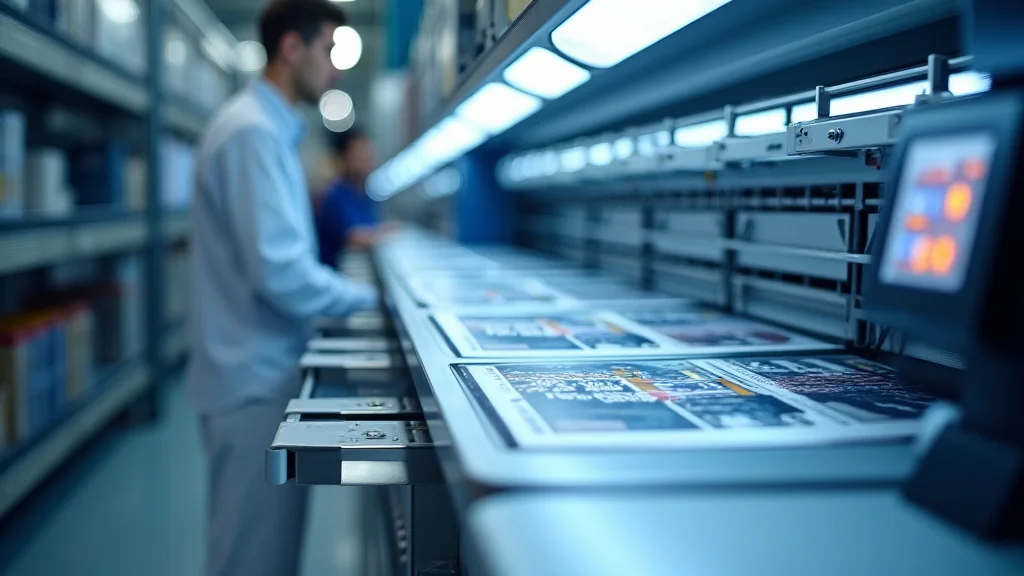
Remember that feeling of flipping through a newspaper, the smell of ink and paper filling the air? Perhaps it’s a distant memory, as many of us get our news online. However, the printing news industry is far from dead. It’s constantly adapting, innovating, and finding new ways to connect with audiences. This post will explore the current state of printing news, highlighting emerging trends and exploring the future of print in a digital world. You’ll gain a better insight into how the industry works and the technologies shaping its landscape, potentially improving your awareness of media consumption and how information reaches your eyes. Let’s explore!
Key Takeaways
- Explore how current printing technologies are impacting the speed and quality of news publications.
- Discover the financial factors influencing the print news market.
- Examine the growing role of sustainability and green practices in the industry.
- Learn about the shift towards personalized and targeted content.
- Understand the changing reader behaviors in the digital era.
- Explore how print is being incorporated with digital platforms.
The Current State of Printing News
The landscape of printing news has changed significantly. While the rise of digital media has posed a challenge, print is far from obsolete. Many newspapers and magazines continue to thrive, adapting to the changing needs of their audience. They are constantly looking at improving their operations, from the way the news is written, the printing technology used, to how the publications are distributed to the reader. One thing is certain: they all have to find ways to compete with the ease and convenience of digital news sources. To this end, many publications are exploring new formats, incorporating interactive elements, and providing in-depth analysis to set themselves apart. This is a business that relies on delivering quality content, and has been the case for centuries.
Modern Printing Techniques
Printing technologies are key to the industry’s success. The adoption of new methods is crucial for increasing efficiency and quality. Over the years, there have been some major advancements that have been implemented, such as the move from older offset printing to newer digital methods. This evolution has enhanced the ability to produce high-quality, customized publications with greater speed. The combination of these technologies has helped reduce costs while improving the visual appeal of publications. The use of automation has also minimized the time required for pre-press processes, allowing for faster turnaround times and more flexibility in content updates.
- Digital Printing: Digital printing eliminates the need for printing plates, which results in quicker setup times and smaller print runs. It’s well-suited for on-demand publishing, personalized content, and shorter print runs.
- Offset Printing: Offset printing remains widely used for large print runs, producing high-volume news publications and magazines. It offers excellent print quality and is an economical option for publications with substantial circulation numbers.
- Hybrid Printing: Hybrid printing brings together digital and offset methods. This method enables publications to take advantage of the strengths of both systems, such as combining the speed and personalization of digital printing with the cost-effectiveness and quality of offset.
Digital printing has revolutionized the way news is produced by allowing for greater flexibility and personalization. With digital printers, news publications can easily adapt the content to different audiences, making each print run unique. Unlike traditional methods, digital printing doesn’t require printing plates, which reduces setup time and allows for faster turnaround. Moreover, digital printing’s efficiency shines in shorter print runs, making it very suitable for niche publications, special editions, or localized news content. The ability to print only what is needed minimizes waste and improves cost-effectiveness, contributing to sustainable practices within the sector. It offers a new level of responsiveness to readers’ evolving needs.
Offset printing is a long-standing technique, appreciated for its exceptional quality in high-volume print runs. This method involves transferring ink from a plate to a rubber blanket and then onto the paper, which ensures clear and sharp image reproduction. The technique is economical when dealing with publications that need a large circulation. Moreover, offset printing provides a wide range of paper choices and can accommodate special inks, improving the aesthetic appeal of a publication. The process requires a more elaborate setup compared to digital printing, which makes it less appropriate for shorter runs or quickly changing content. Despite the rise of digital alternatives, offset printing remains a practical option for producing print news.
Hybrid printing combines different methods to achieve optimal results. For example, it might use digital printing for color pages or for personalized sections, and offset printing for standard text and images. This approach provides the flexibility to meet the demands of diverse content requirements and production scales. Hybrid printing allows for the easy integration of variable data, which allows for personalization, without compromising the advantages of large-scale print runs. The blend of techniques improves the ability to balance cost, quality, and customization, making hybrid printing an important solution for the evolving needs of the print news industry.
Printing News Production Workflow
The production workflow of printing news involves a sequence of steps that combine editorial, design, and technical processes. This includes the collection of news content, editing, layout, and ultimately, the physical printing and distribution of the news publication. It demands precision, coordination, and the adoption of different technologies to ensure efficient output. From the moment a news article is written to when it reaches readers, the workflow is designed to maximize speed and minimize errors, whilst maintaining content quality. Understanding each step within the production process is crucial for producing publications of high quality. The production workflow of printing news is critical in producing the quality content that readers expect.
- Content Gathering and Editing: The process starts with journalists and writers gathering news stories, editing content, and preparing it for publication. Editorial teams verify facts, write headlines, and determine the overall tone and style.
- Design and Layout: The design team is then responsible for the visual aspects of the publication. Designers create layouts, insert images, and make sure that the final presentation is visually appealing and easy to read.
- Pre-Press and Printing: The prepared design is then transferred to a pre-press department, where it is refined for the printing process. This involves proofing, color correction, and the final preparation of printing plates or digital files. Printing is the actual production of the publication.
- Finishing and Distribution: The finished publications go through finishing processes such as folding, binding, and trimming. The final step is distribution to newsstands, subscribers, and other distribution points.
The content gathering and editing phase is where the core work of the printing news publication starts. Journalists and editors work together to source, review, and refine information for publication. Their job is to ensure that the content is factual, objective, and engaging, meeting the highest standards of journalistic integrity. This phase involves extensive research, fact-checking, and rewriting to make sure the final version is suitable for the publication. Editing includes the refinement of language, structure, and style to meet the publication’s standards and resonate with its target audience. The goal is to provide news that is both informative and understandable, prepared to keep the audience informed.
The design and layout stage plays a vital part in transforming written content into a visually appealing format. Designers create a layout that combines text, images, and other visual elements to produce a clear, easy to read, and aesthetically pleasing publication. Layout teams use tools such as Adobe InDesign to structure articles, headlines, and graphics in a logical manner that attracts and maintains the reader’s attention. Image selection, placement, and careful attention to typography are key parts of the design process. The goal is to improve readability and improve the impact of the content, which will encourage readers to engage with the news and information.
The pre-press and printing stages represent the stage where the design is prepared for physical production, transforming digital designs into physical copies. The pre-press phase involves proofing to make sure there are no errors, color adjustments, and the production of printing plates or digital files, which are essential for the printing process. The printing process involves utilizing these prepared plates or files to apply ink to paper, creating the pages of the publication. These processes demand accuracy and attention to detail to ensure that the final product is of high quality. Modern technology like computer-to-plate systems and advanced printing presses have enhanced the efficiency and accuracy of these stages.
The finishing and distribution stages include all of the steps needed to turn printed pages into ready-to-read news publications, and get them to their intended audiences. The finishing processes include folding, binding, and trimming the printed pages into their final form. After this, the publications are prepared for distribution, which involves the sorting, packaging, and shipping to various points like newsstands, postal services for subscribers, and other distribution channels. Effective distribution is critical to ensure that news publications reach their readers on time, which relies on logistics to maintain the time-sensitive nature of the printing news business.
Financial Factors in Printing News
The financial side of printing news is complex. The industry has to manage costs, attract advertisers, and find new revenue streams to ensure sustainability. Print is reliant on a combination of different revenue channels, including advertising, circulation, and digital subscriptions, all of which are managed to deal with financial challenges. The balance between these income sources is changing, as traditional advertising revenues decline and digital platforms gain importance. To stay relevant in a competitive market, news organizations are implementing strategies to adapt to new financial models, reduce operational costs, and discover new growth opportunities.
Advertising Revenue
Advertising revenue has been a major revenue source for news organizations for many years, but it’s changed significantly in recent times. The shift to digital advertising has greatly impacted the revenue generated from print publications. Many news organizations now depend on a mix of print and digital advertising. To stay competitive, print publications must adopt effective advertising strategies, which can involve a mix of pricing, targeting, and innovative marketing methods to draw in advertisers. Understanding and adapting to the advertising landscape is important to achieve sustained revenue.
- Print Advertising: Traditional print advertising, which includes display ads, classifieds, and inserts, has decreased. This decrease is due to competition from digital advertising, but print still provides value in terms of brand recognition.
- Digital Advertising: Digital advertising platforms, along with programmatic advertising, allow print publications to increase revenue, and enable precise targeting, and real-time performance tracking.
- Native Advertising: Native advertising integrates ads to match the content’s format and style, offering a better user experience and increased reader engagement. This form of advertising can be very efficient.
Print advertising refers to the traditional methods, such as display ads, classifieds, and inserts, that are found in printed newspapers and magazines. These methods, which have supported the financial stability of the industry, are becoming less common. Although print advertising has been affected by the shift to digital platforms, it still plays a vital role for brands looking to reach a specific audience. The advantage of print advertising is the ability to connect with audiences and provide a tangible, engaging experience that is important to brands. To remain competitive, news organizations should focus on offering targeted advertising options, creative ad formats, and a clear understanding of the value print offers in a multichannel advertising plan.
Digital advertising is a fundamental component of the contemporary printing news revenue model. With platforms, the ability to target very specific audiences, and track advertising performance in real time is possible. This allows publishers to customize advertising strategies and increase their effectiveness. Programmatic advertising, which automates the process of buying and selling advertising space, increases revenue and maximizes the value of digital ad inventory. The flexibility and detailed analysis of digital advertising makes it a powerful asset. To succeed, publications should combine print and digital strategies, making use of all resources to achieve sustained financial success in a highly competitive sector.
Native advertising is designed to blend seamlessly with the regular content of a publication, giving it a less intrusive feel. Advertisements are created to match the style and function of the articles, which creates a more enjoyable experience. By integrating ads into the content, it minimizes the disruption to readers. This strategy results in increased engagement and improved effectiveness of the advertisement. Native advertising also increases the reader’s interaction with the advertising material. To use it well, the advertising should provide value and be relevant to the reader’s interests. The growth of native advertising indicates the need to provide advertising that provides value to readers while generating revenue for publications.
Subscription and Circulation
Subscription and circulation revenue is critical to the financial stability of news publications. It is the core revenue stream. Digital subscriptions are becoming increasingly important for offsetting losses in print circulation. The management of subscription models, pricing strategies, and subscriber retention strategies is critical for publications. By providing high-quality content and a great user experience, news publications can boost reader loyalty and revenue.
- Print Subscriptions: Print subscriptions offer a reliable revenue stream. They allow publications to build a loyal audience and predict revenues with more certainty.
- Digital Subscriptions: Digital subscriptions are crucial for news organizations. They provide access to content via digital platforms, which expands their reach, and gives an additional revenue stream.
- Bundling and Partnerships: Bundling print and digital subscriptions, and forming partnerships with other services and content providers can improve the overall value proposition. This is a method to improve subscriber numbers.
Print subscriptions have always been very important for printing news. They provide a reliable source of income and provide the foundation for building a dedicated audience. A subscription model offers publications the ability to predict revenue, which is important for financial stability. This model guarantees a steady stream of revenue, which facilitates long-term investments in content creation and other areas. The strength of print subscriptions is reliant on providing readers with content and a consistent, high-quality experience. The ability to increase subscriptions will have an impact on the long-term success of the business. The aim is to create a loyal subscriber base.
Digital subscriptions are very important for the financial survival and development of news organizations. They offer access to content on digital platforms. This includes websites, mobile apps, and other online channels. This helps news outlets to improve their reach and get more revenue from new avenues. A well-executed digital subscription strategy will attract a wider audience. To stay competitive, publications are adopting methods such as paywalls, tiered subscription models, and premium content to provide readers with value and increase subscription numbers. The transition from print to digital models is a key focus for news organizations. The success of digital subscriptions shows the significance of reaching audiences in new ways.
Bundling print and digital subscriptions provides readers with combined services and advantages. This strategy improves the overall value proposition. By bundling the content, publishers can increase the appeal of subscriptions and provide more options. Partnerships allow publications to combine their content with different services or content providers. These partnerships can improve the subscriber experience and increase the value of the subscription. Bundling and partnerships are successful because they allow publications to offer greater value and broaden the appeal to a wider audience. Strategic collaborations are helpful to the growth of revenue streams and to the long-term sustainability of news organizations.
Sustainability and Green Practices
Sustainability is becoming very important in the printing news industry. As public awareness of environmental issues increases, publications are implementing new practices to minimize their environmental impact. This includes everything from the sourcing of paper to the management of printing processes, and waste management practices. These efforts show a commitment to environmental care. The adoption of green practices is not only about protecting the environment, but it can also improve brand image and draw in environmentally conscious readers.
Eco-Friendly Paper and Inks
The selection of eco-friendly paper and inks is fundamental to making printing news more sustainable. Publications are choosing recycled paper and paper from sustainable forests to lower their environmental impact. They are using vegetable-based inks, which are less harmful, to improve their sustainability. This shift helps reduce the carbon footprint and minimizes the release of harmful chemicals, and it ensures that the printing process aligns with eco-friendly objectives.
- Recycled Paper: Using recycled paper reduces the demand for virgin pulp. This helps conserve forests and reduces the energy needed to produce paper.
- Sustainable Forestry: Choosing paper from sustainably managed forests ensures that forests are protected and trees are harvested in a responsible way. This protects biodiversity and helps maintain the ecosystem.
- Vegetable-Based Inks: Switching to vegetable-based inks reduces the emissions of VOCs and lowers the environmental impact of printing. These inks provide excellent color reproduction.
Using recycled paper helps the print industry to minimize its environmental footprint. By using recycled paper, the need for virgin pulp, and the impact of timber harvesting on forests, is greatly reduced. The manufacturing of recycled paper demands less energy and water compared to producing paper from virgin materials. Recycled paper also helps reduce waste. The use of recycled paper demonstrates the industry’s dedication to sustainability. This helps to conserve resources and encourage responsible environmental behavior. It is one of the most visible ways to show your commitment to the environment.
Sustainable forestry practices are used to ensure the long-term health and productivity of forests. By selecting paper that comes from forests with sustainable management practices, publications support biodiversity and preserve ecosystems. Sustainable forestry involves different measures, such as responsible harvesting, reforestation, and forest management. This is designed to preserve natural resources. By supporting certified sustainable forestry, printing news organizations can show their commitment to environmental responsibility. They are using methods that reduce their negative effects, while also supporting eco-friendly practices.
Using vegetable-based inks shows a dedication to sustainability in the printing process. These inks are made from renewable resources like soybeans, which decreases the industry’s reliance on petroleum-based products. Vegetable-based inks produce less volatile organic compounds (VOCs) than traditional inks, which helps improve air quality and minimizes environmental harm. The inks also provide good color reproduction and print quality. The move to vegetable-based inks shows the industry’s shift toward environmentally friendly methods. They are trying to reduce emissions and increase the sustainability of printing processes. The result is the improvement of the printing practices.
Waste Reduction and Recycling
Implementing effective waste reduction and recycling programs is crucial for sustainability. News organizations are implementing measures to minimize waste at all levels of production. This includes recycling paper and reducing materials. The goal is to reduce the volume of waste sent to landfills and decrease the environmental impact of the printing process. Strong waste management methods are important for reducing the industry’s environmental footprint and show a dedication to environmental protection.
- Minimizing Waste: This includes careful planning of print runs, reducing paper waste, and maximizing efficiency in the printing process. The aim is to reduce excess materials and improve efficiency.
- Paper Recycling: Paper recycling programs involve collecting and processing used paper products to make new paper. This closes the loop. It lowers the need for virgin pulp and reduces the amount of waste sent to landfills.
- Ink and Chemical Management: Proper management of inks and chemicals, including safe handling, storage, and disposal, prevents pollution and protects the environment.
Waste reduction is achieved through careful planning and by minimizing the use of materials during the production process. Efficient print runs, and accurate forecasting of circulation numbers, can prevent excessive paper waste. Publications can implement more efficient layouts, and optimize the use of paper, to reduce waste. Digital proofing, and color correction methods, reduce the waste from test prints, and by recycling and reusing materials when possible, it further reduces environmental impact. Minimizing waste not only benefits the environment but also can improve the financial performance of printing news operations. It shows a dedication to reducing resources.
Paper recycling is a fundamental component of the printing news industry’s sustainability efforts. Recycling programs involve collecting used paper products, which are then processed and transformed into new paper products. This is key to conserving forests and reducing the reliance on virgin pulp. Paper recycling also reduces the amount of waste sent to landfills. It reduces the energy consumption and water needed for paper production. By actively supporting and participating in paper recycling programs, publications demonstrate their dedication to environmental responsibility, and encourage eco-friendly habits within the industry. This is beneficial both environmentally and economically.
Proper management of inks and chemicals protects both the environment and human health. This involves the safe handling, storage, and disposal of all the materials used in the printing process. Adopting this practice prevents chemical contamination of land and water resources. The use of eco-friendly inks, and reducing the use of harmful substances, will have a positive impact on both the environment and the health of the workers. Implementing proper chemical management procedures, and adhering to environmental regulations, is critical to ensuring the responsible operation of a printing facility. It demonstrates that the industry is committed to environmental protection.
Personalization and Targeted Content
Personalization and targeted content are changing the way news is produced and delivered. Readers have come to expect news that is relevant to their interests, which makes publications cater to individual preferences. The use of data analysis, reader behavior, and new technologies is assisting news organizations in creating customized content. This shift improves reader engagement and enhances the value of the publication.
Data-Driven Insights
Data-driven insights are critical for printing news. Analyzing reader behavior, preferences, and demographics enables news organizations to create personalized content and adapt to the specific interests of their readers. The use of data helps improve content production, marketing tactics, and subscription models, allowing news organizations to become more responsive and targeted in their approach. Data analysis is key to improving the relevance of news to the reader.
- Reader Behavior Analysis: Tracking reader behavior online, by analyzing the articles they read, the time spent on pages, and the user’s online activity, provides insights into content preferences.
- Content Personalization: Using reader data to tailor content, recommendations, and news feeds makes the experience more relevant and appealing. This ensures readers see the most relevant articles and topics.
- Targeted Advertising: Using reader data to provide targeted advertising improves the performance of ad campaigns and the value for advertisers. The advertising is designed to appeal to the reader.
Analyzing reader behavior involves closely watching how readers interact with a publication’s online content. Tracking elements, such as the articles viewed, the time spent reading each article, and all activity on the website, gives valuable insights into readers’ content preferences. This data allows news organizations to understand what types of stories are the most engaging, what subjects attract the most interest, and which content formats readers prefer. This insight is essential for producing personalized content, making improvements to website design, and adapting content production to match readers’ requirements, which in turn improves user engagement and encourages readers to stay on a website. Data analysis enables publications to produce content that meets audience needs.
Content personalization involves using data to customize what readers experience when they visit a news website. This could include personalized content recommendations, customized news feeds, and personalized article suggestions. This ensures that readers see articles and topics that align with their interests. By tailoring the content to individual preferences, publications make the reading experience more engaging and relevant, which enhances reader satisfaction and encourages more use of their platforms. Personalized content may increase the time spent on a website. It is an effective way to attract and keep readers. It shows that the publication understands the readers’ needs.
Targeted advertising involves using data collected about readers to provide advertisements that are relevant to their interests, demographics, and online activity. The goal is to provide ads that are appealing to the reader. This targeted method boosts the impact of advertising campaigns. Advertisers are more likely to reach their target demographic, improving the likelihood of a conversion, and improving the return on advertising spend. Targeted advertising is also beneficial to readers, as it means they will see advertisements that match their interests. By understanding data analytics, printing news organizations improve revenue for advertising, while enhancing the reader experience.
Customized Content Formats
Customized content formats help to improve reader engagement and provide value to readers. News organizations are exploring new formats, such as personalized newsletters, interactive content, and special editions, to meet different readers’ interests. This shows a dedication to providing news in formats that appeal to reader preferences and to remain relevant in a competitive media environment. These changes demonstrate the industry’s ability to evolve and adapt to the changing preferences of its readers.
- Personalized Newsletters: These newsletters can be sent directly to subscribers’ inboxes, featuring content chosen to match individual interests.
- Interactive Content: Interactive features, such as quizzes, polls, and data visualizations, engage readers and improve their involvement with news.
- Special Editions and Supplements: Creating special editions, such as commemorative issues, or custom supplements focused on certain subjects, meets specific reader interests and expands revenue possibilities.
Personalized newsletters provide a convenient method of delivering news directly to subscribers’ inboxes. The content is carefully selected to meet individual interests, which offers a relevant and engaging experience for each reader. The newsletters are customized based on the reader’s behavior, preferences, and the topics they show interest in. This strategy improves reader engagement, as it offers a selection of content suited to individual tastes. They also give news organizations a method to connect directly with subscribers and encourage loyalty. Tailored newsletters are an effective method for providing value to readers, and improving the distribution of content.
Interactive content includes elements like quizzes, polls, and interactive data visualizations. This encourages readers to engage with the news content actively. Interactive features invite readers to participate by answering questions, expressing opinions, and studying visual data in a hands-on method. These features improve reader engagement. They also give readers a deeper grasp of the information. Interactive content offers a unique experience that helps news organizations stand out from traditional news delivery methods. They encourage increased time spent on a site, encourage social sharing, and ultimately improve the appeal of the publication.
Special editions and supplements meet the specific interests of readers. They are published with a certain theme. These publications may feature commemorative issues that highlight historic events. These features provide more depth to a certain topic. Special editions attract loyal readers. They also provide chances to collaborate with advertisers, which expands revenue streams. They improve reader loyalty by offering in-depth coverage and increasing engagement. These tailored offerings assist news organizations to differentiate from general news providers. They also allow them to meet the diverse needs of readers.
The Future of Printing News
The future of printing news is likely to be shaped by innovation, digital integration, and a focus on meeting readers’ needs. The industry must continue to adapt. This includes adopting new technologies, improving content offerings, and finding new strategies to interact with audiences. Those news organizations that adopt these methods are more likely to thrive in the changing media market. It is also important to consider emerging trends and how they may affect the future of printing news.
Integrating Print and Digital
Print and digital integration is key to the future of the printing news. Many news organizations are adopting a multichannel approach to distribute news and interact with their audiences. This includes creating unified content strategies, digital platforms, and the incorporation of print materials that enrich the overall user experience. This strategy shows a commitment to offering news to readers in a method that meets their needs, which is important for long-term sustainability.
- Unified Content Strategies: Creating content that is presented across all channels, improving brand consistency, and providing a cohesive user experience across all platforms.
- Digital Platforms: Using websites, mobile apps, and social media, to increase the reach of print publications, and give readers access to additional content and features.
- Enhanced Print Features: Adding QR codes, augmented reality, and other technologies to print publications that connect readers to digital content. This adds an extra dimension of interactivity.
Unified content strategies are designed to ensure consistency in the way news is delivered on all platforms. This method includes the creation of a consistent brand voice, style, and content, which is presented across print, online, mobile, and social media. Using a unified method, news organizations increase brand recognition and offer a cohesive user experience for readers across all platforms. To achieve this, publications utilize editorial teams, and technologies, to effectively manage content, and improve consistency. Unified strategies are vital to meet readers’ changing preferences and to improve the overall engagement of a publication.
Integrating digital platforms such as websites, mobile applications, and social media channels is crucial to expand the reach and value of printing news. Digital platforms are designed to make it easy for readers to stay connected. Websites and mobile apps provide a home for the publication’s content, allowing readers to read articles, browse images, and interact with multimedia elements. Social media platforms promote content and connect with new readers. Digital platforms provide many advantages, including real-time updates, audience interaction, and a method of gathering user data to personalize content. These digital platforms expand the reach of print publications, provide readers with added value, and assist news organizations in meeting a wide array of audience needs.
The incorporation of digital elements helps to enhance the experience of print publications. QR codes, allow readers to quickly access extra information online, which expands the printed content. Augmented reality (AR) technology lets readers point their smartphones at the printed page, and then view 3D models. These interactive features are designed to improve engagement and attract a digital audience. This allows the publication to blend digital and print content, offering new insights, multimedia elements, and interactive experiences. The incorporation of digital features shows the industry’s ability to adapt. Publications are providing readers with more choices and improving the overall value of their content.
Emerging Trends in Printing News
Several developing trends are poised to change the printing news industry, from the rise of specialized content to the utilization of artificial intelligence (AI). This includes examining the use of innovative technologies, reader interaction, and how print news organizations can adapt to changing times. These trends show how print can remain relevant, and offer a valuable experience for readers in a fast-paced environment.
- Niche Publications: The rise of niche publications focused on specific interests, such as lifestyle, culture, and special interests, satisfies the diverse demands of readers.
- AI and Automation: The use of AI and automation in editorial workflows, content production, and distribution, is improving efficiency and reducing costs.
- Subscription Models: Subscription-based models are the core of revenue, with a focus on providing value-added content, an improved reader experience, and different subscription choices.
The rise of niche publications is meeting the diverse interests of readers. They are focused on specific topics, interests, and reader bases. These publications cover a wide range of subjects, like lifestyle, culture, and hobbies. These specialty publications, by focusing on very specific interests, have the ability to go deep into subjects and provide specialized content. They attract a loyal audience. They also offer opportunities for targeted advertising. This model contrasts with the general news, and has been a very effective way to meet the changing media consumption habits. They also meet the demand for unique content, and contribute to the wide range of content options available.
The application of artificial intelligence (AI) and automation is changing the way news is produced, managed, and distributed. AI tools are being used in all areas of the business. Automated systems help in the content creation process. The use of AI provides assistance in researching articles, checking facts, and even creating some articles. Automation streamlines the editorial workflow. They reduce costs, and improve efficiency. AI technologies help to personalize content by analyzing reader behavior. AI’s role is set to grow as publications try to maximize productivity and meet changing reader preferences. The changes are expected to greatly transform the printing news industry.
Subscription models are the core of revenue for printing news organizations. These models help to provide consistent financial support. This method emphasizes providing value-added content, which includes exclusive articles, in-depth reports, and extra content. News organizations are providing subscription options, from digital to bundled packages. News organizations can attract and keep subscribers, with premium content. To stay competitive, publications are focusing on offering a great reader experience. They are focused on making sure their content satisfies readers. They also focus on strategies such as personalized content, easy navigation, and mobile-friendly access.
Common Myths Debunked
Myth 1: Print is Dying
Many believe that print is dead, replaced by the convenience of online news. However, this is not entirely true. While digital consumption is growing, print continues to have its place. Some prefer the tangible experience of reading a physical publication. Print is a more reliable and lasting medium. The industry has shown resilience, adapting to survive in the digital age. Print offers unique advantages, such as the ability to generate a lasting impression. Print’s ability to evolve and integrate digital features ensures it will remain relevant. These developments show that print is changing, rather than dying.
Myth 2: Print News Is Too Slow
It’s often thought that print news is slow, with online news offering instant updates. Print publications often have a longer production cycle, which delays news delivery. However, print can offer in-depth analysis and curated content, making it beneficial to readers. Digital platforms provide breaking news, print delivers more in-depth reporting. Many readers value the in-depth reporting that they find in print publications. While print may not be the fastest at delivering news, it offers a more complete understanding.
Myth 3: Print Is Not Sustainable
Some feel that print is bad for the environment because of paper usage and waste. However, the printing news industry is putting in place different sustainability measures. Publications are using recycled paper, sustainable inks, and adopting methods that reduce waste. Many organizations are doing much to lower their environmental impact. By using eco-friendly practices, print publications can become more sustainable. The industry is reducing their carbon footprint.
Myth 4: Print News Is Only for Older Readers
There’s a belief that print news appeals only to older people, with younger generations preferring digital media. While it is true that many younger people prefer digital, there are still a lot of young readers who are committed to print publications. News organizations are adopting methods to meet the changing preferences of different demographics. They are using eye-catching designs and new content. The use of digital features, such as QR codes, has bridged the gap between print and online. The industry is proving that print can be successful, by adapting to readers’ preferences.
Myth 5: Digital News Is Always Free
The assumption that digital news is free is also inaccurate. Many news organizations use subscription models, paywalls, and other ways to monetize their online content. While some news is free, quality journalism often requires revenue to support its creation and distribution. Digital news provides benefits, but it also has costs. The move from print to digital models has made new methods of revenue generation important.
Frequently Asked Questions
Question: How is the industry changing to meet the needs of digital readers?
Answer: Publications are using digital platforms, mobile apps, and integrating digital features, to improve content, and improve the user experience. They are also utilizing data analytics to offer personalized content and relevant information.
Question: Can print survive in a digital age?
Answer: Yes. The printing news industry is still valuable. With its unique features, it can offer in-depth analysis and the experience of a tangible publication. Publications are adapting by combining digital methods.
Question: How can print news become more sustainable?
Answer: By using eco-friendly paper and inks, reducing waste during production, and putting in place recycling programs. Publications are taking different steps to decrease their environmental impact and improve sustainability.
Question: What is the main source of income for news publications?
Answer: It’s a combination of different streams, from advertising revenues, to digital and print subscriptions, as well as revenue streams. Publications rely on income from different sources.
Question: How are reader preferences impacting the content?
Answer: News publications use data analysis and reader behavior to offer personalized content, curated news feeds, and interactive content, which improves engagement and matches the preferences of readers.
Final Thoughts
The state of printing news is at a critical juncture. The industry has faced many difficulties. However, it’s also shown great resilience. Print news will not disappear. Instead, it will keep changing. By adapting to the requirements of the digital age, news organizations are discovering new ways to connect with readers. They are adopting new technologies, from modern printing methods to the use of data analysis. They are also implementing sustainability measures to help safeguard the environment. The industry is in a time of development and innovation. Print is now integrating digital elements to provide a more inclusive and interactive experience. The future of the print industry is promising. By focusing on offering high-quality content, adapting to changing audience habits, and increasing the value of content, printing news will stay relevant. Consider reading a print publication to understand the advantages. You can also explore local news. You can also subscribe to a magazine. These actions can help you to support a changing industry.