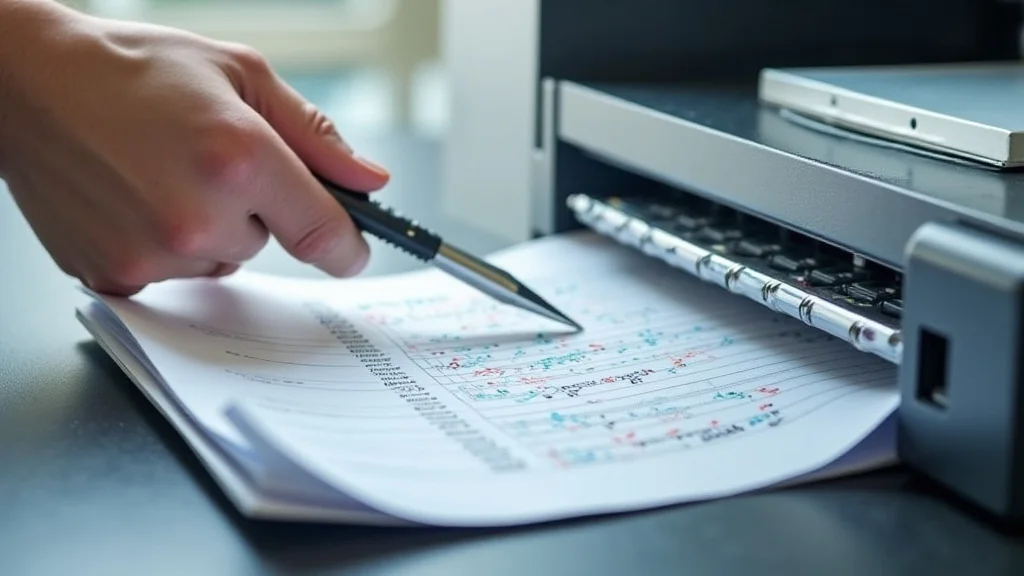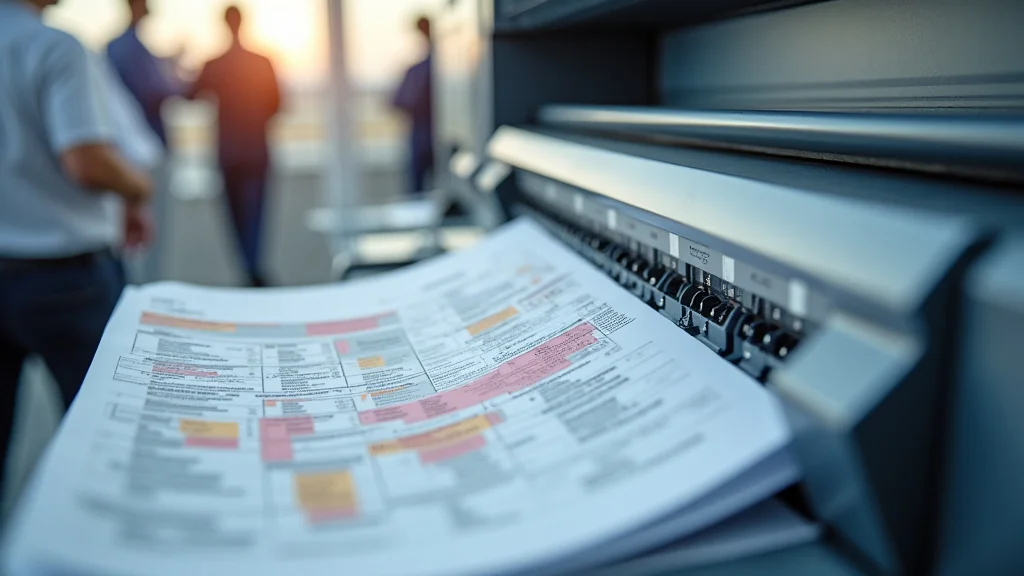
Picture this: you’re planning a big event in Nampa, Idaho, and you need professional-looking invitations. Or maybe you’re a local business wanting to create eye-catching flyers to attract new customers. Where do you start? Finding the right printing Nampa Idaho service is critical. This guide breaks down everything you need to know, from the different types of printing to how to choose the best option for your specific needs. You’ll gain valuable insights into choosing the best print service for your project, ultimately saving you time and money. Plus, you’ll learn the lingo, so you can sound like a pro!
Key Takeaways
- Discover the various printing methods available and their applications.
- Learn how to choose the right paper stock for your project.
- Understand the importance of graphic design in print quality.
- Explore the different finishing options to make your print materials stand out.
- Get tips on how to find a reliable printing service.
- Gain confidence when discussing your project with printers.
Unveiling Printing Methods in Nampa Idaho
The first step in any printing project is selecting the right method. This decision impacts cost, quality, and turnaround time. Each printing process utilizes different technologies and is suited for specific applications. Knowing the differences is key to getting the best results for your project, whether it’s a small batch of business cards or a large run of brochures. Different printing methods offer various advantages. Some are ideal for high-volume jobs, while others excel at short-run, high-quality printing. Taking the time to explore each option allows you to make an informed decision and ensure your print materials meet your expectations.
Digital Printing Basics
Digital printing is the go-to for smaller print runs and fast turnaround times. Think of it like a giant inkjet printer, using toner or liquid ink to transfer images directly onto paper. This method eliminates the need for printing plates, which can significantly reduce setup costs and lead times, especially when dealing with variable data or personalized content. Digital printing shines for items like business cards, flyers, and short-run brochures. You’ll enjoy the flexibility to make last-minute changes and personalize your materials.
- Speed and Efficiency: Digital printing allows for quick turnaround times, which is great if you need prints ASAP.
- Cost-Effective for Small Quantities: Digital is generally cheaper for small print runs because there are no plate setup costs.
- Variable Data Printing: Easily personalize each print with different names, addresses, or other specific information.
- High-Quality Color Reproduction: Digital printing produces vibrant colors and sharp images on a variety of paper types.
Offset Printing Explained
Offset printing, also known as lithography, is the workhorse of the printing industry, used for high-volume jobs that require superior quality and cost-effectiveness. The process involves transferring an image from a printing plate to a rubber blanket, which then rolls the ink onto the paper. This indirect method results in sharp, detailed images and consistent color reproduction. Offset printing is perfect for large print runs, such as magazines, books, and large quantities of brochures or posters. You get the best value for your investment when you need to print thousands or tens of thousands of copies.
- Excellent Image Quality: Offset printing creates sharp and detailed images, perfect for high-resolution graphics.
- Cost-Effective for Large Runs: The cost per unit drops significantly with higher volumes, making it ideal for bulk orders.
- Wide Range of Paper Options: Works well with a vast assortment of paper types and weights.
- Precise Color Matching: Offers superior color accuracy.
Specialty Printing Techniques
Besides digital and offset printing, numerous specialty techniques can elevate your print materials, making them stand out. These methods often involve adding texture, dimension, or unique visual effects. They are excellent for creating a memorable brand presence. Specialty printing options can include letterpress, which creates a tactile impression, or foil stamping, which adds a metallic sheen. Embossing and debossing can also be added, giving a raised or recessed effect to your design. These unique techniques add an extra layer of sophistication and value to your printed materials. They can transform an ordinary piece into a work of art.
- Letterpress: A classic technique that uses raised surfaces to create an impression on paper.
- Foil Stamping: Applies metallic or colored foil to paper using heat and pressure.
- Embossing and Debossing: Creates raised (emboss) or recessed (deboss) images on paper.
- Spot UV Coating: Adds a glossy, raised finish to specific areas of a print, highlighting important details.
Choosing the Right Paper Stock
The paper you choose is as important as the printing method. It affects the final look and feel of your printed piece. Different paper stocks provide different characteristics, from the weight and thickness to the finish and texture. Choosing the right paper can enhance your message and provide a professional appearance. Selecting the correct paper stock depends on the project’s purpose, budget, and desired outcome. Considering these factors ensures that your printing project will be both visually appealing and effective.
Paper Weight and Thickness
Paper weight is measured in pounds (lbs) or grams per square meter (gsm). A higher weight generally means a thicker and more durable paper. Understanding these measurements is key to selecting the correct stock for your project. A business card might use a heavier stock than a flyer to give a premium feel. Thicker paper is more resistant to tearing and creasing, making it ideal for items that undergo frequent handling, like postcards or menus. Lighter-weight paper is suitable for items like brochures and newsletters.
- 80 lb Text: Common for flyers and brochures, it’s lightweight and easy to fold.
- 100 lb Text: Heavier, provides a more substantial feel for brochures and catalogs.
- 65 lb Cover: Often used for business cards, postcards, and heavier flyers.
- 100 lb Cover: Very thick and rigid, used for high-end business cards and invitations.
Paper Finishes
Paper finish refers to the surface texture of the paper, impacting how it reflects light and how it feels to the touch. The finish you choose impacts the overall look and feel of your printed piece. From smooth, glossy surfaces to textured, matte options, each finish offers a unique aesthetic. The right finish can enhance readability, improve color reproduction, and add an element of sophistication. Considering the final product’s intended purpose and the design’s specific needs helps you determine the best paper finish.
- Gloss: Creates a shiny surface that makes colors pop and images look vibrant.
- Matte: Offers a smooth, non-reflective surface, ideal for readability.
- Satin/Silk: A balance between gloss and matte, offering a subtle sheen.
- Uncoated: Has a natural, rough texture, great for a more organic feel.
Sustainable Paper Options
Choosing eco-friendly paper options is becoming more vital. It demonstrates a commitment to environmental responsibility. There are many options available, including recycled paper, which is made from post-consumer waste, and paper certified by the Forest Stewardship Council (FSC). FSC-certified paper guarantees the product comes from responsibly managed forests. Using sustainable paper options minimizes the environmental impact and appeals to eco-conscious customers. This is also a fantastic way to enhance your brand reputation and attract clients who share your values.
- Recycled Paper: Made from post-consumer waste, reducing the demand for new trees.
- FSC-Certified Paper: Ensures the paper comes from responsibly managed forests.
- Alternative Fibers: Some papers are made from fibers other than wood, like bamboo or hemp.
- Soy-Based Inks: Use soy-based inks, which are biodegradable and reduce environmental impact.
Design’s Role in Quality Printing
Graphic design is critical for achieving high-quality print results. A well-designed layout, thoughtful use of typography, and high-resolution images are vital for making your project stand out. Even the best printing equipment can’t overcome poor design choices. Proper design ensures that your final product looks professional and conveys your message effectively. It will also capture the audience’s attention and leave a lasting impression.
Color Models and Resolution
Understanding color models and resolution is critical for achieving desired print results. The color model determines how colors are displayed, while resolution impacts the sharpness and clarity of your images. Using the proper settings can prevent unwanted surprises. Most printers work with the CMYK (cyan, magenta, yellow, and key/black) color model, which is different from the RGB (red, green, blue) model used for screens. Images should have a high resolution (300 dots per inch or DPI) to ensure crisp, clear prints. Proper attention to these details can make a significant difference in the final product’s appearance.
- CMYK Color Mode: Use CMYK for printing to ensure color accuracy.
- 300 DPI Resolution: Aim for 300 DPI for high-quality images.
- Bleed: Include bleed (extending the artwork beyond the trim lines) to avoid white edges.
- Proofing: Always review a proof to check for any color or design errors.
Typography and Layout
The choice of fonts and how text is arranged can greatly influence readability and visual appeal. Choosing the proper font style and size ensures your message is easily understood. A well-organized layout makes your content easy to follow. Effective use of white space, clear headings, and consistent formatting improves the overall look and readability. These design elements ensure the reader can easily engage with your printed materials and quickly understand the intended message.
- Font Choice: Select fonts that are legible and appropriate for your brand.
- Font Size: Use readable font sizes, typically 10-12 points for body text.
- White Space: Use white space to make your design less cluttered and easier to read.
- Alignment: Maintain a consistent alignment throughout your design.
File Preparation and Proofing
Preparing files correctly is vital for a smooth printing process. This includes ensuring your file is saved in the proper format (PDF is often preferred), that all images are high-resolution, and that the design includes bleed and crop marks. Always proofread your work before sending it to the printer to catch any errors. Reviewing a proof allows you to see how the final product will look and helps catch any issues. A careful process prevents costly mistakes and ensures the best possible outcome. Proper preparation will ensure a seamless printing experience.
- Convert to PDF: Convert your designs to a PDF for consistent formatting.
- Check Resolution: Check images for high resolution before submitting.
- Include Bleed: Ensure bleed is included to prevent white edges after cutting.
- Proofread Carefully: Always proofread the final product for errors.
Adding Finishing Touches
Finishing options can take your printed pieces to the next level, enhancing their aesthetic appeal and adding a professional feel. These finishing touches include options like folding, cutting, binding, and coatings. These elements can significantly impact the final presentation and functionality of your materials. Choosing the proper finishing touches, like a die-cut shape for a business card or a gloss coating for a brochure, can make a difference in your project’s ability to grab attention and increase its impact. They are a good way to boost your printing project and make it look professional.
Folding and Binding
Folding and binding are key finishing touches. These steps determine how your printed pieces are put together. Different folding styles, such as half-folds, tri-folds, and gate folds, create distinct layouts and enhance how the content is presented. Binding methods are used for books, magazines, and other multi-page documents. Options like saddle stitch (stapled along the spine), perfect binding (glued spine), or spiral binding (wire or plastic coils) impact both the usability and visual appeal of the final product. Understanding the different options can improve both usability and aesthetic impact.
- Half-Fold: Creates a simple two-panel layout.
- Tri-Fold: Commonly used for brochures, creating three panels.
- Saddle Stitch: Used for magazines and booklets; pages are stapled through the spine.
- Perfect Binding: Great for thicker books, uses adhesive to bind the pages and cover.
Cutting and Trimming
Precise cutting and trimming are critical for achieving professional-looking print materials. These processes ensure that your final product has clean edges and is the correct size. The accuracy of cutting and trimming directly affects the appearance of your final product. Precision cutting avoids ragged edges or uneven borders, which can detract from the overall look and feel. Trimming involves removing excess paper, ensuring that the final printed piece meets its specified dimensions. Cutting and trimming are essential to achieve that professional look.
- Die Cutting: Uses custom-shaped blades to create unique shapes.
- Guillotine Cutting: Used for straight cuts, like trimming brochures.
- Rounding Corners: Adds a softer look to cards and other items.
- Creasing and Scoring: Helps facilitate folding, especially for thicker paper stock.
Coatings and Special Effects
Coatings and special effects can add an extra layer of sophistication and visual appeal to your printed materials. Coatings, like aqueous coating, UV coating, and laminations, protect your prints and enhance their appearance, making colors pop and creating a professional feel. Special effects, such as foil stamping, embossing, and spot UV coating, add texture and dimension, helping your prints stand out. These finishing touches help to elevate your print products, making them memorable and impactful.
- Aqueous Coating: Provides a thin, protective layer with a matte or gloss finish.
- UV Coating: Offers a high-gloss finish for added shine and protection.
- Lamination: A protective film bonded to the paper, increasing durability.
- Foil Stamping: Applies metallic foil, often gold or silver, to create a premium look.
Finding Reliable Printing Nampa Idaho Services
Finding a reliable printing Nampa Idaho service is vital to a successful project. With many options available, choosing the right partner requires research and a bit of effort. Consider factors like experience, reputation, services offered, and pricing to find a printer that aligns with your needs and goals. When choosing a printer, it’s about more than just finding the cheapest price. It’s about building a relationship with a partner you can trust to deliver high-quality results. Making a good choice makes the entire process go more smoothly.
Research and Reviews
Thorough research and reading reviews is an excellent first step. Look for local printers with a strong reputation for quality and customer service. Reading reviews from previous customers gives you insights into their experiences. This includes their satisfaction with the quality of the prints, the timeliness of the project, and the professionalism of the service. Online platforms and social media are valuable resources for finding information. Always check a printer’s website for testimonials. By investing some time in researching your options, you’ll be more confident that you’re choosing a printer you can trust.
- Online Reviews: Check Google, Yelp, and other platforms for reviews.
- Portfolio Review: Review the printer’s website to check their past work.
- Ask for Referrals: Ask others in the industry for recommendations.
- Check Social Media: See how the printer interacts with its customers.
Comparing Quotes and Services
Comparing quotes from several printing Nampa Idaho services is an important part of the process. Request detailed estimates, ensuring they include all the necessary information, such as printing method, paper stock, finishing options, and turnaround time. This comparison process will help you assess the value and services offered by each printer. This also gives you the chance to compare prices. Consider the printer’s communication style and customer service. Do they respond quickly and offer helpful advice? Choose the printer that meets your needs and fits your budget. This approach can help you get great value for your money.
- Detailed Estimates: Request detailed quotes with itemized costs.
- Compare Services: Consider which printer offers the services you need.
- Turnaround Times: Ensure the printer can meet your project deadlines.
- Customer Service: Evaluate the printer’s responsiveness and helpfulness.
Communication and Collaboration
Open communication and collaboration with your printer are essential. Share your project requirements clearly, including design specifications, paper choices, and finishing preferences. A good printer will ask questions and offer recommendations to optimize your project for quality and cost-effectiveness. Discussing proofs and any necessary revisions will ensure you are satisfied with the final product. Establishing a good relationship with your printer and staying in regular communication helps the project stay on track. This helps create a smooth and satisfying experience.
- Clear Project Brief: Provide a detailed description of your project.
- Discuss Proofs: Approve proofs to check for any errors before printing.
- Ask Questions: Don’t hesitate to ask your printer for clarifications.
- Be Responsive: Respond promptly to any questions or requests from your printer.
Common Myths Debunked
Myth 1: All Printers are the Same
No, all printers are not the same! The quality of equipment, expertise, and customer service vary greatly between different printing services. Some printers may specialize in certain types of printing or offer unique finishing options that others don’t. Researching and finding a printer that specializes in your needs ensures you are getting the best results.
Myth 2: Cheap Printing Always Means Lower Quality
While extremely low prices may signal issues, it’s not always the case. Some printing Nampa Idaho services offer competitive pricing without sacrificing quality, because they have efficient processes. Comparing quotes, understanding the value offered, and checking reviews can help you find a printer that balances price and quality. Sometimes a printer will have a special on a specific product to gain your business.
Myth 3: Digital Printing is Always Faster Than Offset
Digital printing is generally faster for short runs. However, for large print volumes, offset printing can sometimes be faster, depending on the printer’s setup and efficiency. The number of prints you need affects the turnaround time. If you need 5,000 flyers, offset printing might be quicker due to its streamlined process.
Myth 4: Paper Choice Doesn’t Affect Print Quality
Paper choice has a big impact on print quality. The paper’s weight, finish, and texture affect how colors appear and how the final product feels. Choosing the right paper stock ensures your prints have the desired look and feel. For example, glossy paper makes colors pop, while matte paper is great for readability.
Myth 5: You Can Always Fix Design Issues After Printing
While some minor adjustments are possible, major design flaws can’t be fixed after printing. Proofreading your design and approving proofs is essential before printing. Making any changes or edits requires time and can increase costs. Double-check your designs before sending them off.
Frequently Asked Questions
Question: What’s the difference between digital and offset printing?
Answer: Digital printing uses toner or liquid ink for short runs. Offset printing is for large print volumes, using plates to transfer the image onto paper.
Question: What is bleed, and why is it important?
Answer: Bleed extends your artwork beyond the edge of the paper, ensuring no white borders after trimming. It is critical for a polished look.
Question: How do I choose the right paper for my project?
Answer: Consider the project’s purpose, desired look, and budget. Paper weight, finish, and color impact the final result. Consider your project’s function, like durability or aesthetic appeal.
Question: What file formats are best for printing?
Answer: PDF is generally the preferred format. It preserves the design elements.
Question: How do I check the quality of a printer?
Answer: Research reviews, check portfolios, and request samples. Assess their experience and their customer service to measure their qualifications.
Final Thoughts
Selecting the right printing Nampa Idaho service can seem complex, but by understanding the different methods, choosing the right paper, and ensuring your design is print-ready, you can make an informed decision. Remember that choosing a printer involves more than just price; it’s about finding a partner who understands your needs and is committed to delivering quality results. Thorough research, clear communication, and a focus on detail will help you get impressive results. Whether you need business cards, brochures, or any other printed material, taking the time to educate yourself and select the right partner can ensure a positive and productive printing experience. Good luck with your next project!