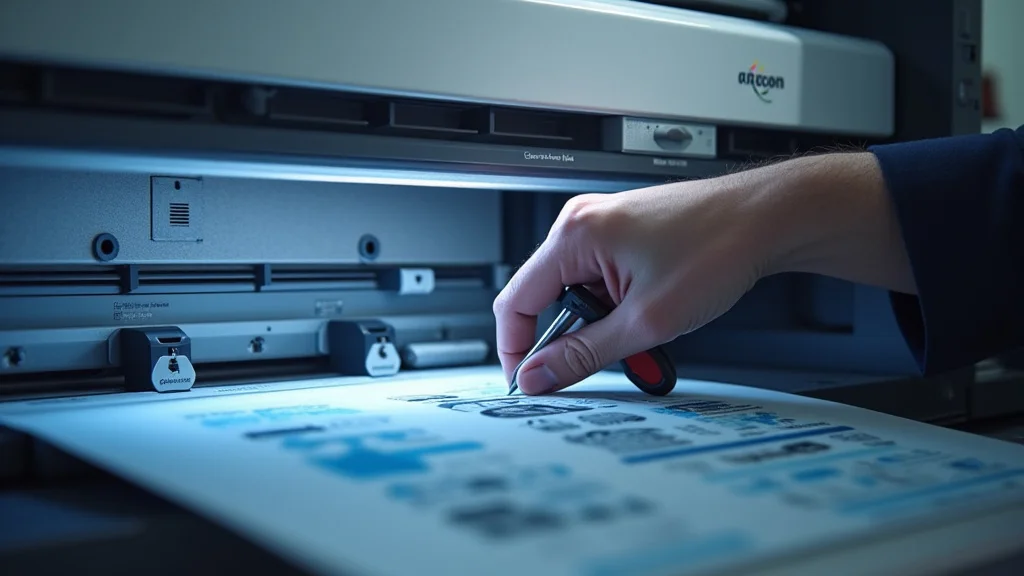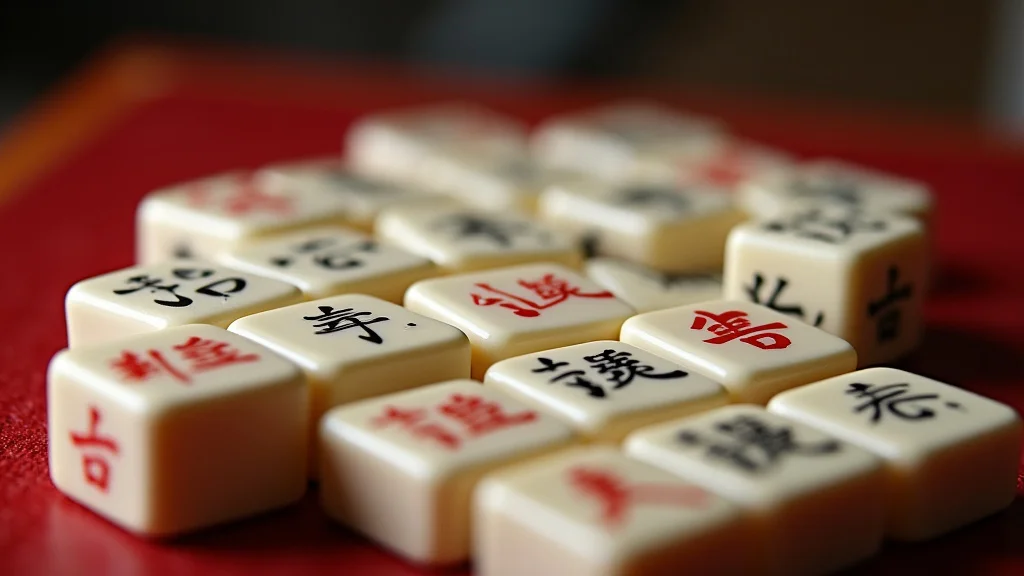
Picture this: you’re settling in for a friendly game of mahjong, the tiles perfectly arranged, anticipation hanging in the air. Then, you reach for the set, and something’s not right. The symbols are off, the colors are skewed, or perhaps some tiles are missing entirely. This, my friend, is the reality that can arise when a printing error disrupts a carefully crafted set of tiles, and recently, it’s caused quite a stir in the mahjong community. This post will explore the ripple effects of such errors, from the manufacturing process to the players’ experience, providing insights into how these mistakes impact the community and what players and manufacturers can do.
Key Takeaways
- Explore how printing errors can affect the quality and usability of mahjong sets.
- Discover the reasons behind printing error occurrences and the challenges they pose.
- Learn about the impact of these errors on players, collectors, and the overall mahjong market.
- Examine the importance of quality control in manufacturing and how it affects set longevity.
- Understand the various ways players react to such errors, from acceptance to frustration.
- Find out how these issues influence set valuation and the trade of unique sets.
The Anatomy of a Mahjong Set: What Can Go Wrong
The beauty of a mahjong set lies in its intricate details, from the carefully etched characters to the vibrant colors that bring each tile to life. The creation of these sets involves several steps, each presenting opportunities for things to go awry. Understanding the processes, from tile production to the final packaging, helps to grasp where potential errors can emerge. It also allows you to recognize how these flaws affect the overall value and enjoyment of the sets. The manufacturing can be complex. Errors can stem from a variety of sources, affecting the appearance and functionality of the set.
Tile Production: The Foundation
The journey of a mahjong tile begins with the raw materials, often plastic or bone, that are molded into the tile’s basic shape. Once molded, the tiles go through a critical stage: the application of the symbols and designs. This is typically done through a process of engraving or printing. The accuracy of this step is vital, as any misalignment, incorrect character, or color variation can significantly impact the set. Furthermore, quality checks must be rigorous to catch these flaws before they make their way to players. The durability and the material’s ability to resist wear also influences the lifespan of the tiles.
- Material Selection: The material impacts the tile’s feel and durability. Different materials such as plastic, bone, or wood, can provide unique textures and weights.
- Molding Techniques: The molding process must be precise to create uniform tiles. Imperfections in the molding can lead to uneven surfaces and irregular shapes.
- Engraving and Printing: This is the critical step where symbols are applied. Accuracy is important, with possible problems arising from improper alignment.
- Drying and Finishing: Post-printing stages that include drying and smoothing will require care to maintain quality. Uneven finishing can distort the tile’s appearance.
A poorly printed tile isn’t just a cosmetic problem; it can directly impact gameplay. For instance, a subtly misprinted character can be difficult to distinguish, causing confusion. The set’s aesthetic appeal and value are both diminished. The more common, mass-produced sets have a higher probability of errors, due to the speed and efficiency of the production. These factors make it essential for manufacturers to implement strict quality controls. Skilled artisans must monitor the entire process.
Color and Design: Adding the Flair
Colors and designs are what gives each mahjong set its distinctive personality. The colors add visual appeal, while the designs help in recognizing the tiles. A well-executed design enhances the play experience. A printing error that affects color or design can detract from these advantages. Consider the different types of errors that can disrupt this process. This includes incorrect color application, misaligned patterns, or even ink smudges. Such issues can significantly affect the visual appeal of a set. They may also affect its usefulness and worth.
- Color Consistency: Uniformity in color application across all tiles is key. Variations can make it tough to recognize tiles.
- Design Alignment: Perfect alignment of characters and symbols is vital. Any misalignment can result in confusion.
- Ink Quality: Using high-quality ink is essential for durability and clarity. Poor ink can fade or smudge easily.
- Drying Techniques: Proper drying prevents smearing or transfer of ink between tiles. Incomplete drying can affect the design.
The use of traditional methods and advanced technology in this stage varies. Some manufacturers use traditional hand-painted techniques. Others use advanced digital printing. The selection of the design greatly impacts the set’s aesthetic and historical significance. When flaws arise in these areas, the set’s perceived worth often declines. Collecting mahjong sets with unique flaws can be interesting. But such sets often require careful storage and care to protect them from further damage.
Packaging and Assembly: The Final Touch
The final stage in producing a mahjong set involves packaging and assembly. This is the last step before the product reaches the consumer. During this stage, sets are organized, packed into boxes, and prepared for shipping. This is also the last stage for quality control checks. The packaging protects the tiles from harm during shipping. Imperfections at this stage can be a sign of production problems. They also indicate a lack of care in the whole manufacturing process. A set might be deemed flawed even if the tiles are perfect. This can happen if the box or accessories are damaged.
- Tile Arrangement: The proper organization of tiles is important for a complete set. Missing tiles are a serious defect.
- Box Condition: The set’s box is important for both storage and presentation. Damage reduces its value.
- Accessory Inclusion: Ensuring that all necessary accessories such as dice and racks, are included is key. Missing accessories detract from the set’s completeness.
- Shipping Protection: Boxes must be packed with materials that prevent harm during shipping. Damage here can spoil the whole product.
The complete presentation of a set is essential for the player’s experience. A beautifully packaged set makes the product more desirable and improves the perceived value. In many cases, damaged packaging suggests that the set has been poorly cared for. Many collectors consider the box as an important element of the set. Defects in the packaging can sometimes decrease the set’s value. Attention to detail throughout the packaging and assembly process improves customer satisfaction. It protects the investment that customers have made.
Causes of Printing Errors: Why Mistakes Happen
Printing errors in mahjong sets can happen for many reasons, from machine malfunctions to human mistakes. Knowing these causes can help us better value and understand the impact of these errors. Different stages of the manufacturing process present unique risks. It is useful to understand what can go wrong.
Machine Malfunctions: Technical Troubles
Automated manufacturing processes are efficient but rely on machines that must be well-maintained. Machine malfunctions can have several effects, including misprints and color inaccuracies. These machines may require frequent adjustments or repairs. Problems can appear across all processes. This includes molding, engraving, and printing. Regular maintenance is key to minimizing errors.
- Printer Misalignment: Machines can misalign, causing characters to be printed off-center. Proper calibration is crucial.
- Ink Jet Problems: Ink jets can clog or malfunction, resulting in incomplete prints or smudges. Regular cleaning is a must.
- Molding Machine Issues: Machines that shape tiles might experience issues, resulting in irregular tile shapes. Quality control checks are important.
- Automation Failures: Any failure in automated steps can lead to product defects. Careful monitoring is necessary.
High-speed production frequently puts greater demands on machines. This makes them prone to errors. Such errors can lead to a considerable waste of materials and time. Implementing thorough quality control checks and preventative maintenance schedules are essential to minimize errors. Even in a modern manufacturing environment, machine failures can still cause errors. These failures underscore the necessity of human oversight.
Human Error: The Human Factor
Even with advanced machinery, the human factor can play a part in producing printing errors. Mistakes can happen at any phase, from design to production and quality control. These mistakes can come from various sources, including inadequate training and poor oversight. Training, attention to detail, and a commitment to quality are vital to reduce the possibility of human-caused errors.
- Design Errors: Mistakes in the initial design phase can lead to mistakes throughout production. Reviewing designs before printing is crucial.
- Production Oversight: Improper supervision can lead to mistakes being missed. Proper oversight is essential for quality control.
- Material Handling: Mishandling of materials can harm tiles. Following set procedures can prevent these errors.
- Quality Control: A lack of attention to quality control can cause defective sets to be released. Careful and diligent checking is important.
Human errors demonstrate the importance of training and management. Effective training and communication can help staff members avoid mistakes. Quality control, including random and comprehensive checks, can catch and fix these errors before a product is completed. Skilled employees help avoid such mistakes. It also helps to prevent defects from reaching consumers.
Material Issues: Flaws in the Foundation
The materials utilized in manufacturing mahjong sets can also lead to errors. The characteristics of the materials impact the final product. Using low-quality materials can produce flaws such as color fading or warping. Material issues are a significant contributor to defects in mahjong set production. These materials must be carefully selected and evaluated. This can improve the sets’ overall quality.
- Ink Quality: Low-quality ink can fade easily. Ink quality impacts the longevity and readability of tiles.
- Tile Material: Some materials, like certain plastics, are susceptible to warping. This can affect the way they feel and look.
- Adhesive Issues: Problems with the adhesive can lead to peeling of the printed design. Choosing high-quality adhesives is important.
- Dye Imperfections: Inconsistent dye mixes can result in variations in color. Quality control checks are necessary.
Working with premium-grade materials helps reduce the likelihood of product flaws. Testing materials, such as ink, before using them is important. This practice ensures that they perform as expected. Material selection and testing are both important for producing durable and high-quality sets. When a product is built with great materials, it lasts longer. This also helps reduce waste.
Impact on Players and the Mahjong World
Printing errors in mahjong sets can have wide-ranging effects, going beyond merely cosmetic defects. These issues can affect the players’ experience, collectors, and the overall mahjong market. Comprehending these effects highlights the significance of quality control and the value of accurate production.
Gameplay Problems: The Player Experience
Flawed tiles can significantly harm gameplay. Difficulties can range from minor annoyances to significant problems. Such errors can disrupt the flow of a game and affect the user experience. The usability and enjoyment of the set can be severely impacted by these issues. These problems affect both casual players and experienced players.
- Misidentification: Tiles with incorrect or unclear symbols are difficult to identify. This leads to confusion.
- Gameplay Interruptions: Frequent pauses and calls for clarification slow down the game. This frustrates players.
- Strategic Complications: Players can misinterpret tiles, affecting their strategy. Clear tiles are essential for good play.
- Reduced Enjoyment: The overall quality of the gameplay suffers. This reduces the enjoyment of the game.
The overall objective of the game can be frustrated by printing problems. The enjoyment of the game can be drastically reduced. The players’ attention shifts from gameplay to resolving issues. These problems affect the social aspect of mahjong. When players cannot play the game with clarity, their enjoyment decreases.
Collector’s Perspective: A Double-Edged Sword
Collectors can see printing errors in both positive and negative ways. Depending on the kind and severity of the mistake, an error can either improve or decrease a set’s value. Certain flawed sets are rare and become collector’s items. Others, however, are viewed as defective and hold no significant value. This perspective requires close examination of the nature of the error. Collectors often have different interests. This complexity makes it fascinating to collect mahjong sets.
- Rarity Value: Some errors make a set rare, increasing its value. This is especially true for unique, noticeable mistakes.
- Reduced Value: Large errors, especially those that harm playability, often decrease a set’s value. These are seen as flaws.
- Authenticity: Errors that are typical can show authenticity. This supports the set’s historical value.
- Set Condition: How a set is preserved has a big impact on its value. The presence of errors does not necessarily diminish this.
To evaluate a set’s worth, collectors must weigh the benefits against the drawbacks of printing flaws. Some errors are viewed as imperfections. These make the set more desirable. Other flaws undermine a set’s worth. Every collector has their criteria. Careful study of the context, type, and impact of the error helps assess a set’s worth. Collectors often assess how these imperfections will affect long-term enjoyment and value.
Market Impact: Supply and Demand
Printing errors can also affect the mahjong market’s dynamics. The presence of flawed sets can affect supply, demand, and pricing. These impacts include reduced manufacturing volume due to returns and customer dissatisfaction. These influences highlight the significance of quality control. They also highlight the market’s response to problems related to product quality.
- Product Recalls: Errors may trigger set recalls, thus reducing the market supply. This is a costly operation.
- Customer Sentiment: Bad experiences can hurt a brand’s reputation. This causes a fall in customer loyalty.
- Pricing: Defective sets might be discounted, affecting pricing strategies. This affects the product’s perceived worth.
- Market Confidence: Confidence in the mahjong market can decrease if quality control is poor. This might reduce the demand.
Manufacturers can manage the effects of printing issues. They can do so by strengthening quality control. They can also take steps to resolve problems and guarantee that the sets are of high quality. The market’s reaction also impacts future product decisions. By emphasizing quality and customer satisfaction, businesses can sustain the long-term success of mahjong sets.
Addressing Printing Errors: Solutions and Strategies
Addressing printing errors requires a multi-pronged approach that includes better quality control, improved manufacturing processes, and clear communication between producers and consumers. These strategies can lessen the negative effects of errors. They can also increase consumer satisfaction.
Enhancing Quality Control: A Key Defense
Strong quality control is essential for reducing printing errors. It ensures that any defects are discovered early. This process includes several phases of inspection. These phases also include thorough examination of materials and processes. Regular training can help employees identify and fix flaws before products are sent to consumers. Strong quality control leads to fewer defects.
- Material Checks: Testing materials, such as ink, is important before use. This makes sure that the materials function as they should.
- Process Monitoring: Close monitoring of the printing process can help spot any issues. Proper calibration is necessary.
- Inspection Protocols: Using detailed inspection protocols can detect mistakes. These checks should happen at different phases.
- Employee Training: Ongoing training programs should teach employees how to spot and fix errors. This also helps improve quality.
A rigorous quality control system is important for ensuring the production of high-quality sets. This includes using cutting-edge technology and skilled workers. A proactive approach helps prevent problems from occurring in the first place. The aim is to deliver mahjong sets of good quality to the consumers. This can improve customer satisfaction and increase the value of the sets.
Process Improvements: Streamlining Production
Improving manufacturing processes can considerably lessen the number of printing errors. This includes updating equipment, simplifying procedures, and using automation. These changes improve production efficiency and precision. It also improves product quality. The objective is to make the process more efficient and reduce errors. The improvements made can make the product better.
- Equipment Upgrades: Replacing old equipment with the latest technology can increase the accuracy of the process. This can improve the product’s overall quality.
- Workflow Optimization: Simplifying workflows and reducing steps help in minimizing errors. This also speeds up production.
- Automated Systems: Automation can reduce the number of human errors in the printing process. This helps in achieving uniformity.
- Regular Maintenance: Scheduling regular maintenance can ensure that all equipment is in good condition. This can prevent unexpected problems.
Improvements in the process help ensure that high-quality mahjong sets are produced. They help improve production efficiency. It can also help improve the durability and overall quality of the sets. Constant process improvement can contribute to a better outcome. This can benefit both manufacturers and players.
Communication and Transparency: Building Trust
Transparency and communication are important for building customer trust. Manufacturers can openly discuss printing errors, their causes, and how they resolve these problems. This includes responding to customer complaints and providing support. This kind of interaction helps to show that the company is devoted to quality. It also shows a commitment to customer service. Being open and clear in communication improves customer relationships.
- Clear Product Descriptions: Providing detailed product details, including potential flaws, is key. This helps consumers know what to expect.
- Customer Service: Promptly addressing customer issues builds trust. Excellent customer service ensures satisfaction.
- Error Reporting: Establishing a method for reporting errors helps identify issues. This also ensures prompt solutions.
- Feedback Gathering: Listening to customer feedback is important for making improvements. This helps improve both products and services.
Open and honest communication builds confidence and increases customer loyalty. It also encourages consumers to provide feedback. A customer-centric approach also helps build a strong reputation. It can also assist manufacturers in continuously improving their products and procedures. As the company shows its commitment to quality, it also reinforces its brand. This helps ensure both customer satisfaction and confidence in the product.
Common Myths Debunked
Myth 1: Printing errors are always a sign of a bad product.
While printing errors may indicate a problem with production quality, they do not automatically mean that a product is awful. The importance of the error depends on how serious it is, where it is located, and its impact on the set’s usability. Minor errors can be overlooked. Serious errors, however, can damage the user experience. Errors can also affect the set’s worth. A balanced assessment is necessary.
Myth 2: All defective sets are worthless.
Some flawed mahjong sets may actually be worth more, particularly if they have unique or uncommon errors. This can happen if the set is rare or if the flaws add to its history. The value depends on the kind of error. It also depends on how the market perceives these sets. The value of a defective set is determined by the collector’s taste and the set’s originality.
Myth 3: Quality control is always perfect in modern manufacturing.
Quality control systems have advanced, but they aren’t perfect. Errors can still happen. They can be due to machine malfunctions, human mistakes, or material flaws. There is always a risk involved. The goal of quality control is to minimize these risks. It is not possible to get rid of them completely. The process is always imperfect. It needs ongoing improvement.
Myth 4: The value of a mahjong set is just based on its condition.
While the condition of a set is essential, it is not the only factor that determines value. Factors such as a set’s age, rarity, design, and manufacturer also impact value. A set’s history and demand can affect its market value. A pristine set is worth more than a damaged one. But a rare set with minor flaws can still be more valuable. Collectors consider all of these factors.
Myth 5: Buying a defective set is always a bad investment.
Purchasing a defective set may be a good investment, depending on the error’s characteristics and the collector’s interests. Some errors add to a set’s originality. They can also enhance its worth. Investors should think about the set’s potential value based on its rarity. They should also consider its historical value. This means it is important to carefully examine the details before making a decision.
Frequently Asked Questions
Question: What do I do if I find a printing error in my new mahjong set?
Answer: First, contact the seller or manufacturer and let them know about the problem. Provide images and detailed descriptions of the errors. Depending on their policy, they may replace the set or offer a refund. You can also explore options to sell the set to collectors.
Question: How do printing errors affect the playability of a mahjong set?
Answer: Printing errors can affect playability in different ways. Some errors may make it tough to identify tiles, causing confusion during gameplay. Other errors may affect the clarity of the symbols, making it difficult to differentiate between tiles. These problems can lead to slower games and lower enjoyment.
Question: Are sets with printing errors more valuable?
Answer: Some sets with printing errors can be more valuable, especially if the flaws are unique or rare. These sets become collector’s items. Conversely, sets with significant errors that harm the gameplay are often less valuable. The value depends on the type, degree, and influence of the error.
Question: Can I fix a printing error on my mahjong tiles?
Answer: It is often difficult to fix a printing error effectively without causing more harm. Try to avoid making any changes. If the error is minimal, you can live with it. For more severe errors, think about contacting the manufacturer or seller for a replacement. Refrain from attempting to fix it yourself.
Question: How can I prevent buying a mahjong set with printing errors?
Answer: Before buying a mahjong set, look for high-quality sets from established brands. Check product descriptions and reviews to see if any users have reported errors. Ask the seller for more details or images of the set, particularly if you’re buying a used set. Thoroughly inspect the set when it arrives. Examine the tiles for any visible flaws.
Final Thoughts
Printing errors in the world of mahjong are more than mere imperfections. They’re a window into the manufacturing process, the dynamics of the market, and the experiences of players. From the production floor to the gaming table, such errors can have wide-reaching effects. While the occasional flaw is bound to surface, the best way to handle these challenges is through quality control, transparent communication, and an emphasis on customer satisfaction. To ensure a smooth playing experience and to boost the chances of owning a valuable set, always examine the set carefully before purchasing. Furthermore, familiarize yourself with the brand’s return policies. This can help you protect yourself from any possible flaws. By staying informed and engaged, the players and collectors can ensure that their mahjong sets bring joy for years to come.