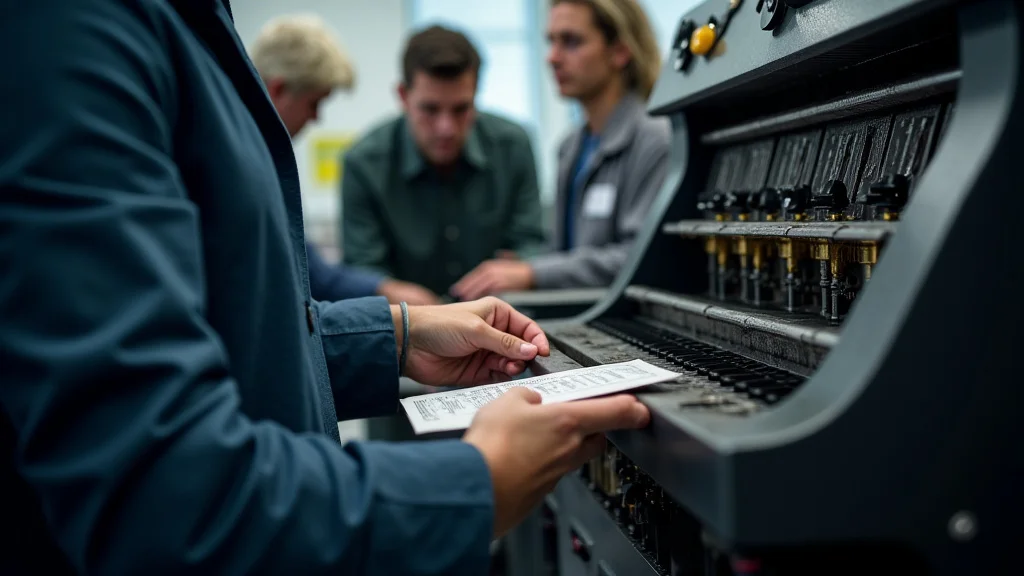
Remember the last time you saw a physical book, newspaper, or magazine? Chances are, you’ve encountered something created using a printing press. But what exactly is a printing press definition, and what is its role in shaping our history and everyday lives? This post explores the core of printing presses, how they work, the different types, and why they matter. By the end, you’ll gain a solid grasp of this technology and its lasting significance. You’ll also learn the differences between various press types and their impact on various industries.
Key Takeaways
- Understand the fundamental printing press definition and its purpose.
- Learn about the evolution of different printing press types throughout history.
- Discover how various printing methods work, like letterpress or offset.
- Explore the significant cultural and social impacts of the printing press.
- Examine the press’s current relevance in modern printing and digital media.
- Gain insight into the future of printing technology and its potential advancements.
Unpacking the Printing Press Definition: A Mechanical Marvel
At its core, a printing press is a mechanical device used to transfer ink onto a surface, creating multiple copies of text or images. This simple principle, however, has revolutionized information dissemination throughout history. Before its invention, books and other written materials were painstakingly copied by hand, making them expensive and inaccessible to most people. The printing press offered a much faster and more cost-effective method. It paved the way for mass communication, literacy, and the spread of knowledge.
The Core Components and Functionality
The functionality of a printing press relies on several key components that work together. These parts facilitate the transfer of ink onto a printing surface. Each part plays a critical role in the overall process.
- The Type or Printing Plate: This is the surface that carries the raised image or text to be printed. It can be made of various materials, depending on the printing method. In letterpress printing, this is usually composed of individual metal letters. In other methods, like offset printing, it is a plate made of aluminum or other materials.
- The Ink System: The ink system delivers ink to the type or printing plate. It might involve ink rollers that apply ink evenly or a fountain that feeds ink directly. The ink system is designed to provide the right amount of ink to the printing surface without oversaturating it.
- The Impression Cylinder or Bed: This part applies pressure to transfer the image from the plate to the paper. The pressure ensures the ink is properly transferred. It is a critical component for achieving quality printing.
- The Paper Feed System: The paper feed system moves the paper through the printing process. This involves a mechanism that feeds paper into the press and then removes the printed pages. This is automated in most modern presses, ensuring consistent and rapid processing.
The type or printing plate is the foundation for creating multiple copies. The careful selection and arrangement of this element are important for determining print quality and the types of materials. Modern presses use plates that can print thousands of copies before they wear out, contributing to their efficiency.
Various ink types are developed to meet the specifications of different types of presses. The choice of ink affects color, image quality, and print durability. The system must also be designed to maintain a consistent ink flow throughout the printing run. This guarantees that each copy is as clear as the first.
The impression cylinder or bed determines the quality of the final print. The amount of pressure can be adjusted based on the print material and the type of printing press. The balance of the pressure is also important for printing the images. Too much pressure can damage the plate or paper, while not enough will result in a faded image.
Paper feed systems are designed to accurately position the paper. They enable fast printing by feeding paper rapidly. Modern presses use sensors and other features to minimize errors, reducing waste, and improving the printing speed.
A Journey Through Time: The Evolution of Printing Presses
The history of the printing press is a story of continuous innovation. Beginning with rudimentary designs, the technology has evolved, driven by the desire for faster, more efficient, and higher-quality printing. These advancements made it possible to produce more books, newspapers, and other printed materials more quickly and affordably. The improvements also led to better image quality, allowing for the printing of complex images, illustrations, and photographs.
The Gutenberg Revolution
Johannes Gutenberg is credited with inventing the printing press with movable type in the mid-15th century. His innovation involved using individual, reusable metal letters arranged to form words and sentences. This method allowed for the mass production of books. Before Gutenberg’s invention, the process of hand-copying books was slow and expensive.
- Movable Type: Gutenberg’s use of movable type allowed for faster composition. He could rearrange the letters to print different pages or publications, a major improvement over carving entire pages into woodblocks.
- The Printing of the Gutenberg Bible: The Gutenberg Bible was one of the first major works printed using the new press. This landmark project showed the capabilities of the technology. It helped prove the press’s ability to produce high-quality work in large quantities.
- Impact on European Society: The printing press revolutionized European society by spreading knowledge. It helped fuel the Renaissance and the Protestant Reformation.
Gutenberg’s invention reduced the time required to produce a book. It made books available to a wider audience. He used a press to apply the pressure needed to transfer ink from the type to the paper. The press used a screw mechanism to apply even pressure.
The Gutenberg Bible showed that the press could compete with the craftsmanship of hand-copied texts. This helped establish the printing press as a significant cultural and commercial force. It paved the way for the printing of other works and spread literacy across Europe.
The ability to rapidly reproduce texts allowed ideas to circulate far more quickly. The printing press contributed to increased literacy rates, empowering individuals to access knowledge and participate in public discourse. Gutenberg’s press had a profound and long-lasting influence on the world.
The Development of Faster Presses
Following Gutenberg’s innovation, printing technology continued to develop. Inventors focused on improving speed and efficiency. They also developed new methods to make printing more practical. The development of faster printing methods was the result of the rising demand for printed materials.
- The Stanhope Press: The Stanhope press, created in the early 19th century, increased printing speed through improved mechanical design. It used a lever system to enhance the applied pressure, which made printing more efficient.
- The Koenig & Bauer Rotary Press: Invented in the early 19th century, the rotary press used a rotating cylinder to apply pressure, enabling much faster printing speeds. This was a critical step in the evolution of mass printing.
- Web Presses: Web presses, developed later, could print on continuous rolls of paper, significantly speeding up the process. This technology is commonly used for large print runs like newspapers and magazines.
The Stanhope press had a more durable and efficient design, leading to increased output. This was particularly beneficial for the printing of newspapers and other publications with high demand. The press represented an important step in the evolution of printing.
The rotary press was a groundbreaking development that drastically increased printing speed. This led to mass production. It greatly reduced the cost of producing books, newspapers, and other materials. Its design made printing faster and more efficient.
Web presses have automated the process of feeding paper. They enable high-speed printing and can handle large print runs. The system’s efficiency greatly reduced the time and labor required for printing, further accelerating the dissemination of information.
Exploring Different Printing Methods
Over time, various printing methods have been developed, each with unique characteristics and applications. These methods are designed to produce different quality results. These methods also cater to different budget needs, along with varying degrees of complexity.
Letterpress Printing
Letterpress printing is a relief-based method. It involves pressing inked, raised surfaces onto paper. It is among the oldest methods. Letterpress is admired for the quality of its print, particularly for its ability to create a tactile impression on the paper.
- How it Works: Letterpress uses a raised surface (type or a plate) to apply ink to the paper. The printer carefully aligns the type or plate. Pressure is then applied to transfer the ink.
- Advantages: Letterpress creates a unique, tactile feel, and is ideal for high-quality printing. It is known for its sharpness. The method is great for creating a premium feel for printed materials.
- Disadvantages: Letterpress can be slower and more expensive, particularly for large print runs, and requires specialized equipment and expertise.
The process involves carefully preparing the type and inking it evenly to create the best quality prints. The tactile impression and the sharp image quality that letterpress produces makes it popular for high-end printing. It is frequently employed for invitations and fine art.
The quality of the prints and the aesthetic qualities make letterpress desirable for a specific market. It is used to print stationery, business cards, and other items where quality is important. Letterpress prints also provide a distinct tactile experience.
The labor-intensive setup process and the use of specialized equipment make letterpress costly. The speed limitations also make it impractical for mass-produced materials like newspapers. Despite the appeal of letterpress, its use is limited to niche markets.
Offset Printing
Offset printing is a more modern method of printing and is now widely used in many applications. It uses a plate to transfer ink. The plate is coated with ink. The image is then transferred to a rubber blanket before it is applied to the paper. It is known for its versatility and cost-effectiveness.
- How it Works: An image is created on a plate and then transferred (offset) to a rubber blanket. The blanket then transfers the image to the paper. This indirect process results in sharp, high-quality prints.
- Advantages: Offset printing is highly versatile, capable of printing on a wide array of materials. It is also cost-effective for larger print runs. It’s a standard method for commercial printing, newspapers, and books.
- Disadvantages: Offset printing can be expensive for small print runs. It requires a longer setup time. These factors can limit its efficiency for low-volume projects.
This indirect transfer method makes offset printing very accurate, creating sharp images. It is known for its ability to print on a wide range of materials. Offset printing provides a quality output for a variety of projects.
Offset printing is more cost-effective for large quantities. It is able to reproduce complex images with precision and color accuracy. These features make it great for various printing projects.
The initial setup time and plate preparation can make it less suitable for smaller jobs. The process also requires highly trained personnel to operate. This adds to the cost of printing.
Digital Printing
Digital printing is the latest development in printing technology. It involves using digital files to directly transfer an image onto a substrate. It eliminates the need for printing plates, which makes it ideal for short print runs and personalized printing. Digital printing is characterized by its flexibility and speed.
- How it Works: Digital printing uses a digital file to transfer an image directly onto the paper. It uses technologies such as inkjet and laser printing. It removes the need for printing plates.
- Advantages: Digital printing is perfect for short runs. It also offers the advantage of personalization. It provides quick turnaround times, making it suitable for on-demand printing.
- Disadvantages: The cost per page can be higher than offset printing. The image quality, while improving, might not match the quality of offset for very detailed images.
The digital format enables easy adjustments to design and printing. This makes digital printing suitable for short runs and projects with variable data. The elimination of the plate step helps to streamline the process.
The method is ideal for print jobs that require custom changes, like variable text or personalized images. The speed of digital printing makes it very convenient.
The cost-per-page for a digital print is often higher than offset, making it less economical for extensive print runs. The quality of the print may not match offset printing for certain applications.
The Printing Press and Its Cultural Impact
The printing press’s effects have far exceeded its ability to copy text onto paper. The printing press has profoundly influenced cultural and social change. It facilitated widespread literacy. It encouraged the spread of information. It fostered new ideas, and it helped drive societal development.
- The Rise of Literacy and Education: The increased availability of books and educational materials was directly related to the printing press. The press’s role in making books available helped drive higher literacy rates. It also made knowledge more accessible to wider populations.
- The Spread of Information and Ideas: The printing press was instrumental in spreading information and promoting new ideas. It enabled rapid communication across regions and countries. This facilitated the exchange of thoughts and knowledge.
- The Shaping of Public Opinion and the Press: The printing press provided an essential tool for creating and spreading public opinion. It also promoted the development of media as a means for informing and influencing public discourse.
Literacy became a central part of cultural and social development. Increased literacy also led to an increased demand for printed materials, in a positive feedback loop. This created a cycle of growth and learning in society.
Newspapers, pamphlets, and books became essential for communicating concepts. The press helped foster scientific advancements, the spread of different religions, and the beginning of the Renaissance. The printing press was a catalyst for social change.
The printing press gave people access to news, commentary, and different perspectives. Newspapers and other publications became essential for forming public opinion. This became a vital element of modern society.
The Printing Press in the Modern Era
The printing press definition in the modern era is constantly evolving. Digital technology has transformed the industry. However, the basic principle of the printing press has remained, even as methods have evolved. The printing industry embraces new technology, from print-on-demand services to highly specialized digital machines. The industry continues to play a vital role in information and content dissemination.
- The Rise of Digital Printing: Digital printing has transformed the industry by providing the ability to print on demand. It allows for the production of personalized publications. This has made it more flexible and cost-effective for smaller runs.
- Integration With Digital Media: Today’s print operations integrate with digital media. Companies use digital platforms to offer online proofing. They allow for printing of materials to integrate with digital campaigns.
- The Role of Sustainability and Eco-Friendly Practices: The printing industry is turning towards eco-friendly practices. This involves using recycled materials, reducing waste, and using sustainable inks. This shows a commitment to environmental responsibility.
The development of digital presses enabled quicker print runs with variable data. It has also helped reduce waste and expand the market for printing services. It’s especially useful for custom print projects.
Printed materials often include QR codes or other digital components, to make the experience interactive. The goal is to provide a comprehensive and cohesive experience for consumers. Print operations today adapt to digital and web-based platforms.
Sustainable practices are becoming increasingly important in modern printing. They use recycled paper and soy-based inks to reduce the effect on the environment. Printing companies are adapting to create practices that reduce waste.
According to research, the global printing market size was valued at $814.99 billion in 2023. The industry is projected to reach $1.09 trillion by 2030, which shows the industry’s continued importance and growth.
Common Myths Debunked
Myth 1: The printing press is obsolete in the digital age.
The printing press isn’t obsolete. Despite the rise of digital media, printing remains essential for various functions. It is used in books, magazines, packaging, and marketing materials. There’s a persistent demand for printed media. Technology continues to evolve to suit modern needs.
Myth 2: All printing presses are the same.
Different types of printing press serve different needs. Letterpress offers high quality and a tactile feel. Offset printing offers versatility and cost-effectiveness. Digital printing offers speed and customization. Each method is used for different needs.
Myth 3: Printing is bad for the environment.
Modern printing embraces sustainable practices. It uses recycled paper, eco-friendly inks, and waste reduction methods. The industry is making efforts to reduce its environmental impact. This is done with the increased use of eco-friendly materials.
Myth 4: The quality of digital printing is inferior to offset printing.
Digital printing quality has improved, matching offset for many applications. For high-volume projects, offset can still provide a superior look. The best option depends on the requirements of the project. Advances in digital printing have increased quality.
Myth 5: Printing is only for large companies.
Small businesses and individuals use printing. Digital printing has made it affordable to print short runs. This has made printing a versatile tool. Printing services are readily available.
Frequently Asked Questions
Question: What is the main difference between offset and digital printing?
Answer: Offset printing uses plates and is great for large print runs. Digital printing uses digital files and is ideal for small, custom jobs.
Question: Can I print photographs on a letterpress?
Answer: Letterpress can print photographs, but it’s more challenging and costly. The process requires specialist skills and equipment.
Question: How has the printing press affected literacy rates?
Answer: The printing press helped increase literacy rates by making books and educational materials available to a wider audience.
Question: What is the benefit of a web press?
Answer: Web presses offer speed. They print on continuous rolls of paper, making them perfect for high-volume jobs like newspapers.
Question: Is there a future for printing?
Answer: Yes, the printing industry is developing. It integrates with digital media and embraces sustainable practices. The industry continues to be relevant.
Final Thoughts
The printing press definition goes beyond the mechanics of inking and pressing. It’s a key invention that changed society. From Gutenberg’s initial press to today’s digital printing, the technology helped share knowledge. Printing has transformed how information is generated, shared, and consumed. While the way we communicate has changed, the need for printed materials persists. Whether it’s books, packaging, or marketing materials, printing presses play a key role. Whether you are learning about letterpress, or the latest digital techniques, the printing press has left its mark on our history and will continue to shape our future. Explore the options and remember the impact that printing presses have had.