Remember Sarah and David? They spent weeks agonizing over every detail of their invitations, only to be disappointed with the final product. The paper was flimsy, the colors were off, and the text was blurry – a far cry from the vision they had. Don’t let this happen to you! Planning your wedding should be exciting, not stressful. This guide will walk you through everything you need to know about printing wedding invitations. You’ll learn how to choose the right paper, design, and printer, ensuring your invitations perfectly reflect your style and the importance of the event. By the end, you’ll feel confident in making informed decisions about printing wedding invitations and creating keepsakes you’ll be proud to send. This post aims to provide you with insights that improve your knowledge and reduce any concerns you may have about creating memorable invitations.
Key Takeaways
- Learn about different paper types and finishes suitable for wedding invitations.
- Discover the key aspects of invitation design, including fonts, colors, and layouts.
- Understand the different printing methods and their advantages and disadvantages.
- Get tips for proofing and avoiding common printing errors.
- Find out how to estimate costs and find a printer that fits your budget.
- Master the process of addressing and mailing invitations with professionalism.
Planning the Perfect Wedding Invitation Design
Your wedding invitations are the first glimpse guests get into your special day. They set the tone and reflect your personality as a couple. This means carefully considering the design elements, from the fonts and colors to the overall layout. A well-designed invitation is a pleasure to receive and builds anticipation for the celebration. The goal is to craft an invitation that’s both informative and visually appealing. Let’s explore the key elements to consider when planning your wedding invitation design.
Choosing Your Invitation Style
Before you begin, decide on a style that reflects you and your partner. Are you envisioning a rustic, romantic, modern, or classic wedding? The design should complement your wedding’s overall theme. For instance, a beach wedding might inspire a design with soft blues and sandy textures, while a formal ballroom event could call for elegant typography and rich colors. Consider your venue, the season, and your personal tastes. Research invitation styles online or in magazines for inspiration. Pinterest and Instagram are great resources for ideas. Look at different layout options, from traditional rectangular invitations to more unique shapes and folds. Selecting a style that aligns with your wedding’s vision early on is a valuable start.
- Rustic: Embrace natural elements like kraft paper, woodgrain textures, and twine accents. Use fonts that mimic handwriting.
- Romantic: Delicate script fonts, floral illustrations, soft pastel colors, and elegant embellishments, like ribbons, will create the right mood.
- Modern: Clean lines, bold typography, minimalist layouts, and a strong use of color. Consider geometric patterns or sleek, contemporary fonts.
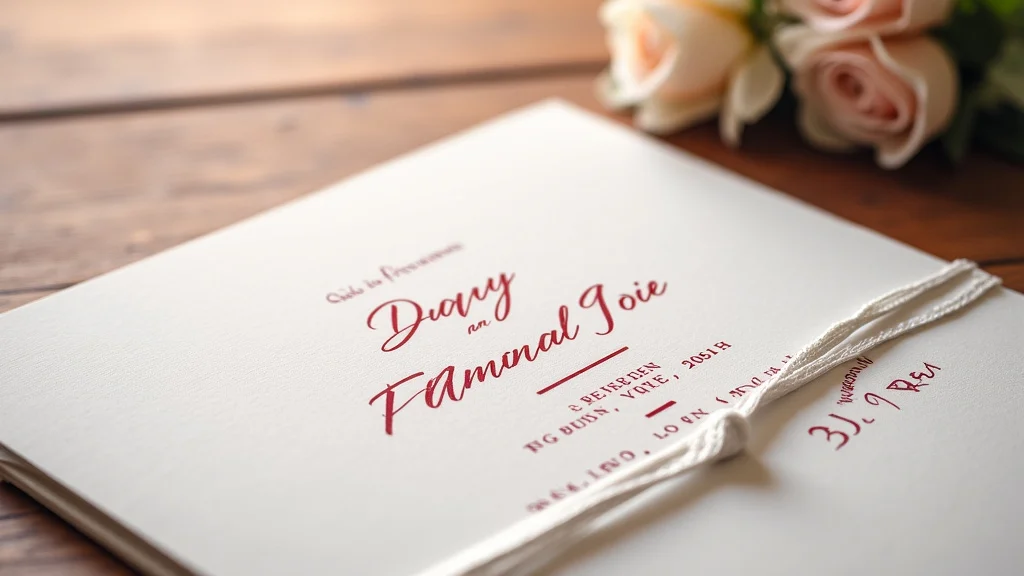
- Classic: Timeless and refined, often featuring formal fonts, traditional layouts, and a focus on elegance. Think ivory or cream-colored paper and elegant calligraphy.
Consider the information you need to include. The invitation must clearly state the names of the couple, the date, time, and location of the wedding ceremony and reception. Decide which details are essential and how to present them in an organized way. Too much information can make the invitation look cluttered, so focus on the essential details and relegate extra information to an enclosure card. It is also important to consider the size and shape of your invitation. Common sizes include A7 (5×7 inches) and square invitations. The size and shape will impact the cost of printing and postage, so plan ahead. You’ll also want to determine the layout to place the elements effectively.
Selecting Fonts for Your Wedding Invitations
The fonts you select can significantly affect the invitation’s overall feel. Choose fonts that complement the invitation’s style. For a romantic wedding, you might select a graceful script font for the names and a more readable serif font for the body text. For a modern invitation, a clean sans-serif font might be ideal. Limit the number of fonts you use to two or three at most. Too many fonts can make the invitation look messy and unprofessional. Consider the readability of each font, especially at smaller sizes. Avoid overly ornate fonts that can be difficult to read. Preview your fonts together to make sure they work harmoniously.
- Script Fonts: Graceful and elegant, often used for names and special phrases. However, ensure they are readable.
- Serif Fonts: Classic and refined, good for body text. They have small strokes, called serifs, at the ends of letters.
- Sans-Serif Fonts: Modern and clean, without serifs. They are often used for headlines or a more contemporary look.
- Font Pairing: Combine a decorative font (like a script) with a more readable font (like a serif or sans-serif) to balance the look.
When selecting fonts, consider the message you want to convey. Fonts can convey different emotions and styles, such as a playful font for a casual event or a formal font for a more traditional celebration. Think about what is readable for your guests. Conduct tests by printing the invitation with different font combinations to see how it appears. Ensure the fonts are easy to read from a distance. A combination of fonts that look good together is more likely to create an amazing invitation. Don’t be afraid to experiment to find the right combination that best reflects you.
Picking Colors for Your Wedding Invitations
Colors are essential in setting the tone. Your color palette should work well with the invitation style and your wedding theme. Start by selecting your primary colors, then add accent colors to enhance the design. Consider the colors of your wedding flowers, venue, and décor. This will create a cohesive look across your wedding stationery. Test the colors to ensure they print accurately. Printed colors can sometimes differ from what appears on your computer screen. Be aware of the paper color and how it affects the appearance of your chosen colors. Use a color chart or swatch to verify the appearance of your colors.
- Monochromatic: Using different shades of a single color. It creates a sleek, sophisticated look.
- Complementary: Pairing colors that are opposite each other on the color wheel. This creates a bold look.
- Analogous: Using colors next to each other on the color wheel. This offers a harmonious look.
- Neutral Base: Start with neutrals like white, cream, or gray and add a pop of color for accents. This will keep it simple.
Think about the emotional impact of each color. Blue often represents peace and tranquility. Red can convey excitement and passion. Green suggests nature and growth. Yellow can evoke joy and happiness. Consider the season and time of day. Pastels work well for spring and summer weddings. Rich, deep tones are better for autumn and winter weddings. Ensure the colors you choose work well together. Avoid color combinations that clash or make text difficult to read. Keep the contrast high between text and background colors for readability. This provides the best result and avoids any frustration for the people you are inviting.
Understanding Printing Methods for Wedding Invitations
Choosing the right printing method is critical for achieving the look and feel of your invitations. Different methods offer distinct advantages in terms of cost, quality, and customization options. From cost-effective digital printing to the luxurious feel of letterpress, each method has its place. Understanding the differences between these methods is key to selecting the one that best suits your needs and budget. Let’s explore the various options available for printing wedding invitations.
Digital Printing
Digital printing is a popular choice due to its affordability and flexibility. It involves using digital files to directly print onto paper, without the need for plates or setup fees. This is ideal for smaller print runs or when you need a quick turnaround time. Digital printing is excellent for detailed designs, photographs, and complex color schemes. However, keep in mind that the colors may vary slightly from screen to paper. Choosing digital printing is often a practical choice for most couples.
- Cost-Effective: Generally the most budget-friendly option, especially for small quantities.
- Fast Turnaround: Quick printing and production times, which are very useful when you need them.
- Variable Data: Easily personalize each invitation with different names, addresses, or custom messages.
- Color Accuracy: Modern digital printers offer good color reproduction, though it may not be perfect.
When selecting digital printing, you may want to ensure that your printer is using high-quality inks and papers. This will help to produce the best possible results. Take the time to request a sample print. This allows you to evaluate the quality of the print and the accuracy of the colors. If you plan to print at home, make sure your printer can handle the weight and type of paper you want to use. You’ll also want to make sure your printer is able to print edge-to-edge. This ensures the best results.
Letterpress Printing
Letterpress is a classic, luxurious printing method. This technique involves pressing raised letters or designs into the paper, creating a debossed effect. The result is a tactile, elegant invitation. Letterpress printing often uses thick, high-quality paper. While it is more expensive, it offers a distinct aesthetic appeal and timeless charm. It’s especially suited for simple designs. This is because the process can be more time-consuming and expensive. If you are looking for an invitation that is truly unique, letterpress is worth considering.
- Tactile Quality: Creates a unique impression on the paper that you can feel. This makes your invitation very interesting.
- High-Quality Materials: Often printed on thick, premium paper, which makes them feel luxurious.
- Timeless Appeal: Offers a classic, elegant look that never goes out of style.
- Color Limitations: Typically, it’s best for designs with one or two colors, which keeps costs down.
If you’re interested in letterpress, you may need to plan ahead. This printing method often requires more time than digital printing. Be sure to select a reputable printer specializing in letterpress. Ensure the printer has the experience and equipment to achieve the desired results. Due to the nature of the process, slight variations in color and impression are normal. This adds to the uniqueness of each invitation. This printing style will create a memorable invitation.
Other Printing Options
Beyond digital and letterpress, other methods can enhance your invitations. Thermography is a method that gives the printed text a raised effect. It’s less expensive than letterpress and can create an elegant look. Foil stamping adds a metallic finish to your invitations, making them look luxurious. The foil stamping comes in various colors, adding a touch of glamour. Offset printing is a high-volume printing method. This is useful for large quantities and can be more economical. Each method has its own set of advantages and price points. Research to determine the best approach for you.
- Thermography: Creates a raised effect, similar to letterpress, but is more affordable.
- Foil Stamping: Adds a metallic finish using foil, offering a luxurious look.
- Offset Printing: Suitable for large quantities, making it cost-effective for mass production.
- Engraving: A traditional method that creates a recessed design, ideal for formal invitations.
When selecting a printing method, consider the overall design and your budget. Thermography is a good option when you are wanting something elevated but may not have the budget for letterpress. The foil stamping is great for adding a touch of glamour. Keep in mind that more specialized printing methods often require higher setup costs and longer turnaround times. The offset printing method may be a great option for a large wedding. Review samples of each method to see how the final product will look. This will give you a better idea of the results to expect and if the method fits your needs.
Choosing the Right Paper for Your Wedding Invitations
The paper you choose is as essential as the design and printing method. The paper’s texture, weight, and finish can dramatically impact the invitation’s overall feel and appearance. From the crispness of a classic cardstock to the subtle elegance of linen, the right paper will elevate your invitation. It is critical to select a paper that complements the design and printing method. The correct paper will also make the invitations durable enough to survive the mailing process. Let’s look at the different options for paper selection.
Paper Types and Weights
Paper comes in a variety of types and weights, each with its own characteristics. The weight is measured in pounds (lbs) or grams per square meter (gsm). Heavier paper feels more luxurious and durable. Paper type affects how colors and details will appear. Choosing the correct weight and type is essential. This contributes to the overall presentation and feel of your invitations.
- Cardstock: A versatile and popular choice, ranging from 80-120 lb (216-325 gsm). Ideal for invitations and enclosures.
- Text Weight Paper: Lighter than cardstock, often used for inserts or reply cards.
- Paper Weight and Thickness: The weight will affect the feel of your invitation, with heavier paper being more luxurious.
- Paper Types: Options include smooth, matte, textured, and specialty papers like handmade papers.
When selecting the paper weight, consider your design and the printing method. Heavier paper is often better for letterpress. It creates a better impression. Digital printing can work well with a range of paper weights. Look at the paper’s opacity. This is the ability to see through the paper. Choose a paper with enough opacity to prevent text from showing through from the other side. This is particularly important for double-sided invitations. Consider the color of the paper. White, cream, or ivory are standard choices, but you can also opt for colored or specialty papers. Order samples to test. This helps you to feel the paper, see how it interacts with the ink, and ensures you like the final result.
Paper Finishes and Textures
The paper’s finish or texture will influence the look and feel of your invitations. From the smoothness of a matte finish to the subtle texture of linen, each finish will complement a particular design. The finish can affect how colors are perceived and how well the ink absorbs into the paper. Knowing the characteristics of each finish is essential in creating the invitation’s overall aesthetic.
- Smooth: Offers a modern look, and great for digital printing, allowing for sharp details.
- Matte: Provides a soft, elegant finish. It’s perfect for capturing colors and reducing glare.
- Textured: Such as linen or felt, adds depth and a unique feel. This works well for a rustic or classic look.
- Glossy: Gives a shiny appearance, and often is used for photographs. Not always the best for wedding invitations.
The finish affects the readability of your text and the appearance of the colors. A glossy finish can make the text harder to read due to glare. A matte finish absorbs light, making the colors appear richer and deeper. Consider your wedding’s style. A modern wedding might suit a smooth or matte finish, while a more rustic wedding could benefit from textured paper. Request paper samples to compare different finishes. Look at how colors, fonts, and designs appear on each finish. Think about the overall feel you want to create. This will assist you in making an informed decision about the type of finish that best fits your design needs.
Printing Wedding Invitations: The Design Process
Now, let’s explore the design process in detail. From gathering inspiration to finalizing the artwork, this section guides you through the essential steps. It ensures your invitations accurately reflect your vision. This process will prepare your invitations for the printing stage. Let’s explore the key steps in the process, ensuring a smooth and successful experience.
Creating Your Invitation Design
The design stage requires creativity and planning. Start by collecting inspiration. Look at invitation designs online, in magazines, and on social media platforms. Use these references to create a mood board to define your design direction. This provides the direction you need. Decide on the layout, font styles, color palette, and any graphic elements you want to use. Consider the information you need to include on the invitation and how to best arrange it. This will organize the elements into a harmonious composition.
- Inspiration: Collect ideas from various sources and create a mood board.
- Layout: Plan how to arrange the text and design elements for visual appeal.
- Color Palette: Select colors that match your wedding theme and overall style.
- Font Selection: Choose fonts that are readable and complement the design.
Consider using design software, like Adobe InDesign or Canva. These programs allow you to create your design. Canva is easy to use for beginners. You can also work with a professional graphic designer. This is especially helpful if you want a custom design. When creating your design, think about the paper size and the printing method you’ll use. Prepare your files to the correct specifications for your chosen printer. This includes ensuring proper bleed, margins, and resolution. Ensure all the elements of the invitation are easy to read and aesthetically pleasing. You will want to be sure you are happy with the end results.
Proofing Your Design
Proofing your invitation is a key part of the process. Proofing involves reviewing your design for accuracy and making corrections before printing. It ensures that the final product looks exactly as you intend. The proofing process involves several key steps that contribute to the quality of the final product. Don’t skip this stage.
- Thorough Review: Carefully check all text for spelling, grammar, and accuracy.
- Check Layout: Make sure all elements are properly placed and aligned.
- Color Verification: Confirm that colors appear as expected.
- Digital Proof: Get a digital proof from your printer and review it.
Carefully review all the text. This involves checking for any spelling mistakes, grammatical errors, and factual inaccuracies. Check that all the dates, times, locations, and names are correct. Ensure that all the design elements, such as fonts, colors, and graphics, are in the right places. Review your design on your computer screen. You should also get a physical proof from your printer. Print a sample of your invitation to see how it will look. You will want to make any necessary changes. It is better to make changes before printing than after the invitation has been printed.
Addressing and Mailing Your Wedding Invitations
After your invitations are printed, you’ll need to address and mail them. The way you handle this final step can impact your guests’ impression. Correct addressing and thoughtful packaging show your care and attention to detail. This makes the experience even more special. Here’s a guide to getting your invitations safely to your guests.
Addressing Etiquette
Addressing the envelopes properly sets a professional tone. This shows respect for your guests. Proper addressing also helps ensure that the invitations arrive at their destinations without delay. Here’s how to do it.
- Formal Addressing: Use formal titles (Mr., Mrs., Ms.) and full names.
- Couples: Address couples with Mr. and Mrs. if they share the same last name.
- Families: For families with children, address the parents by name and add “and family.”
- Return Address: Place your return address on the envelope’s back flap.
Use proper titles and honorifics. This includes Mr., Mrs., Ms., and Dr. Write out the full names of each guest. For married couples, use the format “Mr. and Mrs. John Smith” or “Mr. and Mrs. John and Jane Smith.” For unmarried couples, address each person separately. For families with children, you can list the parents’ names and add “and family.” Use neat and readable handwriting or hire a calligrapher for a professional look. If you are using printed addresses, make sure the font is clear and easy to read. Double-check all addresses to make sure they are correct.
Mailing Your Invitations
Proper mailing ensures your invitations arrive safely. From selecting the right postage to packaging your invitations with care, this ensures a positive experience. Prepare your invitations for mailing, and ensure they are ready to go. Follow these tips.
- Weigh Invitations: Determine the postage by weighing a complete invitation set.
- Use Appropriate Postage: Purchase stamps with the correct postage value.
- Package Carefully: Place each invitation in an envelope, and add an extra layer.
- Mail On Time: Send invitations six to eight weeks before the wedding.
First, weigh a completed invitation with all its enclosures to determine the correct postage. Use a postal scale to get an accurate reading. Purchase stamps that cover the postage costs. Consider using commemorative stamps. Select envelopes that are suitable for mailing. You might consider using a sturdy envelope to prevent damage during transit. Ensure each invitation is placed in its envelope. Also, take your invitations to the post office. This will provide you with the accurate postage costs. You will want to mail them six to eight weeks before your wedding date. This is the timeline for your guests to make plans.
Common Myths Debunked
Myth 1: You Have to Spend a Fortune on Invitations
Many believe that beautiful wedding invitations must be incredibly expensive. The reality is that there are many ways to create beautiful invitations without exceeding your budget. By choosing cost-effective printing methods, like digital printing, or more budget-friendly paper options, you can reduce costs. Also, you might think about DIY options or sourcing materials. You can create elegant invitations at a reasonable price, letting you allocate funds to other wedding essentials. Remember, what matters most is the invitation’s message, not the price tag.
Myth 2: DIY Invitations Are Always Cheaper
While DIY invitations can be a way to save money, they don’t always offer cost savings. The cost of materials, such as specialty paper, ink, and embellishments, can add up quickly. It’s easy to underestimate the time and effort required, which is also a type of investment. Some couples may find that the time invested outweighs the cost savings. Before you decide to DIY, carefully assess the costs and your available time. Compare those with the options from professional printers. In some cases, you may find that using a professional printer is more cost-effective and provides better results.
Myth 3: You Can’t Use Photos on Invitations
Many believe using photos on wedding invitations is unsuitable. This is not true! Photos can add a personal and special touch to your invitations. Whether it’s an engagement photo or a favorite image of the two of you, photos offer a visual and emotional connection to your guests. As long as the photo quality is good and the design complements your wedding theme, it can create a beautiful invitation. Be mindful of the printing quality. Choose a printing method that produces high-quality images.
Myth 4: Always Order Extra Invitations
You may think that always ordering extra invitations is an unnecessary expense. While it’s wise to order some extras, ordering a huge quantity beyond your guest list isn’t always needed. Ordering a small buffer (10-20 invitations) is useful to accommodate any last-minute additions to your guest list. Also, you can prepare for any errors in addressing. Ordering excessive quantities results in wasted money and resources. Always have a clear understanding of your guest list. You should order the appropriate quantity of invitations.
Myth 5: It’s Okay to Cut Corners on Paper Quality
Cutting corners on the quality of the paper is often thought to be a good way to reduce costs. But, the paper can affect the overall look and feel of the invitation. Poor-quality paper can make your invitations look cheap. High-quality paper improves the invitation’s appearance. It’s a worthy investment in how your invitations are perceived. Choosing a good paper will create a positive impression on your guests. Good paper enhances the design and overall aesthetic appeal.
Frequently Asked Questions
Question: What is the best paper for printing wedding invitations?
Answer: Cardstock is a popular choice due to its versatility and durability. The weight of the cardstock often ranges from 80 lb to 120 lb.
Question: What is the best way to address wedding invitations?
Answer: Use formal titles (Mr., Mrs., Ms.) and full names. Ensure the names are accurately spelled.
Question: How far in advance should I order my invitations?
Answer: Order invitations at least 2 to 3 months before your wedding date. This ensures sufficient time for the design, printing, and mailing.
Question: How do I calculate the cost of printing wedding invitations?
Answer: Consider the cost of paper, printing method, design fees, and postage. Get quotes from multiple printers to compare prices.
Question: How many invitations should I order?
Answer: Order the same number of invitations as households to which you are sending invitations, plus a few extras for errors or keepsakes.
Final Thoughts
Congratulations on your upcoming wedding! Printing wedding invitations is a pivotal step in this exciting journey. From selecting the design, to the right printing method and materials, this post has outlined the key steps. Remember that your invitations should reflect your style and personality, setting the tone for your special day. Always keep your budget in mind when choosing your options. The perfect invitations combine the elements of information and aesthetics, creating keepsakes that your guests will cherish. Take your time, explore your options, and don’t be afraid to add your personal touch. By following the tips, you’re well-equipped to create beautiful and memorable invitations. Now go ahead and start planning! Make the whole process enjoyable.