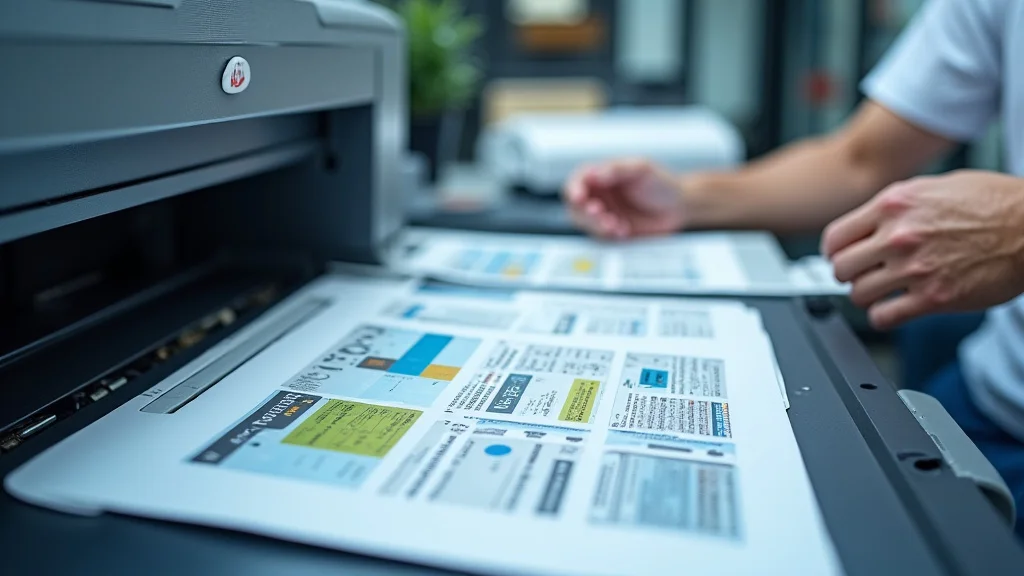
Picture this: you’re planning a community event in Austin, and you need eye-catching signage. Or maybe you’re a business owner in San Antonio looking to promote a grand opening. The first thing that comes to mind is the necessity of effective advertising. This is where the process of printing Texas signs comes into play. Knowing where to get your signs made and how to design them can make all the difference in achieving your goals. This guide explores everything you need to know about printing Texas signs, from material selection to design considerations. You’ll gain valuable insights, leading to increased customer engagement and better visibility for your message.
Key Takeaways
- Learn about different sign materials and their suitability for various applications.
- Understand the design elements that make signs effective.
- Discover the best printing technologies for your needs.
- Explore legal considerations, such as local regulations for signs.
- Find recommendations for choosing the right print shop.
- Examine the costs involved in creating high-quality signs.
Materials for Printing Texas Signs
Choosing the right material is a fundamental aspect of creating signs that meet your needs and withstand the elements in Texas. Different materials offer various strengths, durabilities, and aesthetics. The selection also affects the printing method and the sign’s lifespan. Consider the location and intended use of your sign when making your selection. Will it be indoors or outdoors? How long do you need it to last? These questions guide your decision.
Vinyl Signs
Vinyl is a popular choice for its versatility and cost-effectiveness. It is commonly used for banners, vehicle wraps, and storefront signage. Vinyl is waterproof, making it ideal for outdoor applications. It can withstand various weather conditions, including rain, sunlight, and wind. Various types of vinyl are available. For instance, adhesive vinyl is perfect for decals and window graphics. Banner vinyl is durable for hanging signs. Vinyl is also very flexible. This allows it to conform to different surfaces. This makes it a great choice for various project types. The longevity of vinyl signs typically ranges from 1 to 5 years, depending on the quality of the vinyl and exposure to the elements.
- Durability: Vinyl signs are resilient and can withstand outdoor conditions. They offer a good balance of durability and cost, making them a popular choice.
- Flexibility: Vinyl can be applied to flat or curved surfaces, making it versatile for various applications.
- Cost-effectiveness: Compared to other materials, vinyl is generally more affordable. This makes it an excellent option for businesses on a budget.
- Printing Options: Various printing methods, including digital printing and screen printing, work well with vinyl.
- Maintenance: Vinyl signs are easy to maintain and can be cleaned with water and mild soap.
Corrugated Plastic Signs
Corrugated plastic, often known as Coroplast, is a lightweight and cost-effective material. It is ideal for temporary signs, such as yard signs, political campaign signs, and event promotions. Its fluted structure makes it strong yet easy to handle. Coroplast is also resistant to water and chemicals, making it suitable for outdoor use. Coroplast can be easily cut into different shapes and sizes. This provides great design flexibility. The lifespan of corrugated plastic signs is typically short, lasting from a few months to a couple of years. This depends on their exposure to the sun and weather.
- Lightweight: The lightweight nature of corrugated plastic makes it easy to install and transport.
- Cost-Effective: Coroplast is a budget-friendly option for temporary signage needs.
- Weather Resistant: It is water and chemical-resistant, making it suitable for outdoor use.
- Easy to Customize: Coroplast can be cut into different shapes, providing design flexibility.
- Application Versatility: Widely used for yard signs, political signs, and promotional displays.
Aluminum Signs
Aluminum is a durable and long-lasting material. It is ideal for permanent outdoor signs. It is often used for building signs, directional signs, and parking signs. Aluminum is strong, rust-resistant, and can withstand harsh weather conditions. The material has a sleek and professional look. Aluminum signs can last for many years with minimal maintenance. Aluminum signs also offer a professional look. This makes them a preferred option for many businesses and organizations. They offer high quality. Aluminum signs are more expensive than vinyl or corrugated plastic. The initial investment often pays off due to their longevity and durability.
- Durability: Aluminum is a robust material designed for long-term outdoor use. It resists rust, corrosion, and the effects of sunlight.
- Appearance: Offers a professional, high-end look that enhances brand image.
- Longevity: Aluminum signs can last for over a decade with proper care.
- Versatility: Suitable for various applications, including building signs, traffic signs, and informational displays.
- Cost: More expensive upfront but offers great value due to its longevity and low maintenance.
Acrylic Signs
Acrylic is a modern and stylish material. It is often used for indoor signage, such as lobby signs, office signs, and dimensional lettering. It has a high-gloss finish. Acrylic gives a polished look. This material is lightweight, and it can be custom-cut into various shapes and sizes. Acrylic can be printed directly or have vinyl applied. It is also available in different thicknesses and colors. Acrylic signs offer a sophisticated appearance. They elevate the overall aesthetic of a space. Acrylic is not as durable as aluminum for outdoor use. However, it can be a good choice for protected areas. Acrylic signs have a lifespan ranging from 5 to 10 years, depending on the environment.
- Appearance: Acrylic has a sleek, modern look that enhances brand image and interior decor.
- Customization: Available in various colors, thicknesses, and finishes, including clear, frosted, and mirrored.
- Versatility: Suitable for indoor and outdoor applications. It offers options for printing directly or applying vinyl graphics.
- Durability: Resists scratches and fading, offering a long lifespan with proper care.
- Installation: Can be easily installed with various mounting options, including standoffs and adhesives.
Design Aspects for Effective Signs
The design of your sign is as important as the materials used. A well-designed sign grabs attention. It also effectively communicates your message. A successful sign uses visual elements to convey information. This section covers key design aspects to consider when printing Texas signs. These elements will help your signs stand out and achieve your goals.
Readability and Typography
The most crucial aspect of any sign is readability. It is useless if people cannot quickly and easily understand your message. This starts with typography. Choose fonts that are clear and easy to read from a distance. Avoid overly ornate or stylized fonts that can be difficult to decipher. Font size is also important. It should be large enough to be easily seen. The text’s contrast with the background is important for readability. Light text on a dark background or dark text on a light background provides good contrast. Consider the viewing distance when determining font size. Remember that signs viewed from further away require larger fonts. The optimal font size varies based on the location and the sign’s intended use.
- Font Choice: Select simple, clean fonts like Arial, Helvetica, or Open Sans. Avoid complex or decorative fonts.
- Font Size: Increase the font size depending on the viewing distance. Use the correct size to make sure your message is seen from afar.
- Contrast: Ensure there is sufficient contrast between the text and background. Use light text on a dark background or dark text on a light background.
- Kerning and Spacing: Correctly space the letters and words to enhance readability. Avoid overcrowding the text.
- Hierarchy: Use different font sizes and styles to create a visual hierarchy. This guides the reader’s eyes to the most important information.
Color Psychology and Selection
Colors have the power to evoke emotions and influence behavior. They are therefore a crucial element in sign design. Different colors communicate different meanings. This can impact how your sign is perceived. Red often represents excitement or urgency. It is good for sales or promotions. Blue often conveys trust and reliability. It is often used by financial institutions. Green often symbolizes nature or eco-friendliness. It is used by organic brands. Consider your brand’s personality and the message you want to convey when selecting colors. Make sure your color choices are consistent with your branding. This creates a cohesive brand image. Limit the number of colors used in a sign to avoid visual clutter. This keeps your design clean and easy to read. Proper color use ensures your message effectively reaches the target audience.
- Brand Alignment: Select colors that match your brand identity. Make sure they are consistent with your company’s logo and overall branding.
- Color Psychology: Use colors to evoke the emotions you want to associate with your brand. Choose colors that convey the right message.
- Contrast and Legibility: Ensure the colors you use provide good contrast and readability.
- Color Combinations: Use a limited number of colors. The key is to keep the design clean and uncluttered.
- Target Audience: Be aware of the target audience and their preferences. Choose colors that are suitable for your customer base.
Imagery and Graphics
Incorporating images and graphics can improve the impact of your signs. They help capture attention and communicate your message more effectively. High-quality images or illustrations support your text. This helps make your sign more engaging. Choose visuals relevant to your message and brand. Ensure the images are clear, high-resolution, and visually appealing. Using your logo is essential. It is a key element of branding. Keep your design simple. Too many images or graphics can overwhelm the viewer. The goal is to provide visual elements that enhance your message, not distract from it.
- Relevance: Use images and graphics that are directly related to your message.
- Quality: Use high-resolution images. This keeps your signs looking crisp and professional.
- Branding: Integrate your logo and brand colors to ensure brand consistency.
- Simplicity: Avoid clutter. Keep the design clean and easy to understand.
- Impact: Make sure the visuals are impactful. They should enhance the message.
Printing Technologies for Texas Signs
The type of printing technology used has a huge impact on the quality and cost of your signs. Digital printing and screen printing are common options for printing Texas signs. Each technology has its strengths and is appropriate for different needs. The printing method you select determines the colors, materials, and complexity. It also affects the speed and the price of the project. Understanding these technologies helps you make an informed decision for your project.
Digital Printing
Digital printing is a versatile and popular method. It involves directly printing designs from a digital file onto various materials. This method is great for full-color designs. It is ideal for printing detailed graphics and photographs. Digital printing offers quick turnaround times, as it skips the need for traditional setup processes. This is perfect for short-run projects. It also allows for customization. Each sign can be different, allowing for personalization. Digital printing works well with many materials, including vinyl, coroplast, and aluminum. The technology uses inkjet or toner-based printers. These printers produce high-quality, durable prints. Digital printing is excellent for signs that need variable data. This is often used for personalized messages.
- Versatility: Digital printing supports a wide range of materials. It is a good option for different sign types.
- Full Color: Produces high-quality, full-color prints with detailed graphics and photographs.
- Quick Turnaround: Fast turnaround times due to the absence of setup processes.
- Customization: Supports variable data. Every sign can have a unique design.
- Cost-Effective for Short Runs: Ideal for small quantities and custom designs.
Screen Printing
Screen printing is a traditional method. It involves transferring ink onto a surface. It does so using a stencil and a mesh screen. This method is great for large print runs. It provides vibrant, durable prints. Screen printing is especially well-suited for printing on materials like vinyl and corrugated plastic. The process is cost-effective for mass production. It provides excellent color accuracy and consistency. Screen printing is less flexible for detailed, multi-colored designs. It is excellent for designs with few colors. The setup time can be longer than digital printing. But the printing speed is high for large volumes. This makes it an ideal option for large-scale production. Screen printing ensures long-lasting signs that can withstand the elements.
- Durability: Produces long-lasting prints that can withstand weathering.
- Cost-Effective for Large Runs: Economical for producing signs in large quantities.
- Color Accuracy: Offers excellent color accuracy and consistency.
- Suitable Materials: Works well with a variety of materials, including vinyl and coroplast.
- High-Volume Production: Ideal for printing a high volume of signs quickly.
Choosing the Right Technology
The best printing method for your project depends on your specific needs. Several factors influence the best choice for you. Consider the quantity of signs you need. Digital printing works well for small quantities or custom jobs. Screen printing is ideal for large runs. Consider your design complexity. Digital printing is excellent for complex designs with many colors and gradients. Screen printing is best for simple, solid color designs. Consider the material you are using. Both printing technologies can print on various materials. Some materials are better suited to one method or the other. Consider your budget. Screen printing might be more economical for larger quantities. Always check turnaround time. Consider your deadline. Digital printing often has faster setup times. It might be better if you need signs quickly.
| Feature | Digital Printing | Screen Printing |
|---|---|---|
| Best For | Short runs, full-color designs, custom signs | Large quantities, simple designs, durable prints |
| Complexity | High complexity | Low to medium |
| Colors | Unlimited | Limited, depends on the number of screens |
| Setup Time | Faster | Slower |
| Cost | Higher per unit for large runs | Lower per unit for large runs |
Legal Considerations for Printing Texas Signs
Before beginning your sign project, it’s essential to understand the legal requirements. These rules ensure that your signs comply with local and state regulations. Failure to comply can result in fines or the removal of your signs. Researching these regulations will help you avoid problems. This section provides an overview of essential legal considerations for printing Texas signs. Make sure you are aware of all rules.
Permits and Regulations
Most cities and counties require permits for commercial signs. These permits verify your signs meet local regulations. These regulations usually focus on sign size, height, and placement. Zoning ordinances often regulate the type of signs allowed. This might restrict the use of certain materials or lighting. It is essential to research the specific requirements. These vary by location. Apply for the necessary permits. This process often includes submitting plans and paying a fee. Inspections ensure your sign is installed correctly. This is important for safety. Failure to obtain the required permits can lead to fines. Sometimes, it can lead to the removal of your sign. Always comply with all local ordinances.
- Research Local Ordinances: Before starting your project, research sign regulations.
- Permit Applications: Obtain permits for commercial signs. Follow the proper application process.
- Zoning Compliance: Ensure your sign complies with zoning regulations. This may limit size and type of sign.
- Installation Guidelines: Comply with all installation guidelines. This is important for safety reasons.
- Inspections: Understand and prepare for any required inspections.
Sign Codes and Restrictions
Sign codes cover specific aspects of sign design, placement, and content. These codes cover elements such as size limits, height restrictions, and setback requirements. These are critical for aesthetics and safety. They can control the distance between signs and property lines. They might include lighting restrictions to reduce light pollution. They also address sign content to ensure the signs are truthful. Certain businesses may be subject to restrictions on sign content. They can also face restrictions on the display of trademarks or logos. Be informed about these rules. You can find this information in local ordinances and regulations. Follow them to avoid legal problems.
- Size Restrictions: Ensure signs comply with size limits. These can vary by location and sign type.
- Height Regulations: Follow height restrictions. This is for aesthetics and safety.
- Setback Requirements: Understand the necessary distance from property lines and roads.
- Content Restrictions: Ensure sign content complies with regulations. It should be truthful.
- Lighting Rules: Adhere to lighting restrictions to reduce light pollution.
Accessibility Guidelines
Accessibility is a key part of sign regulations. These rules ensure signs are accessible to people with disabilities. The Americans with Disabilities Act (ADA) has guidelines for sign design. This includes the height and placement of signs. Signs must have high contrast and clear fonts for readability. Braille and tactile lettering may be needed for some signs. Consider accessibility to make sure all people can access the information. Complying with ADA guidelines makes it easier for people with disabilities to use your facilities. This helps foster inclusivity. These guidelines ensure that your signs can serve everyone in the community.
- ADA Compliance: Adhere to ADA guidelines. These govern sign height, placement, and content.
- Contrast and Readability: Use high-contrast colors and readable fonts for legibility.
- Tactile Elements: Include Braille and tactile lettering for visually impaired individuals.
- Placement: Position signs at accessible heights and locations for all people.
- Inclusive Design: Consider the needs of all people. This makes signs user-friendly for everyone.
Finding a Print Shop for Texas Signs
Choosing the correct print shop is vital for success. The right print shop ensures high-quality signs that meet your needs. Consider your needs before starting your search. You can assess different print shops. Evaluate their experience, the equipment they have, and their customer service. This section provides tips on how to find the ideal print shop. This will help you get the best signs for your needs.
Experience and Reputation
Experience is a good indicator of the print shop’s ability to produce quality signs. Look for a shop with a strong track record. You can find this by checking their years in business, their portfolio, and customer reviews. Review the shop’s portfolio. Examine the quality of their past projects. Customer reviews give valuable information about the shop’s service. Check online reviews and testimonials. Ask for references from past customers. A reputable print shop provides reliable service and top-quality signs. It is best to work with established businesses. They have a good reputation for providing professional results.
- Years in Business: Look for a print shop with a proven history of success.
- Portfolio Review: Review their past projects. Evaluate the quality and variety of their work.
- Customer Reviews: Read reviews and testimonials to gain insights into customer experiences.
- References: Ask the shop for references. Contact their customers.
- Reputation: Make sure the shop has a positive reputation for quality and service.
Equipment and Technology
The equipment and technology a print shop uses have a direct impact on the quality of your signs. Modern equipment provides high-quality results. Check to see if they use up-to-date printing technology, such as digital printers and screen printing equipment. Make sure they have a selection of materials. This will allow them to meet your needs. Ask about their ability to print custom sizes and shapes. The ability to use different materials ensures flexibility in your project. It is essential to choose a print shop with the right equipment for your project.
- Modern Printers: Make sure the print shop uses up-to-date printing technology.
- Material Selection: Ask about the variety of materials available. Ensure they support your needs.
- Customization: Check if they can handle custom sizes, shapes, and finishes.
- Specialty Services: Ask if they offer extra services, such as installation or design assistance.
- Capabilities: Ensure they have the equipment and expertise to meet your project’s specifications.
Customer Service and Support
Good customer service is critical. It ensures a smooth and positive experience. A print shop should be easy to communicate with. They should be responsive to your needs. Look for a print shop that is willing to provide design assistance and offer suggestions. They should be able to answer all your questions. Clear communication and a willingness to help demonstrate the shop’s commitment to your project. This includes providing proofing and revisions before printing. This ensures that you are satisfied with the final product. A reliable print shop provides quality and top-notch customer support.
- Communication: Evaluate the print shop’s responsiveness.
- Design Assistance: Find out if the print shop offers design assistance.
- Proofing and Revisions: Make sure the shop provides proofing and revision options.
- Expertise: Assess the print shop’s knowledge and experience.
- Support: Seek out a print shop dedicated to your satisfaction.
Cost of Printing Texas Signs
Knowing the cost is essential when printing Texas signs. Several factors affect the cost of your project. Material choice, printing technology, and sign size all have an impact. Understanding these factors will help you budget. It will help you choose the best options for your needs. This section explains the key cost factors in detail. It will help you plan your budget effectively. You will be able to make smart financial decisions.
Factors Affecting Cost
The total cost of printing signs can vary. Several factors influence the cost. Material choice is important. For example, aluminum is more costly than corrugated plastic. The sign size is also important. Larger signs usually cost more due to the increase in materials and printing time. The printing technology also impacts the cost. Digital printing often has a higher per-unit cost than screen printing. The design complexity has an impact. Detailed and multi-colored designs cost more to print. The quantity of signs also influences the price. Printing in bulk can reduce the cost per sign. Additional services such as design assistance and installation will add to the total price. Considering these factors is key to knowing the cost of the project.
- Material: The material chosen significantly affects the cost.
- Size: Larger signs require more material. The price will go up.
- Printing Technology: The printing method used impacts the cost.
- Design Complexity: Complex designs with lots of colors cost more.
- Quantity: Printing in bulk may reduce the cost per unit.
Budgeting and Cost-Saving Tips
When printing Texas signs, planning is essential. Define your budget beforehand. Determine how much you are able to spend on your project. Get quotes from different print shops. This can help you compare prices and services. Consider the size and quantity of your signs. You can reduce costs by optimizing these choices. Simplify your design. More complex designs often cost more. If you plan to make many signs, screen printing could be a cost-effective option. Consider choosing a less expensive material. For example, corrugated plastic. This is good for temporary signs. The ability to plan your budget helps you stay within your financial limits. It also allows you to find quality signs. Take the time to get quotes and plan accordingly.
- Set a Budget: Define your budget before starting your project.
- Get Quotes: Request quotes from different print shops to compare pricing.
- Optimize Size and Quantity: Choose optimal sizes and quantities to save money.
- Simplify Design: Reduce design complexity to minimize costs.
- Material Choices: Consider cost-effective material choices, like corrugated plastic.
Common Myths Debunked
Myth 1: All Sign Materials Are Created Equal
Reality: Not all sign materials are the same. Each has different strengths, durability, and cost-effectiveness. For instance, aluminum offers great durability. However, it is not cost-effective for short-term projects. Vinyl is very versatile. It is ideal for a lot of different applications. Coroplast is an excellent choice for short-term use. Consider the specific needs of your project when selecting a material. Always choose a material that matches the intended use and environmental conditions.
Myth 2: You Always Need to Hire a Designer
Reality: While it is wise to use a professional designer, it is not always necessary. Many print shops provide design assistance or have pre-designed templates you can customize. There are user-friendly design programs you can use. You can easily create your sign. If you have clear design goals, you can manage the project yourself. When you start, you might wish to use professional design services. However, it is possible to design and print signs yourself. It depends on your skills and the complexity of the project.
Myth 3: More Colors Always Result in Better Signs
Reality: Using a lot of colors does not necessarily make a better sign. Complex designs are harder to read from afar. Simple designs with a limited number of colors can be more effective. Clear contrast and color psychology are more important. Excessive colors can make a sign hard to see. It is important to prioritize the readability and the message. Use colors to make the information stand out, not distract from it. Simple, well-designed signs can often have a greater impact.
Myth 4: A Larger Sign Always Grabs More Attention
Reality: A larger sign is not always the best solution. The size should be suited to its placement and the viewing distance. A well-designed, smaller sign can be more effective. It can be placed in a high-visibility location. Oversized signs can be overwhelming. They can lead to visual clutter. Consider the viewing environment and the impact of your message. Strategic placement and design are critical for capturing attention. The design’s efficiency and clarity are important. The sign’s size should be proportional to its surroundings.
Myth 5: All Print Shops Provide the Same Quality
Reality: The quality of work can vary significantly among print shops. Their expertise, equipment, and customer service will have an impact. Some shops may use cheaper materials or less advanced printing technology. This results in signs of lower quality. Researching different shops, reading reviews, and examining their portfolios are all important. Choose a shop that offers high-quality materials and professional-quality printing. Always check customer feedback. This will guide you to a reliable print shop.
Frequently Asked Questions
Question: What is the best material for outdoor signs?
Answer: Aluminum is often the best choice for outdoor signs due to its durability and resistance to weather.
Question: What is the difference between digital and screen printing?
Answer: Digital printing is excellent for full-color designs. It is ideal for short runs. Screen printing is more cost-effective for large quantities and simple designs.
Question: How do I ensure my sign is readable from a distance?
Answer: Use large, clear fonts, good contrast, and avoid overly complex designs. Be sure it is sized for its intended audience.
Question: Do I need a permit for my sign?
Answer: Most cities and counties require permits for commercial signs. Check your local regulations.
Question: How can I save money on sign printing?
Answer: Simplify your design, print in bulk, and compare quotes from different print shops.
Final Thoughts
Creating effective signs is a combination of choosing the right materials, designing strategically, and working with a reliable print shop. By understanding the different materials, from durable aluminum to versatile vinyl, you can select the best fit for your needs. Always focus on design aspects such as readability, color psychology, and imagery. These elements ensure your signs effectively communicate your message. Remember to consider legal requirements, including permits and local regulations. The selection of a good print shop can make all the difference. Always consider factors like experience, equipment, and customer service. Always compare prices and find options that meet your budget. By following these steps, you will be well on your way to printing Texas signs that grab attention and boost your message.