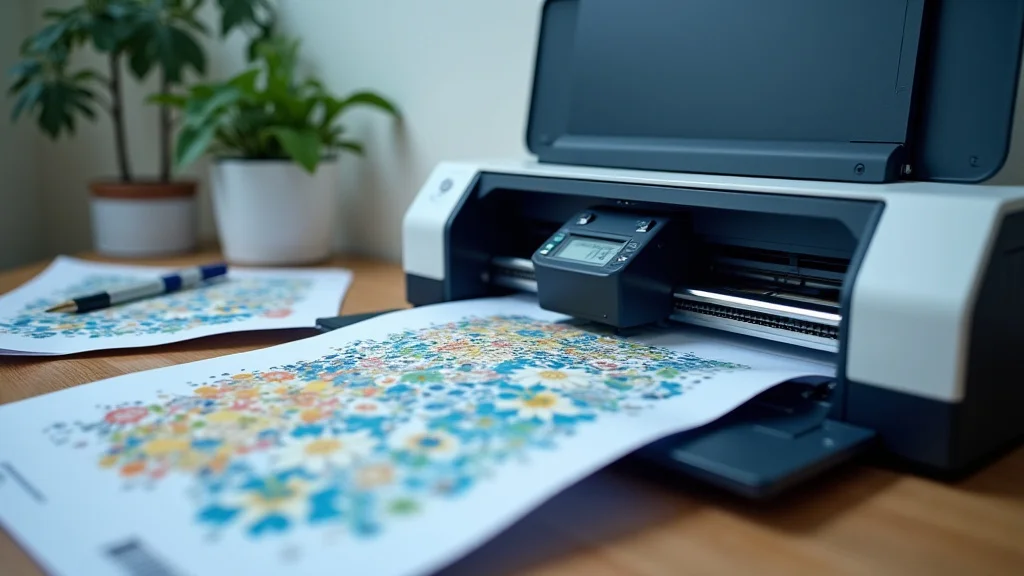
Remember that time you tried to print a picture of your cat, and the colors came out all wrong? Or maybe you needed a quick flyer, but the text was blurry? The printing process is everywhere, from the books we read to the flyers we see on the street. This article explores the different methods behind printing, helping you see how it works and what options you have. You’ll also learn the steps involved in each method, from start to finish. By the time you’re done, you’ll know exactly what to expect from each type. This knowledge will improve your understanding of the printing process and help you make better choices for your projects.
Key Takeaways
- Learn about the main types of printing methods.
- Understand the steps involved in each printing process.
- Discover the advantages and disadvantages of each method.
- Find out which printing method suits different projects best.
- Get to know about the role of ink and other materials.
- Explore the future trends in the world of printing.
Overview of the Printing Process
At its core, the printing process is all about transferring images or text from a template onto a surface, like paper, fabric, or even plastic. The basic idea remains the same: create a design, transfer it, and then fix it in place. The type of printing method used depends on the project’s needs. For example, a small business might use a digital printer for their flyers, whereas a publishing company might use a larger, more involved process for their books. The equipment and supplies also vary. Knowing the basics helps determine the best choice for various tasks.
Stages in the Printing Process
Every printing process, regardless of the method, typically follows similar steps. They start with the creation of the design, which might be done using graphic design software or by hand. The design is then prepared for printing. This might involve color correction, layout adjustments, and converting the file to a suitable format for the printing process. The next step is the actual printing itself. The printing machine transfers the image or text to the chosen surface using ink. Once printing is complete, the final step involves finishing touches like trimming, folding, or binding. Each step is essential for the final product.
- Design Creation: This is where the creative process begins. Designs can be as simple as text or as complex as a detailed illustration.
- Pre-Press Preparation: The design needs to be optimized for printing.
- The Printing Itself: The design is transferred onto the chosen surface.
- Post-Press Finishing: Includes steps like cutting, folding, and binding.
The design creation phase is where your ideas come to life. Before you even think about printing, you need a visual representation of what you want to create. This can be done by using software like Adobe Photoshop or Canva, by sketching, or using a combination of methods. The key here is to bring your vision to a tangible form that the printing process can then replicate. The better the initial design, the better the final output.
After the design is ready, it has to be prepared for the printing process. This involves checking and adjusting colors, selecting the right paper, and ensuring the design fits the chosen format. This stage ensures everything is ready before the actual printing. This can involve adjusting image resolution, choosing the right fonts, and checking for any potential errors that could affect the final product. It is a vital step in quality control.
This is where the magic happens. The actual printing process involves transferring the design onto the surface. Depending on the printing method, this can involve using plates, ink, and pressure or through digital means. Ink is applied to the surface, following the design created in the pre-press stage. It’s the key step where the visual elements are physically reproduced.
Once the printing is done, the product moves to the post-press stage. This includes cutting the paper to size, folding it into the correct shape, and, if required, binding it together. This might also involve adding coatings, laminations, or other special effects to enhance the final appearance and durability. The finishing touches are critical for providing a professional look and feel.
The Role of Ink and Other Materials
Ink is the lifeblood of the printing process. The type of ink used can vary depending on the printing method and the final product’s requirements. For example, offset printing uses oil-based inks, while inkjet printing relies on water-based inks. Beyond ink, other materials are vital. Paper quality plays a large part in the final result. Different papers are designed for different purposes. Coatings, adhesives, and binding materials also have roles. These materials contribute to the finished product’s appearance, texture, and longevity, making them essential to the overall quality of the final result.
- Types of Ink: Ink properties vary widely and are selected based on the printing method.
- Paper and Substrates: The surface matters in terms of quality and purpose.
- Finishing Materials: Materials that make the final product polished.
The choice of ink is dependent on the printing process, the material being printed on, and the desired result. Offset printing commonly uses oil-based inks. These inks deliver sharp results, and are known for their durability. Inkjet printers use water-based inks. These inks are often chosen for their ease of use and ability to produce vivid colors. The correct ink is key to a high-quality finished product. Different inks offer various levels of fade resistance, water resistance, and finish.
The choice of paper impacts both the appearance and feel of the finished product. Thicker paper is used for things like business cards or book covers, whereas thinner paper is often used for newspapers. The paper’s surface texture also changes the look. Smooth paper is suitable for designs where clarity and sharpness are key. Textured paper adds a different aesthetic. Different materials have varying characteristics, influencing the printing process and the finished appearance.
After the printing process is complete, the final touches are added. These include coatings, laminations, and binding agents. Coatings add protection and shine. Laminations add durability, creating a barrier against water, scratches, and wear. Binding agents secure the pages together to create books and magazines. They add value and protect the product.
Different Printing Methods and How They Work
Different printing methods are suitable for specific projects, each using unique technologies and techniques. Each method has its pros and cons, affecting cost, speed, and quality. Understanding the differences between these methods helps in choosing the best printing process for each project. From the cost-effective nature of digital printing to the high-volume capabilities of offset printing, there is a method for every need.
Offset Printing
Offset printing is a popular method used for large quantities, often used in books and magazines. It uses metal plates to transfer the image onto a rubber blanket, which then rolls the image onto the paper. This technique is recognized for its high-quality output and ability to manage complex designs, and it is a popular method for its efficiency. The initial setup requires creating printing plates, making this printing process most cost-effective for larger print runs. The process itself is efficient, meaning large numbers can be produced rapidly.
- How It Works: Image is transferred via plates and blankets.
- Advantages: High-quality output and economical for large volumes.
- Disadvantages: Setup costs and less flexible for small runs.
The printing process starts with creating plates. The image is transferred from these plates onto a rubber blanket, and then onto paper. Each plate corresponds to a color used in the design. As the paper passes through the press, it receives the various colors that make up the final image. This process is accurate, which is why offset printing is useful for tasks that demand fine detail and color consistency, making it a reliable choice for high-volume printing.
Offset printing produces high-quality images with precise color accuracy and is ideal for large quantities, making it cost-effective for large print runs. The resulting images are sharp and vibrant, which makes it ideal for many uses. It can also manage a wide range of paper types and sizes, offering flexibility for different project needs. It is also suitable for a wide variety of materials, providing more options. These benefits make it a great choice for publications, brochures, and promotional materials.
Offset printing can be expensive for small print runs due to the initial setup of plates. Adjustments to the design can be difficult once the plates are made, making it less suitable for projects that require rapid changes or edits. The process is not as quick as digital printing methods, which can make it less suitable for jobs where turnaround time is critical. This method works well for mass production, but not for projects requiring immediate changes or flexibility.
Digital Printing
Digital printing is an on-demand method that uses digital files to transfer images directly onto paper. This is done with laser or inkjet technologies. This method is used for small print runs. It’s cost-effective for low quantities. It does not require plates, unlike offset printing, and it offers great flexibility with quick turnaround times, making it ideal for projects that require changes. The output quality is improving and can meet most needs.
- How It Works: Direct transfer from a digital file.
- Advantages: Cost-effective for short runs and on-demand printing.
- Disadvantages: Costs can be higher for large volumes, and color matching can be less precise.
In digital printing, a digital file is sent directly to the printing device. The device then uses laser or inkjet technology to apply ink or toner directly onto the paper. The image is created without the need for plates, making the setup much faster and more cost-effective for smaller quantities. This direct-to-surface method is efficient and suited for personalized content, offering great flexibility and quick turnaround times. No plates or set up steps are needed.
Digital printing is especially useful for short print runs or on-demand jobs, such as personalized items or when you only need a few copies. It offers rapid turnaround times, as there is no need for plate preparation. Changes can be made quickly, allowing for flexibility in design and content. It is a cost-effective choice for small volumes, making it accessible to individuals and businesses. This method has a lower barrier to entry.
The cost per unit can become higher than offset printing for large volumes. The color matching process is more challenging, and color consistency may not be as accurate compared to offset printing. Digital printing may not be suitable for projects that require very high-resolution images or precise color matches. It might also have some limitations regarding the types of paper that can be used. This makes it less suitable for mass-produced items.
Other Printing Methods
Beyond offset and digital printing, many other methods can be used to suit specific needs and materials. Each method uses a different approach. Screen printing applies ink through a mesh screen, ideal for fabrics and specialty items, while flexography uses flexible plates to print on various surfaces. Sublimation printing is used for transferring designs onto materials like fabrics and ceramics. Each of these methods brings unique capabilities, making them useful for specific projects.
- Screen Printing: Uses a stencil to apply ink, great for fabrics.
- Flexography: Utilizes flexible plates for a variety of surfaces.
- Sublimation Printing: Heat transfer for durable, vibrant images.
Screen printing is a method where ink is applied onto a surface through a mesh screen. A stencil is placed on the screen, blocking the ink from going through in certain areas, leaving the design. This method is common for fabrics, but it also works for a number of materials. It is a good choice for custom apparel, promotional items, and other products. It is simple to use and great for making unique items. Screen printing is great for specific items.
Flexography uses flexible plates to transfer ink onto the printing material. This method works on a variety of materials, including plastics, films, and corrugated cardboard. Flexography is ideal for packaging and labels, offering great versatility and high-speed production. It produces consistent results, which makes it an efficient option for large volumes. The method can adapt to different surfaces.
Sublimation printing transfers ink to a material by using heat. Designs are first printed onto special transfer paper, then placed on the item to be printed. Applying heat causes the ink to turn into a gas, which then bonds with the surface of the material. This method is common for fabrics and other items like mugs and ceramics, producing durable and vibrant images. The method is great for custom items. The ink becomes part of the material, making the images long-lasting.
Choosing the Right Printing Method
Selecting the best printing method is about matching the project’s requirements with the capabilities of each technique. Several factors should be considered, like the quantity needed, the quality required, the materials used, and the budget. Offset printing is best for large volumes that require great quality. Digital printing is ideal for small runs. Screen printing fits specialty items. Understanding the requirements of your project will guide you to a perfect outcome.
Factors to Consider: Volume and Budget
The number of items needed is a key consideration when selecting a printing method. The budget will directly affect the choices. Larger quantities often benefit from offset printing because of its lower per-unit cost. Digital printing is usually better for smaller volumes. Each method has its cost structure. Offset printing needs a higher upfront investment for plate creation, while digital printing tends to have higher costs. Assessing these factors will help decide which method offers the best value.
- Print Volume: The quantity greatly impacts the choice of method.
- Budget Constraints: Define the financial limits for your project.
- Paper and Material Choices: Choose a material that fits your goal.
The total number of items to be printed is a key factor. For large quantities, offset printing often becomes more cost-effective due to its lower per-unit cost. Digital printing is better for smaller volumes because it avoids the costs of plate creation. Consider how many copies are needed and how the cost changes as volume increases. Choose the method that balances cost and the number of copies.
The budget sets the overall cost constraints. Offset printing is great for large projects but has high start-up costs. Digital printing may cost more per item for large quantities. It has lower initial costs, which is useful for small jobs. Evaluate the project’s costs and select the method that offers the most cost-effective solution within your budget. Consider these factors.
The type of material you need to use affects your choice. Offset printing can handle different paper types and materials. Digital printing has limitations depending on the machine. Some methods, such as screen printing, are best for specific materials, such as fabrics. Think about the final look and feel, and the need for specialty coatings or finishes. Choose a material that delivers your desired visual impact.
Print Quality and Design Complexity
The level of detail and color accuracy required determines the best printing process. Offset printing gives you high-quality output, making it perfect for projects that require sharp images. Digital printing can still provide excellent quality but may not match the sharpness of offset printing. If the design is simple, most methods can produce a satisfactory outcome. Complex designs with many colors and gradients benefit from the accuracy of offset printing. Make sure you know the required quality to choose the best method.
- Resolution and Detail: High quality means high detail.
- Color Accuracy: The ability to reproduce colors.
- Design Complexity: Consider the visual elements.
Projects that require sharp and clear images should consider offset printing. This method typically delivers the best detail and resolution, making it great for complex designs and photographic images. Digital printing provides excellent quality but may not achieve the same level of sharpness. Choose the method based on the project’s needs and the visual complexity of the design. If the details are small, a method with a great resolution is best.
If consistent and accurate color matching is essential, offset printing provides superior results. This method is able to ensure color accuracy across different print runs. Digital printing can also produce good color, but matching exact colors can be more challenging. For projects where color consistency is vital, offset printing is a suitable option. Color consistency can determine the impact of a design.
Simple designs might be produced through a range of methods, whereas more complex designs will perform better through offset printing due to its ability to handle intricate details, gradients, and a wide array of colors. If the project features intricate details or many colors, offset printing is usually a better choice. The design’s level of complexity can directly influence which method you should use. Ensure the method can reproduce it.
Common Myths Debunked
Myth 1: All Printing Methods Are the Same
In reality, each method has its own pros and cons. They are not all the same. Offset printing excels in quality and volume, digital printing offers flexibility. Understanding these differences helps in making an informed decision about which method is best for a given project. What works for one job might not be suitable for another. Each method is designed for a specific purpose. So, be aware of each one’s strengths.
Myth 2: Digital Printing Is Always Faster
While digital printing often provides faster turnaround times, it is not always the case. The speed also depends on the project’s complexity and the print run’s volume. Offset printing can be quicker for large quantities once the plates are ready, and it is capable of high-speed production runs. While digital printing can be fast for small quantities, the speed of offset printing can be faster for high-volume jobs.
Myth 3: Offset Printing Is Always Better Quality
It is true that offset printing produces high-quality images. Digital printing has vastly improved, and today offers good quality. Quality is also affected by factors like paper type and the design itself. The best choice depends on the project’s needs. Color accuracy and resolution are key components. So, the method to choose depends on the needs of the job.
Myth 4: Printing Is Expensive
The cost of printing depends on several factors, including the printing method, the number of copies, and the materials used. Digital printing can be cost-effective for small runs. Offset printing is better for large ones. Comparing various quotes and knowing your needs lets you manage costs efficiently. Careful planning can make printing affordable.
Myth 5: You Must Be a Professional to Understand Printing
Although printing is a complex process, you do not need to be a professional to understand the basics. With a bit of research and knowledge, it’s possible to grasp the fundamental concepts. This knowledge lets you communicate with printing service providers, make better choices, and achieve better results for your projects. You will be able to make informed choices with a basic understanding.
Frequently Asked Questions
Question: What is the best method for printing photos?
Answer: For high-quality photo prints, offset printing or high-end digital printing are usually the best choices. Both methods offer the color accuracy and resolution needed to make photos look their best.
Question: How do I know if I need offset or digital printing?
Answer: Consider the volume, budget, and design complexity. Offset printing is ideal for large quantities, while digital printing is suitable for short runs. Assess what quality you need.
Question: Can I print on any type of paper?
Answer: Each printing method has limitations regarding the types of paper it can handle. Offset printing is generally flexible, while digital printing might have restrictions. It’s a key factor.
Question: What is the difference between CMYK and RGB?
Answer: CMYK is a color model used for printing, while RGB is for digital displays. CMYK uses cyan, magenta, yellow, and black inks, while RGB uses red, green, and blue light. These are two different color standards.
Question: How do I prepare my files for printing?
Answer: Make sure your files are high-resolution, set to the right size, and use the CMYK color model. Always check with your printing service for their preferred file formats and guidelines.
Final Thoughts
The printing process is essential, connecting creativity with the physical world. Understanding how these processes work allows you to make informed decisions for your projects. From offset printing for high volume to digital for flexibility, each method has its place. Knowing the key steps – design, prepress, printing, and finishing – provides a foundation. Knowing the materials, like ink and paper, affects the final outcome. Recognizing the pros and cons of each method, along with the common myths, ensures you choose the right approach. Whether you are a business owner, a designer, or just creating something for yourself, knowing about printing process gives you power. Explore, learn, and then make the right decision.