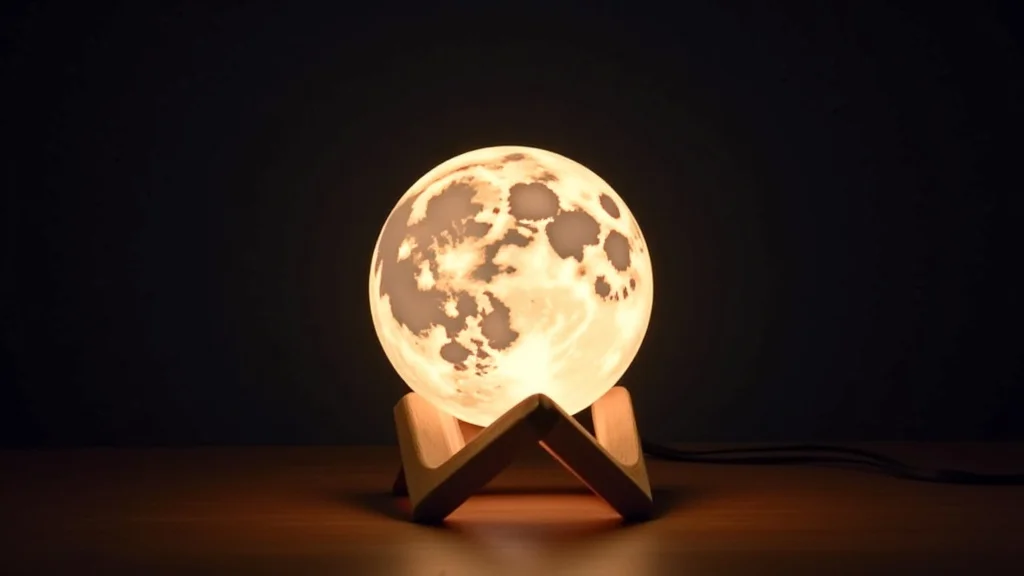
Picture this: It’s your friend’s birthday, and you want to give a gift that’s both unique and memorable. You’re browsing online, and suddenly, you stumble upon the idea of a printing moon lamp gift. This seems perfect! But how does it actually work? This post will explore everything you need to know about crafting a beautiful and personalized printing moon lamp gift. You’ll learn about the materials, the process, and the ways you can customize your lamp to make it truly special. Get ready to illuminate your gift-giving game!
Key Takeaways
- Learn about the process of creating a custom moon lamp using 3D printing.
- Discover the various materials and tools needed for printing your own moon lamp.
- Understand the design considerations for creating unique and personalized moon lamps.
- Explore the post-processing steps involved in finishing your printed moon lamp.
- Find ideas for customization, including colors, textures, and personalized messages.
- Get inspired to create a thoughtful and unique gift that will be cherished.
Crafting a Printing Moon Lamp Gift: The Basics
Creating a printing moon lamp gift is a fascinating blend of technology and artistry. The heart of the process lies in 3D printing. This method builds three-dimensional objects layer by layer from a digital design. Essentially, you take a digital model of a moon lamp and use a 3D printer to bring it into the physical world. The process requires a computer-aided design (CAD) file, a 3D printer, and the right printing material. Different types of 3D printers can be used, with the most popular being Fused Deposition Modeling (FDM) printers, which melt plastic filaments and deposit them to build the lamp, and Stereolithography (SLA) printers, which use a liquid resin that is cured with light.
Essential Materials and Tools
To begin crafting your printing moon lamp gift, you’ll need several essential materials and tools. Choosing the correct items ensures the printing process goes smoothly and the final product is both beautiful and functional. Some of these are obvious, and others less so.
- 3D Printer: As mentioned before, FDM and SLA printers are the most common options. An FDM printer is generally more accessible, particularly for beginners, due to the lower cost of both the printer and the printing filament. An SLA printer can create smoother surfaces and more intricate details, which may be desirable for a moon lamp. The choice will depend on your budget and desired level of detail.
- 3D Printing Filament/Resin: FDM printers use thermoplastic filaments, and the most popular option is Polylactic Acid (PLA) due to its ease of use, biodegradability, and low printing temperature. Other options include ABS (Acrylonitrile Butadiene Styrene) and PETG (Polyethylene Terephthalate Glycol), each with different properties in terms of durability, flexibility, and temperature resistance. SLA printers use liquid resins. The best choice will depend on the printer type and the desired characteristics of the finished lamp.
- 3D Modeling Software: You’ll need software to design your moon lamp. Options range from free, user-friendly programs to professional-grade software. TinkerCAD is excellent for beginners, while Blender or Fusion 360 offer more advanced features for complex designs.
- Other Tools: These include a scraper (for removing the print from the printer bed), sandpaper (for post-processing), a small LED light, a suitable electrical source, and glue.
Choosing a 3D printer is a crucial first step. If you’re new to 3D printing, a user-friendly FDM printer with a decent build volume is an excellent place to start. If precision is your priority, research SLA printers, keeping in mind the need for appropriate safety measures.
The type of material greatly influences the lamp’s appearance and durability. PLA is a great starting point for beginners, as it’s easy to print and comes in various colors. ABS offers greater strength, while PETG provides a balance between strength and flexibility. Resins for SLA offer incredible detail, but they may need more care in handling and finishing.
The software you pick will influence the level of customization. For instance, creating craters and a textured surface requires more advanced knowledge, whereas inserting a simple message is relatively simple. Many free and paid options exist, so choosing based on your skill level is wise.
These tools are crucial for finishing your printing moon lamp gift. A scraper helps remove the lamp from the printer bed without damaging it, and sandpaper smooths out imperfections. The LED and electrical components make your lamp functional, while glue may be used for assembly and stability.
Designing Your Moon Lamp
The design phase is where your creativity truly shines when creating a printing moon lamp gift. The digital model you create or obtain determines the final product’s look and feel. The options available are extensive, from simple, smooth spheres to complex designs mimicking the moon’s surface with craters and ridges. Proper design includes both aesthetics and functionality.
- 3D Model Options: You can either design a lamp from scratch using 3D modeling software or download pre-made designs from platforms like Thingiverse or MyMiniFactory. Pre-made designs can save time, but designing your own allows for complete customization.
- Surface Texture: The surface texture greatly impacts the lamp’s realism. You can create a smooth surface or add texture using various techniques in your modeling software. Adding craters, mountains, and other lunar features can be done by manipulating the model and creating different surface levels.
- Size and Scale: Determine the size of the lamp, considering the size of your 3D printer’s build volume. The scale should be appropriate for the intended space where it will be displayed. Consider the light source and how it will illuminate the lamp’s interior.
Downloading a pre-made design can be a quick and simple way to get started, particularly if you’re a beginner. However, designing your own offers infinite options for personalization. You could create a lamp with a custom message, unique textures, or incorporate other design elements.
The surface texture impacts the lamp’s appearance and how light is diffused. A smooth surface will give a softer glow, while a textured surface creates a more realistic look and better mimics the moon’s features. Proper lighting within the lamp will create shadows and dimension.
The size is not only a design constraint; it also affects the amount of material and the print time. A larger lamp will take longer to print and will require more material. The scale needs to be appropriate for the space where the lamp will be placed, making it easy to display and integrate into any room.
Printing and Post-Processing the Moon Lamp
Once you’ve designed your printing moon lamp gift, the next step involves printing and post-processing it. This stage transforms your digital design into a tangible object, requiring careful attention to detail. This involves preparing the 3D printer, setting up the print, and then refining the printed item.
The Printing Process
The printing process itself involves several key steps. Each step plays a critical role in the final quality of your lamp. This step will bring the 3D model to life.
- Slicing: Slicing software converts your 3D model into instructions that your 3D printer can understand. It essentially divides the model into horizontal layers, determining the path the printer’s nozzle or resin will follow. This step is also where you define the printing parameters, such as the layer height, infill percentage, and print speed.
- Printer Setup: Before starting, make sure your printer is calibrated correctly, and the build plate is level. Clean the build plate to ensure good adhesion of the first layer. Load the appropriate filament or resin into your printer.
- Printing: Start the print and monitor the process. The printer will begin depositing material layer by layer until the entire lamp is complete.
Slicing is a crucial step for a successful print. The settings you choose here will directly impact the print quality, the amount of material used, and the overall printing time. Experimenting with different settings will allow you to fine-tune your print results.
A well-prepared printer is essential. Calibration ensures the printer deposits material accurately, while a clean build plate prevents warping and ensures the print sticks well to the surface. It will also help the initial layers stick to the printer bed.
Printing can take several hours, depending on the size and complexity of your design. It’s important to keep an eye on the print, especially in the early stages, to make sure there are no issues. You might need to make small adjustments, like temperature changes.
Post-Processing Techniques
Post-processing is the final step in creating your printing moon lamp gift. These techniques enhance the lamp’s appearance and functionality. This step prepares the 3D-printed moon for its purpose as a gift.
- Removing Support Structures: If your design requires support structures during printing, carefully remove them. This can involve using tools like a scraper or pliers, depending on the type of support used.
- Sanding and Smoothing: Sand the surface to remove any imperfections, layer lines, or rough edges. Start with coarse sandpaper and gradually move to finer grades to achieve a smooth finish.
- Finishing Touches: Apply any desired finishing touches, like painting or adding a protective coating. Install the LED light and electrical components.
Support structures are often necessary for complex designs with overhangs. Removing them can be a delicate task. Take your time to avoid damaging the lamp’s surface. A sharp hobby knife may be helpful.
Sanding is a crucial step for achieving a professional look. It removes layer lines that can be visible on the surface. Start with a coarse grit to remove imperfections and gradually move to finer grits for a smooth finish.
These finishing touches add the final polish to your lamp. Painting can enhance the look and protect the surface. The electrical component installation is a crucial step to bring it to its purpose as a functional lamp.
Personalization Ideas for Your Moon Lamp
The true charm of a printing moon lamp gift lies in its personalization. With customization, you can create something unique that the recipient will treasure. This involves incorporating elements that reflect the recipient’s personality, interests, or the nature of your relationship. By going the extra mile with your personalization efforts, you’re not just giving a gift; you’re sharing a piece of your thoughtfulness and creativity.
Customizing the Appearance
You have numerous choices when it comes to customizing the visual appearance. The key is to select options that complement the lamp’s design and personalize the gift.
- Color and Paint: Choose a color or a combination that matches the recipient’s home decor or preferences. Paint the lamp using acrylic paints, spray paints, or airbrushing techniques for a smoother finish.
- Surface Textures: Experiment with different surface textures to create a unique look. You can use sandpaper to add texture or try applying various coatings that create a specific visual or tactile effect.
- Decorative Elements: Consider adding decorative elements like stars, constellations, or other celestial motifs. You could add these elements by painting, using decals, or incorporating them into the 3D model.
Color choice is critical. The color should match the interior or preferences of the person you’re gifting it to. Painting can elevate the look of the lamp and allow for intricate details. It also allows for greater creativity.
Surface textures can add a level of depth and realism. For instance, you could try to simulate the moon’s surface using a fine grit sandpaper or specific paint techniques. This provides a more engaging sensory experience.
Decorative elements allow the lamp to stand out. Adding these elements can provide the lamp with a personal touch that shows the extra effort you put into the gift. You can also customize the theme and match it to specific interests or relationships.
Incorporating Personalized Messages
Adding a message enhances the personal impact of a printing moon lamp gift. This can be a simple message of affection, a quote, or something more specific to the recipient.
- Engraving: Engrave the recipient’s name, a special date, or a short message on the lamp. This can be done before or after printing.
- Message Incorporation: Design the lamp to incorporate a personalized message. For instance, the moon’s surface could include a short quote or a special date.
- Adding a Handwritten Note: Along with the lamp, include a handwritten note. This can be a heartfelt message expressing your appreciation and sentiments.
Engraving can provide a lasting reminder of the occasion. You could incorporate a special date or a message that’s meaningful to the recipient. This makes the lamp more than just a decorative item; it becomes a cherished keepsake.
Incorporating a message into the lamp’s design ensures the message is integrated with the design. This creates a more cohesive and meaningful gift. Your message will be part of the design and more permanent than other methods.
A handwritten note adds a personal touch. Even though you may have incorporated elements into the lamp’s design, you can still add a note that allows you to express your thoughts and feelings in detail.
Real-Life Examples and Practical Results
To help illustrate the impact of this approach, let’s explore a few real-life examples and practical results.
- Case Study 1: The Personalized Anniversary Lamp: A user wanted to create a special anniversary gift. They downloaded a free 3D model of a moon lamp and used software to add the couple’s initials and wedding date to the surface. After printing, they painted the lamp a soft, metallic silver and included a handwritten note. The result was a deeply personal gift, cherished by the couple for years.
- Case Study 2: The Constellation Moon Lamp: A gift-giver, looking for a unique birthday present, designed a moon lamp featuring the recipient’s zodiac constellation. They used a combination of modeling techniques to create the raised stars and added a smooth surface for light diffusion. The lamp was a great success.
The personalized elements, such as the initials and wedding date, made the lamp incredibly unique, and the handwritten note added sentimental value. The metallic paint gave it an elegant finish that also blended seamlessly with their home décor.
The personalized constellation made the gift not only beautiful but also thoughtful and engaging. This demonstrates how a personalized design can transform a standard object into a symbol of a personal connection. They could have also used glow-in-the-dark filament, which would have increased its appeal.
Debunking Myths About Printing Moon Lamps
Myth 1: Printing a moon lamp is too complicated for beginners.
In reality, while intricate designs can be complex, you can start with pre-designed models and straightforward printing settings. Many online resources provide detailed tutorials, making the process more accessible than you might think. With the right tools and guidance, beginners can create beautiful moon lamps.
Myth 2: 3D-printed moon lamps are not durable.
The durability of a 3D-printed moon lamp depends on the material used. PLA is a great option for beginner-friendly prints, but PETG and ABS filaments offer increased durability and heat resistance. With careful design and proper material choices, 3D-printed moon lamps can last for many years.
Myth 3: You need expensive equipment to create a good moon lamp.
Although high-end 3D printers and software exist, many affordable options can produce excellent results. A basic FDM printer and free 3D modeling software are sufficient to get started. Focus on mastering the basics, and upgrade your equipment as your skills and needs evolve.
Myth 4: It’s difficult to add realistic texture to a moon lamp.
Adding realistic textures involves using 3D modeling software to design the lamp’s surface or post-processing techniques like sanding. You can add craters and surface variations with readily available design tools, making it easy to achieve a realistic moon-like appearance. With the right techniques, creating a highly detailed and realistic texture is very achievable.
Myth 5: It takes a lot of time to print a high-quality moon lamp.
While larger, more intricate lamps do require printing time, it’s possible to print a basic moon lamp within a few hours. The printing speed and quality depend on factors such as the layer height, print speed, and design complexity. With time, you can optimize your settings to balance speed and quality.
Frequently Asked Questions
Question: What’s the best 3D printing material for a moon lamp?
Answer: PLA is an excellent choice for beginners due to its ease of use and biodegradability. For better durability and heat resistance, consider PETG or ABS.
Question: How do I choose the right size for my moon lamp?
Answer: Consider the dimensions of your printer’s build volume, the space where the lamp will be placed, and the lighting requirements. Larger lamps create a stronger visual impact.
Question: Can I change the color of the moon lamp?
Answer: Yes! You can paint the lamp after printing using acrylic paints, spray paints, or airbrushing. You can also print with different colored filaments.
Question: Where can I find 3D models of moon lamps?
Answer: Websites like Thingiverse, MyMiniFactory, and Cults3D offer a vast selection of free and paid 3D models.
Question: How do I put the LED light inside the moon lamp?
Answer: Design a cavity within the lamp for the LED and power source, and consider using a diffuser to soften the light. You can also drill a hole for the power cable.
Final Thoughts
Creating a printing moon lamp gift is an experience that combines artistry and technology. You’ve explored the essential tools and techniques, from 3D printers and filaments to design software and finishing touches. You’ve also learned how to personalize your lamp with colors, textures, and messages, transforming a functional item into a cherished keepsake. Now, you have the knowledge to create a truly special gift that reflects your thoughtfulness and creative spirit. Why not start planning your own custom moon lamp gift today? Gather your materials, fire up your 3D printer, and let your imagination soar. Your gift recipient is sure to appreciate the unique piece you’ve designed.