Imagine stumbling upon a hidden cache of crisp, new $100 bills. Excitement surges, but reality quickly sets in. While the allure of instant wealth is tempting, there are serious consequences. This post will explore the ins and outs of printing 100 dollar bills, addressing the legality, the methods, and the significant risks involved. You’ll gain a thorough insight into the real-world implications, helping you distinguish fact from fiction. By the end, you’ll have a clear grasp of this topic.
Key Takeaways
- The process of printing 100 dollar bills is a highly regulated activity.
- Counterfeiting techniques are diverse and constantly evolving.
- The legal ramifications of producing or possessing counterfeit currency are severe.
- Security features are built into currency to deter counterfeiting.
- There are significant differences between legal and illegal printing.
- Understanding the process can help you recognize fake money.
The U.S. Currency Production Process
The creation of United States currency, including printing 100 dollar bills, is a complex and highly secure operation. The Bureau of Engraving and Printing (BEP) is the primary agency responsible for this process. It involves multiple stages, from initial design to final inspection, to ensure that each bill meets stringent quality and security standards. The entire process is designed to protect the integrity of the nation’s financial system.
Design and Pre-Printing
The design phase is where artists and engravers create the intricate details that make each bill unique. This includes portraits, vignettes, and intricate patterns. The designers consider not just the aesthetic aspects but also the inclusion of security features that are hard to replicate. Once the design is finalized, it’s transferred to printing plates.
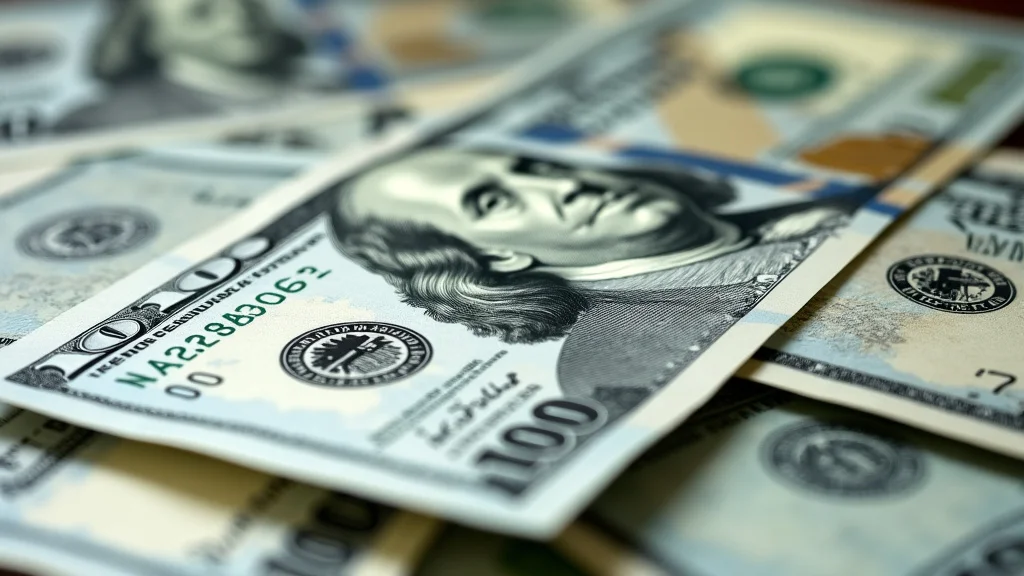
- Design Elements: Every bill incorporates various design elements, including portraits of historical figures, symbolic imagery, and microprinting. For example, a 100 dollar bill showcases Benjamin Franklin and Independence Hall, along with other subtle designs. The choice of elements is a blend of historical significance and artistic considerations.
- Plate Making: Plate-making involves creating the printing plates used to transfer the designs onto the paper. Special steel plates are engraved with the intricate details of the bill. The process involves multiple steps, including chemical etching and other techniques, to create plates that can withstand the pressure of printing thousands of bills.
- Paper Selection: The paper used for United States currency is not standard paper. It’s a special blend of cotton and linen, which provides durability and a distinct feel. The paper also includes security threads and other features to deter counterfeiting.
Each component is designed with security in mind, providing multiple layers of protection against counterfeiting.
These plates are precisely crafted to ensure that the designs are transferred accurately and consistently to each bill.
The paper’s composition makes it difficult to replicate using common printing methods, offering an additional layer of protection.
Printing and Finishing
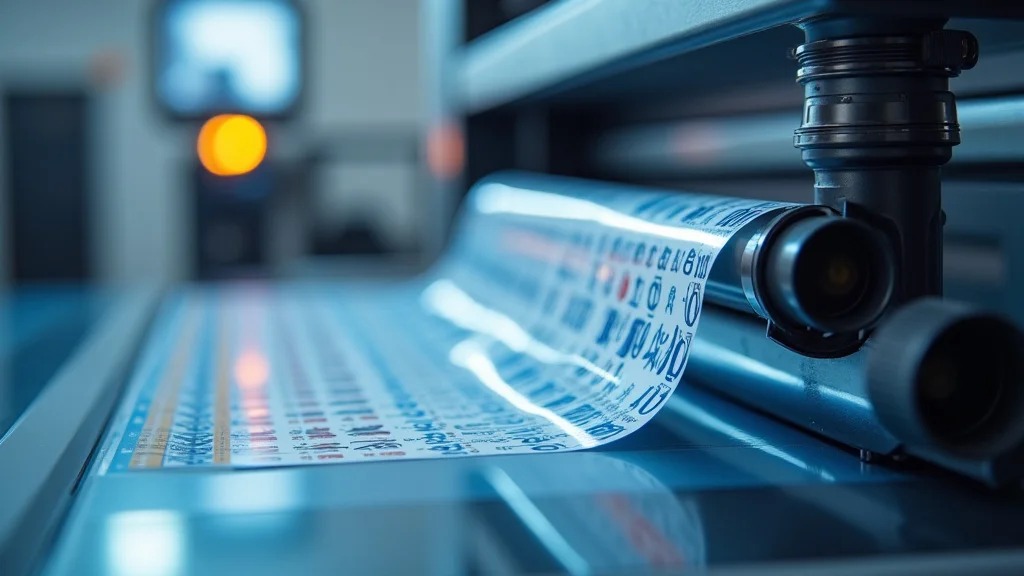
The actual printing 100 dollar bills takes place on specialized presses. The process requires multiple passes through the presses to apply different colors and designs. The ink used is also of a special type, designed to resist fading and smudging. After printing, each bill undergoes a series of inspections to ensure it meets quality control standards.
- Press Operations: Printing presses used by the BEP are custom-built to the highest standards. These machines can print both sides of a bill simultaneously, and they are also equipped to apply security features. The presses operate with high precision to ensure that all elements of the design are aligned correctly.
- Ink Application: The ink used in printing US currency is specialized. It’s designed to resist fading, smudging, and alteration. The ink also includes unique characteristics that are hard to duplicate.
- Inspection and Quality Control: Every bill undergoes thorough inspection to identify defects or imperfections. Automated systems and human inspectors work together to ensure that only high-quality bills make it into circulation. Any defective bills are destroyed.
Each press run is carefully monitored to maintain consistency and prevent errors.
The type of ink, its composition, and its application are critical in maintaining the integrity of the currency.
This process is essential to maintain public trust in the currency and prevent counterfeit attempts.
Security Features of 100 Dollar Bills
The U.S. government implements numerous security features to make it challenging to counterfeit printing 100 dollar bills. These features are continuously updated to stay ahead of counterfeiters. Recognizing these features is essential for everyone, from businesses to individuals, to protect themselves from fraud. These features include both overt (easily seen) and covert (requiring special tools) elements.
- Color-Shifting Ink: The numeral “100” in the lower right corner changes color when viewed from different angles. This color-shifting ink is difficult to replicate with standard printing methods.
- Security Thread: A vertical security thread is embedded in the paper. When held up to the light, the thread appears as a continuous line with the denomination and a bell image. The thread glows pink under ultraviolet light.
- 3D Security Ribbon: A blue 3D security ribbon runs down the face of the bill. The images of bells change to “100s” as you tilt the bill.
- Microprinting: Microscopic printing of text and numbers is found in various locations on the bill, such as around the portrait and in the security thread. This detail is very difficult to replicate.
- Watermark: A faint watermark of Benjamin Franklin is visible when the bill is held up to the light. The watermark is located to the right of the portrait.
When the bill is tilted, the ink changes from copper to green, providing a quick visual check.
This feature helps to distinguish genuine bills from counterfeits.
The ribbon is woven into the paper, making it difficult to replicate.
This adds another layer of security, as it is nearly impossible to copy with standard equipment.
This watermark is another security feature that is hard to counterfeit.
Legal Ramifications of Printing Money
The legal consequences of attempting to counterfeit printing 100 dollar bills are severe, with federal laws strictly prohibiting such activities. Counterfeiting not only harms the financial system but also erodes public trust in the currency. Penalties vary depending on the amount of currency involved, the intent of the perpetrator, and other factors. Those found guilty can face significant fines and imprisonment.
- Federal Laws: Federal statutes like Title 18, Section 471 of the U.S. Code, criminalize the counterfeiting of U.S. currency. This law makes it illegal to make, sell, or possess counterfeit money with the intent to defraud. Violations can result in severe penalties.
- Penalties: The penalties for counterfeiting can include substantial fines and lengthy prison sentences. For example, individuals could be sentenced to several years in prison and be required to pay hefty fines. The specific penalties depend on the circumstances of the case, including the quantity of counterfeit money produced.
- Consequences of Possession: Possessing counterfeit currency with the intent to pass it as genuine money is also a crime. Anyone who knows they have counterfeit money and attempts to spend it can face prosecution.
- Role of the Secret Service: The United States Secret Service plays a crucial role in investigating counterfeiting cases. The Secret Service works to find counterfeiters and prevent fake money from entering circulation.
These laws are in place to maintain the integrity of the financial system.
The severity of the punishment reflects the seriousness of the offense.
This applies to anyone who knowingly uses or tries to use fake money.
They are responsible for protecting the currency and financial infrastructure from fraud.
Modern Counterfeiting Techniques
The methods used by counterfeiters to reproduce printing 100 dollar bills have evolved over time. As technology has advanced, so have the tools available to those who wish to make fake money. It’s important to stay informed about these new techniques to detect and prevent counterfeiting attempts. Some counterfeiters use sophisticated equipment, while others attempt cruder methods.
- High-Quality Color Printers: With the availability of advanced color printers, some counterfeiters use these to create convincing fakes. While these bills often lack the security features of genuine currency, they can sometimes fool unsuspecting individuals.
- Scanning and Digital Printing: Counterfeiters scan genuine bills and then use digital printing techniques to create copies. This method allows for a high degree of precision in replicating the design, but the lack of security features is usually a giveaway.
- Offset Printing: Some counterfeiters utilize offset printing presses to mass-produce counterfeit bills. This process can create large quantities of high-quality forgeries, making them challenging to detect.
- Inkjet Printing: Less sophisticated counterfeiters may use inkjet printers to print fake money. While the results might appear convincing at a glance, the lack of quality is often apparent upon closer inspection.
This highlights the need to check for security features even when bills appear authentic.
This underlines the importance of checking for the security features mentioned previously.
These operations can result in significant financial damage.
This is because inkjet printers generally cannot replicate the specialized ink and security features.
Distinguishing Fake From Real
Recognizing the difference between genuine and counterfeit printing 100 dollar bills is an essential skill to avoid fraud. By knowing the various security features and other characteristics of genuine currency, you can protect yourself and your business from financial loss. A careful examination of bills is always warranted, especially if a bill seems questionable.
- Check the Paper: Genuine currency is printed on special paper that has a unique feel. It should be a blend of cotton and linen, which provides durability and a distinct texture. Counterfeit paper often feels different.
- Inspect the Printing Quality: Look closely at the printing details. Genuine bills have sharp, clear images and text. Counterfeit bills often appear blurry or have smeared ink.
- Examine Security Features: Be familiar with the security features of authentic currency, like the color-shifting ink, the security thread, and the watermark. These features are hard to duplicate using common printing methods.
- Use a Counterfeit Detection Pen: While not foolproof, counterfeit detection pens can be helpful. These pens react with the paper and leave a mark if it’s not made of the right material.
This is often one of the easiest ways to detect a counterfeit bill.
The quality of printing equipment and techniques are difficult to replicate.
The presence or absence of these features is a good indicator of authenticity.
This can provide an additional layer of security.
Common Myths Debunked
Myth 1: It’s Easy to Print Fake Money at Home
The reality is that printing 100 dollar bills accurately requires specialized equipment and expertise that is generally unavailable to the average person. While advancements in technology make it possible to produce convincing fakes, replicating the security features of genuine currency remains exceedingly difficult. The complex printing processes, specialized inks, and proprietary paper used by the Bureau of Engraving and Printing are hard to duplicate.
Myth 2: Counterfeiting Is a Victimless Crime
Counterfeiting isn’t a victimless crime. It harms both individuals and the economy. When counterfeit money enters circulation, it devalues the currency, leading to higher prices, decreased purchasing power, and economic instability. Businesses and individuals who accept counterfeit money suffer financial losses.
Myth 3: You Can’t Get in Trouble for “Accidentally” Having Fake Money
The legal ramifications depend on intent. If you unknowingly possess counterfeit money and immediately turn it over to the authorities, you might not face charges. However, if you attempt to spend it or try to pass it off as genuine, you could be prosecuted for counterfeiting, regardless of whether you knew it was fake at the time you tried to use it.
Myth 4: Counterfeiters Are Always Skilled Artists
Not all counterfeiters possess significant artistic skill. While some might have expertise in printing and design, many rely on simpler methods, such as scanning and color printing. The quality of the counterfeit money varies. Some counterfeits may look convincing, while others are easily identifiable as fake. The goal is to make a quick profit, which might not require artistry.
Myth 5: All Fake Money Is Easily Detected
While many counterfeits are easily detected, more sophisticated forgeries can be very convincing. The quality of the counterfeit money depends on the methods and equipment used by the counterfeiter. Some fakes may pass casual inspection, making it essential to carefully examine all bills, especially those of large denominations. The continuous evolution of counterfeiting techniques keeps the authorities on alert.
Frequently Asked Questions
Question: What should I do if I think I have a counterfeit bill?
Answer: If you suspect a bill is fake, do not attempt to spend it. Contact the local police or the U.S. Secret Service immediately. Write down any information about how you received the bill. Carefully handle the bill to preserve any evidence, and avoid returning it to the person who gave it to you.
Question: How can I protect my business from accepting counterfeit money?
Answer: Train your employees to recognize security features in currency. Provide them with counterfeit detection pens or other tools. Install security cameras and keep good records of all cash transactions. Review all bills, especially large ones, and be extra cautious during busy times, when mistakes are more likely.
Question: What are the main security features to check on a 100 dollar bill?
Answer: Check for the color-shifting ink on the “100” in the lower right corner, the security thread with “USA 100” and a bell image, the 3D security ribbon, the watermark of Benjamin Franklin, and the microprinting.
Question: Is it legal to own a currency-counting machine?
Answer: Yes, it is legal to own a currency-counting machine. However, if the machine is designed to detect counterfeit money, it should be used carefully, as it might miss more sophisticated counterfeits. The key is how you use the machine.
Question: Can I be arrested for accidentally using a counterfeit bill?
Answer: The outcome depends on your intent and actions. If you unknowingly spend a counterfeit bill, you might not face criminal charges if you report it to the authorities. However, if you knowingly try to spend counterfeit money, you can be charged with a crime.
Final Thoughts
Understanding the intricacies surrounding printing 100 dollar bills is more than just a matter of curiosity; it’s about protecting yourself and the integrity of the financial system. The U.S. government implements numerous security features to make it challenging to counterfeit money, including color-shifting ink, security threads, and watermarks. Counterfeiting is a federal offense, carrying severe penalties, which reflect the seriousness of undermining a currency. Being informed about current methods is vital. Remember to check the paper, printing quality, and security features. By staying vigilant and informed, you can help safeguard the value of our currency and avoid falling victim to fraud. Educate yourself, be attentive to details, and report any suspicions immediately.