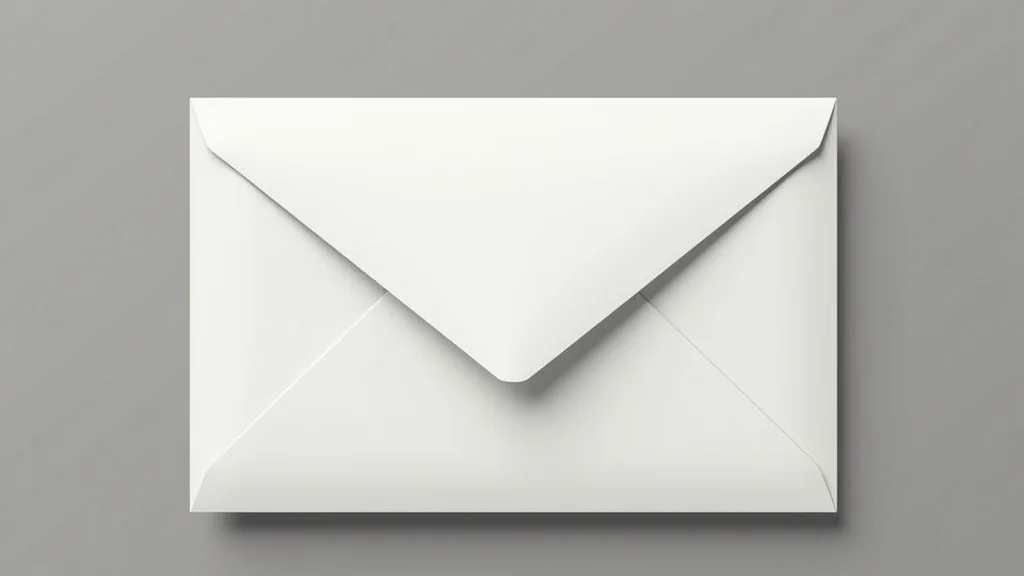
Remember that stack of bills you got last month? The small, crisp envelope they arrived in? That’s a number 9 envelope. Businesses rely on these compact, professional envelopes for various mailings. This post will explore everything you need to know about number 9 envelope printing, from choosing the right paper to ensuring your design gets noticed. You’ll learn how these seemingly simple envelopes can make a significant impact on your brand, increasing your mail’s open rates and giving your communications a polished look.
Key Takeaways
- Learn the standard dimensions, paper types, and uses of number 9 envelopes.
- Discover how to create effective designs that grab attention.
- Understand the different printing options available for your envelopes.
- Explore the cost considerations associated with number 9 envelope printing.
- Find ways to improve your mail’s deliverability and reduce returns.
- Get tips on choosing a reliable printing service for your needs.
The Basics of Number 9 Envelopes
Number 9 envelopes are a staple in the business world, used for everything from invoices and statements to checks and marketing materials. They’re a compact and efficient way to send important documents while maintaining a professional appearance. Knowing the standard features will allow you to make better choices for your brand.
Standard Dimensions and Uses
The standard size of a number 9 envelope is 3 7/8 inches x 8 7/8 inches (98.4mm x 225.4mm). This size makes it ideal for documents that are folded once, such as standard business letters or invoices. Because of their size, they are economical to produce and mail. They fit perfectly within a larger envelope or can be mailed on their own, making them versatile for various applications.
- Invoice and Billing Statements: Number 9 envelopes are often used to send invoices and billing statements because their size perfectly fits the standard paper size commonly used for these documents. The size is also well-suited for inserting multiple documents.
- Check Mailings: These envelopes are a popular choice for mailing checks due to their security and appropriate sizing. The secure fit of a check within the envelope helps protect against loss or damage during transit, creating a professional impression.
- Direct Mail Campaigns: Number 9 envelopes are suitable for targeted marketing campaigns. Their compact size and the potential for a personalized look make them appealing for direct marketing.
For example, a law firm uses number 9 envelopes to send out monthly bills. The envelopes are printed with the firm’s logo and contact information, ensuring brand consistency. The envelope’s small size also keeps mailing costs low, particularly when sending a large volume of bills.
Consider a retail company that uses number 9 envelopes to mail rebate checks to customers. The envelopes are pre-printed with the company logo and a friendly message, enhancing the customer experience. The compact size of the envelope also makes it easy for the customer to handle and store.
A local restaurant uses number 9 envelopes to send out promotional coupons to households in the area. The envelopes are printed with eye-catching graphics and enticing offers, encouraging recipients to visit the restaurant. The smaller size allows for quicker, more efficient distribution.
Paper Types and Weights
The choice of paper type and weight for your number 9 envelopes has a significant impact on their appearance, durability, and cost. There are a number of paper options available, each with its own advantages.
- Bond Paper: Bond paper is a standard choice for number 9 envelopes, providing a good balance of cost-effectiveness and print quality. It’s often used for invoices, statements, and other business communications. It works well with both inkjet and laser printers.
- Recycled Paper: Recycled paper is a suitable choice for businesses wanting an environmentally friendly option. It often has a slightly rougher texture compared to virgin paper. The use of recycled materials can enhance your brand’s commitment to sustainability.
- Premium Paper: Premium paper types, like linen or textured paper, give a high-end look and feel. These papers are often a choice when creating a strong first impression. The paper’s quality increases the value of the message.
A small business uses bond paper for its number 9 envelopes to send out invoices. The bond paper provides a clean, professional look and feel. The paper’s lighter weight also helps keep mailing costs down without sacrificing print quality.
A non-profit organization uses recycled paper for its number 9 envelopes for fundraising appeals. The envelopes are printed with information about their environmental initiatives, reinforcing their eco-friendly stance. The recycled paper option provides a cost-effective way to emphasize their environmental commitment.
A luxury brand uses a textured paper for its number 9 envelopes to send out invitations to exclusive events. The distinctive paper texture gives a premium feel that matches the brand’s image. The extra cost of the premium paper is seen as an investment in the brand’s sophisticated approach.
Design Considerations for Effective Number 9 Envelopes
A well-designed number 9 envelope can do a lot more than just deliver your mail. It can act as a marketing tool, improving brand recognition, and encouraging recipients to open your mail. The details of the design affect the overall result, and proper planning is necessary.
Branding and Visual Elements
Consistent branding across all your marketing materials, including your number 9 envelopes, builds brand recognition and loyalty. Using your logo, color palette, and other visual elements will create a recognizable identity. Ensure your envelope design matches your brand’s style.
- Logo Placement: The logo should be placed in a prominent position, like the top left corner, for instant recognition. Make sure the logo is visible and easy to read.
- Color Palette: Use your brand’s colors in your envelope design to create a consistent look. Make sure the colors are readable, especially when printed on a lighter background.
- Typography: Choose fonts that match your brand’s personality and are easy to read. Avoid fonts that are too decorative.
A tech company puts its logo in the top left corner of its number 9 envelopes. The logo is large enough to be immediately recognized, reinforcing its brand identity. This consistent placement makes the brand’s communication easily recognizable in the mail.
A coffee shop uses its signature colors of brown and cream on its number 9 envelopes. These colors are used for the logo and the return address, making the envelopes instantly identifiable. The color-coded approach gives a polished and professional look.
An advertising agency uses a clean, modern font for its number 9 envelopes. The font is used for the logo and the return address, ensuring a professional appearance. This choice is appropriate for the company’s commitment to clarity and innovative design.
Layout and Information Placement
The layout of your number 9 envelope should be clean and easy to read. Poorly arranged information can lead to your mail being discarded. The arrangement of the details can make the difference between an unopened envelope and a conversion. Effective layout is about making it easy for the recipient to grasp the main details.
- Return Address: The return address is usually located in the top left corner or on the back flap. It should include your company name, address, city, state, and zip code.
- Recipient Address: The recipient address should be centered and positioned in a way that is readable. Make sure you leave enough space around the address for postal requirements.
- Additional Information: Consider adding any additional information, like a tagline or a brief marketing message, on the envelope. Make sure it doesn’t clutter the design.
An accounting firm puts its return address in the top left corner of its number 9 envelopes. This position makes it easy for the recipients to know the sender. This also helps with quick mail identification and boosts professionalism, making it easy to identify the sender.
A healthcare provider carefully centers the recipient’s address on its number 9 envelopes. The position is easy for postal workers to read, ensuring smooth delivery. This meticulous care helps avoid mail delays, providing an enhanced customer experience.
A bookstore adds the tagline “Find Your Next Adventure” below its logo on its number 9 envelopes. This message creates excitement and encourages recipients to open the envelope. This small addition makes the brand more memorable, creating a stronger connection with the recipients.
Printing Options for Number 9 Envelopes
The printing method you choose for your number 9 envelopes will have a big impact on the final product, including cost, speed, and print quality. There are many options to consider, from traditional methods to modern digital processes. Explore your options to ensure you get the best outcome for your project.
Offset Printing
Offset printing is a printing method that produces high-quality results, especially for large print runs. It’s often chosen for its ability to deliver detailed graphics and precise color matching. Though it often involves higher upfront costs, offset printing can be more economical for large orders.
- High-Quality Print: Offset printing produces very sharp images and colors. The technique provides quality results that stand out.
- Color Accuracy: Offset printing excels in color matching, helping to match your branding. This printing technique is good for getting exact matches.
- Cost-Effective for Large Runs: Offset printing becomes more economical as print volume increases. It’s a great choice for bigger print jobs.
A marketing agency uses offset printing for its number 9 envelopes to send out a promotional mailing. This process ensures crisp, clear graphics and a professional image. The high quality makes a stronger impact on the recipients.
A clothing retailer uses offset printing for its number 9 envelopes to send out sales announcements. The print process helps to ensure that the color of its logo and marketing materials are consistent with the brand’s colors. The color quality gives an enhanced brand experience.
A large financial institution uses offset printing for its number 9 envelopes for client statements. The high volume of mailings makes offset printing cost-effective. The large-scale production ensures both cost savings and brand consistency.
Digital Printing
Digital printing provides a versatile and cost-effective solution, especially for smaller print runs or when you need quick turnaround times. Digital printers directly apply ink to the paper from digital files, making it easy to personalize each envelope with unique data.
- Quick Turnaround: Digital printing is fast and does not require the setup of printing plates. This makes it ideal for projects with tight deadlines.
- Variable Data Printing: Digital printing allows for variable data printing, which means each envelope can have a different address or personalized message.
- Cost-Effective for Short Runs: Digital printing is often more affordable for smaller print runs compared to offset printing.
A small business uses digital printing for its number 9 envelopes for customer invoices. Digital printing means they can print them on demand. The quick turnaround means they can quickly generate invoices.
An educational institution uses digital printing to send acceptance letters. With variable data printing, each student receives a letter with their name. This personalization enhances the personal feel of each piece of mail.
A real estate agent uses digital printing to print a small batch of number 9 envelopes for a new marketing campaign. This option is cost-effective because the agent only needs a small number of envelopes. The digital printing makes it easy to experiment with different design ideas.
Other Printing Techniques
Besides offset and digital printing, there are specialty techniques. These methods add special effects. Some of these are: adding metallic foil, embossing, and custom die cuts. Each technique has its own advantages and is suitable for certain applications.
- Foil Stamping: This technique uses heat and pressure to apply metallic foil to the envelope, creating a premium look and feel. It is commonly used for logos and details.
- Embossing: Embossing raises areas of the design to create a 3D effect. It gives a tactile element that grabs attention.
- Specialty Inks: Using specialty inks, such as fluorescent or metallic inks, can make your envelopes more eye-catching.
A jewelry store uses foil stamping on its number 9 envelopes. The foil stamping emphasizes the brand’s luxurious image. The shiny foil creates a polished and memorable presentation.
A high-end clothing brand uses embossing on its number 9 envelopes for invitations to exclusive events. The embossed logo enhances the feeling of luxury. The tactile element creates a higher value perception.
A music festival uses fluorescent inks on its number 9 envelopes to create awareness. The bright colors grab attention and make the envelopes stand out in a mailbox. The unique design improves brand recall.
Cost Considerations for Number 9 Envelope Printing
The cost of printing number 9 envelopes depends on several factors, including the printing method, the paper type, the complexity of the design, and the number of envelopes you need. Comparing prices from different printers will let you find the best value for your project.
Factors Affecting Printing Costs
Understanding these variables can assist you in making choices that fit your budget while still getting the results you want. Several different factors determine the price.
- Printing Method: Offset printing typically has higher setup costs but lower per-unit costs for large runs, while digital printing is more cost-effective for smaller quantities.
- Paper Type: The cost of paper can vary widely. More premium papers, such as linen or textured paper, cost more. The paper’s weight and finish affect the price.
- Design Complexity: The design can affect the price. Designs involving multiple colors, foil stamping, or embossing will cost more than a simple one-color design.
- Quantity: The number of envelopes needed often impacts the cost. Printing more envelopes often results in a lower cost per unit.
For example, a business that needs 1,000 envelopes may find digital printing more affordable, whereas a business that needs 100,000 envelopes would find that offset printing offers lower per-unit costs, making it the more economical choice.
A company sending out invoices might opt for a standard bond paper for cost savings. But, a company sending out invitations might choose a more expensive, high-quality paper. Paper type directly influences both cost and brand image.
A simple one-color print, with just a logo and return address, is less costly than a design with multiple colors and special effects. The design complexity affects the time and resources needed for production.
A small business that only needs a few hundred envelopes for monthly invoices can expect a higher per-unit cost. A large company that prints thousands of envelopes will benefit from volume discounts, decreasing the per-unit costs.
Budgeting for Number 9 Envelope Printing
Develop a good understanding of the costs so that you can create a clear budget. Doing this will allow you to make the choices needed for your project. Consider all possible costs when estimating the cost of your project.
- Get Quotes from Multiple Printers: Get quotes from various printing services. The costs can vary depending on their services, equipment, and customer base.
- Factor in Setup Fees: Some printing methods have setup fees, such as plate creation for offset printing.
- Consider Shipping Costs: Factor in shipping costs, which will add to the overall expenses. Make sure you get an estimate.
- Plan for Potential Overruns: It’s smart to plan for potential extra envelopes. This ensures that you have some additional copies in case they’re needed.
Gathering multiple quotes lets you compare costs. It helps you see which company offers the best price. Comparing is vital to managing your budget.
When you account for setup fees, it can impact the overall cost. These fees are especially relevant for smaller runs. Making sure you are informed of these fees helps you avoid unexpected costs.
Shipping costs can affect the total budget. Consider shipping costs as a line item to have a clear understanding of the overall project cost. Knowing these costs helps ensure that your project stays on budget.
Having a small overrun can save you from having to place a new order. It gives you some extra envelopes to deal with errors. These extra envelopes provide a buffer.
Improving Mail Deliverability and Reducing Returns
Your goal is to get your mail to its destination. Understanding how to handle these details will improve delivery rates and reduce waste. Paying attention to these elements increases the likelihood that your mail will be opened and read.
Address Formatting and Accuracy
Accurate address formatting is a key element in getting your mail where it needs to go. Ensure your addresses are formatted correctly to meet postal requirements. This helps prevent delays, as well as returns.
- Use USPS Guidelines: Follow the rules put forth by the United States Postal Service (USPS) for address formatting. Use the right abbreviations and spacing.
- Verify Addresses: Use address verification software to check and correct addresses before printing. This helps to reduce errors.
- Include Return Address: Always include a clear and accurate return address on your envelopes. This allows the mail to be returned to you.
Using the USPS guidelines is important for mail that goes through their system. This makes sure that your mail gets processed efficiently. Following the guidelines is vital.
Address verification software makes sure that your addresses are valid and complete. Correcting errors before mailing lowers the chance of undeliverable mail. Use a service to ensure address accuracy.
Include your company name and return address on the envelope. This enables the USPS to return the mail if it is not deliverable. Including a return address is essential for good mailing practice.
Mailpiece Preparation and Handling
Proper mailpiece preparation improves deliverability and reduces returns. Correctly preparing your mail to meet USPS guidelines will improve the efficiency and speed of delivery. Attention to detail reduces common errors that can slow down or prevent delivery.
- Proper Sealing: Seal your number 9 envelopes correctly. Make sure that the seal is secure, but doesn’t get in the way of the address.
- Weight and Thickness: Be aware of the weight and thickness limits set by the USPS. Envelopes that exceed these limits may require extra postage.
- Avoid Obstructions: Avoid any design or elements that may obstruct the address. Clear spacing is necessary for efficient scanning by the USPS.
A secure seal is important to ensure your contents don’t fall out during transit. Be sure that the seal has adhesive to keep it from opening. Properly sealed envelopes maintain the privacy of the contents.
Envelopes that are too heavy or too thick can be subject to higher postage rates or delays. Check that your mail meets USPS requirements. Doing so guarantees timely delivery.
Make sure the address is easy to read. This helps to ensure that your mail is processed and delivered quickly. A clear address boosts the chances of delivery.
Finding a Reliable Printing Service
Choosing a reliable printing service is essential for getting high-quality number 9 envelopes. A good printing service offers excellent print quality, efficient turnaround times, and outstanding customer support. Choosing the right partner will make sure that your mailing is effective.
Research and Evaluation
Evaluate various printing services to guarantee you choose the best partner. This will allow you to get the quality you need, as well as a great customer experience. Getting quotes and reading reviews is essential.
- Check Reviews and Testimonials: Look for reviews, testimonials, and case studies to understand the quality of service. Reviews can tell you a lot about the company.
- Assess Their Experience: Choose a printing service with experience in printing number 9 envelopes. Their experience can improve the quality of your finished project.
- Review Their Portfolio: View samples of their work to evaluate print quality, design capabilities, and attention to detail. This enables you to measure whether the service meets your standards.
Reading customer feedback gives you insight into a company’s performance. Review websites and company websites are good places to start. Look for companies with high satisfaction rates.
Make sure the printing service has experience with number 9 envelopes. A company with experience understands the requirements and can provide you with quality printing. Check the printer’s portfolio to see samples of their work.
Reviewing their portfolio allows you to see the types of projects they produce. Look for examples of number 9 envelopes to see whether the printing quality matches your expectations. Check out the company’s past projects to evaluate their work.
Communication and Support
Effective communication and great customer support are important for a good printing experience. Easy contact and access to expertise helps to avoid problems. Choosing a company that is there to help will make the process easier.
- Responsive Customer Service: Choose a printer that responds quickly to your inquiries. Effective communication is essential, especially with tight deadlines.
- Clear Communication: Ensure the printer communicates clearly, explaining details and providing updates about your job. Clear communication avoids misunderstandings.
- Technical Expertise: Choose a printing service with technical expertise. The printer should understand the special requirements for your project.
Make sure the printer is easy to contact and provides timely responses to your questions. A quick response time will keep the project on track. Quick responses demonstrate good communication practices.
The printer should be able to explain the details and progress of your project. They should keep you informed about potential problems. This transparent communication helps keep the project on track.
Make sure that the printer has the knowledge to answer any of your questions. The technical knowledge ensures that the printing is accurate. The printer should also have the expertise to solve problems.
Common Myths Debunked
Myth 1: Number 9 envelopes are only used for basic documents.
Number 9 envelopes are often seen as basic, but they’re surprisingly versatile. Businesses use them for more than invoices and checks. They are also used for marketing materials, like promotional coupons, event invitations, and targeted advertising. They can be customized with various paper types, printing techniques, and designs to create a distinctive brand appearance. The real value is in their adaptability and effectiveness in getting the right message across.
Myth 2: All number 9 envelopes are the same.
This isn’t correct. While all number 9 envelopes have a standard size, there are many variations to consider. They differ in paper quality and weight. Options include bond paper, recycled paper, or premium papers. Number 9 envelopes also vary in print techniques and design details. You can customize them to match your branding, from foil stamping and embossing to custom die-cuts.
Myth 3: High-quality printing is not available on number 9 envelopes.
It is not true that number 9 envelopes cannot receive high-quality printing. These envelopes can be printed using various techniques. These techniques provide options such as offset printing, which excels in color accuracy. Digital printing is also available, perfect for personalization. This enables you to create professional-looking and eye-catching results.
Myth 4: Mailing is always more expensive than digital communications.
While digital communication has its benefits, it is not always cheaper. Mailing can have benefits that can’t be easily duplicated by digital options. Number 9 envelopes create a tangible marketing experience that grabs attention in a way that digital media cannot. Mailing can have a higher open rate than email. With number 9 envelopes, you can increase brand recognition and improve customer relationships. The return on investment with the right strategy can outweigh the costs.
Myth 5: It’s difficult to find a reliable number 9 envelope printing service.
It’s not difficult to find a reliable printer for your number 9 envelopes. It may require research and due diligence to find the right partner. Focus on printers with experience. Also, read reviews and request samples. Assess their customer service and communication capabilities. By carefully reviewing potential partners, you can find a printing service that provides the quality, service, and expertise you need for your projects.
Frequently Asked Questions
Question: What is the standard size of a number 9 envelope?
Answer: The standard size is 3 7/8 inches x 8 7/8 inches (98.4mm x 225.4mm).
Question: What paper types are typically used for number 9 envelopes?
Answer: Common paper types include bond paper, recycled paper, and premium paper, such as linen or textured options.
Question: How can I ensure my number 9 envelopes are delivered properly?
Answer: Always use accurate address formatting according to USPS guidelines, verify addresses before printing, and include a clear return address.
Question: What are the main printing options for number 9 envelopes?
Answer: Offset printing for large quantities and digital printing for smaller runs or personalized mailings are the main options.
Question: How do I find a reliable printing service?
Answer: Research services, check reviews and portfolios, and assess their communication and technical expertise.
Final Thoughts
The number 9 envelope printing process, at first glance, may seem simple. However, the details of paper selection, design, and printing method directly influence the impact of your message. By selecting the right size and materials, you can craft a professional look that fits your brand. Think about your target audience, consider the purpose of the mailing, and choose designs that reflect your style. From your invoices to marketing mail, a well-designed number 9 envelope becomes a great marketing tool. Look at cost, and choose a printer that balances price, quality, and responsiveness. By following the tips, you can transform a plain envelope into a key element of your communication strategy. You can also make sure your mail is opened and read by choosing the right materials and design for your needs. Use the information to make the best decisions for your business. Make every mailing count.