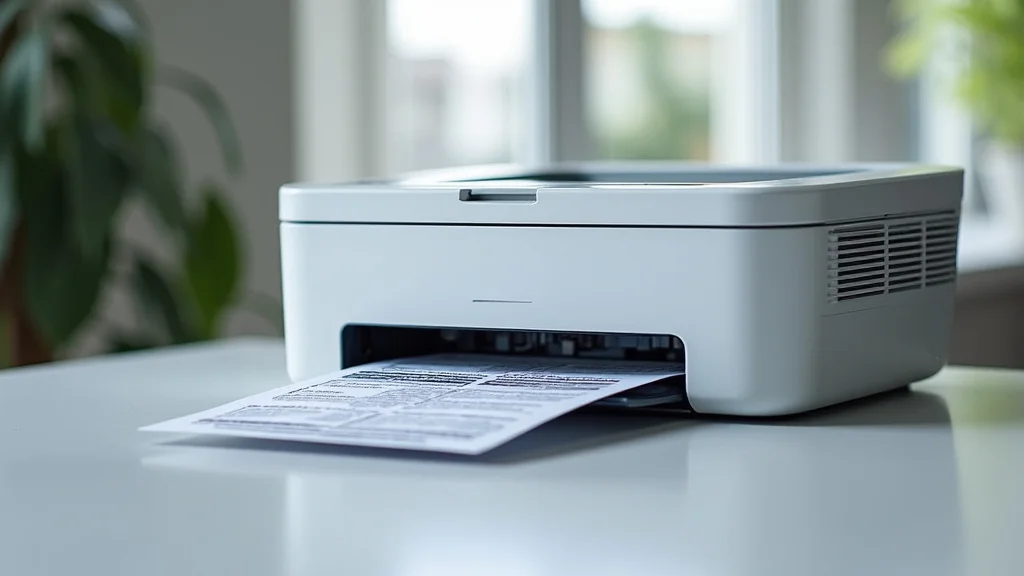
Picture this: you’re launching a new product, and you need professional marketing materials – flyers, brochures, maybe even some custom packaging. You start searching online, overwhelmed by the sheer number of options. How do you choose the right place to get your printing done? This post will explore three different printing websites, giving you the information you need to make informed decisions for your business. You’ll gain valuable insights into each service, helping you find the perfect fit and saving you time and money. By the end, you’ll be able to compare features and costs easily, improving your business strategies.
Key Takeaways
- Discover three popular online printing services and their specialities.
- Learn about the different printing options available, such as flyers, business cards, and more.
- Compare pricing models, turnaround times, and customer reviews to find the best fit.
- Understand the importance of file preparation and how to avoid common printing errors.
- Gain insights into designing effective marketing materials for your brand.
- Explore how to select the right printing website based on your project’s specific needs.
Choosing the Right Printing Services for Your Business
The success of your marketing efforts often depends on the quality of your printed materials. From business cards to large-format posters, the appearance and feel of your printed items can greatly impact how your audience perceives your brand. Finding a reliable printing service that meets your specific needs is therefore extremely important. Several factors must be considered, including print quality, paper options, turnaround time, and price. Evaluating these elements allows you to find a partner who can produce top-notch materials that make a positive impression.
Print Quality and Resolution
Print quality is determined by resolution, measured in dots per inch (DPI). The higher the DPI, the clearer and more detailed your prints will be. For example, business cards and brochures require a higher DPI (typically 300 DPI) to ensure sharp images and crisp text. This means the service should use high-quality printers capable of delivering the resolution your project demands. Poor print resolution can lead to blurry images and illegible text, which can damage your brand’s image. Selecting the right DPI for your project is key to ensuring it looks professional and impactful.
- High-resolution images are essential for professional prints.
- Make sure the printing service provides high DPI print options.
- Poor print quality can severely impact your brand.
Paper Stock and Finishing Options
The type of paper you choose can greatly influence the final result of your printed pieces. Different paper stocks, such as glossy, matte, or uncoated, offer different looks and feels. Glossy paper is suitable for vibrant images, while matte paper is useful for a more sophisticated appearance. Finishing options like lamination, spot UV, or foil stamping can add a luxurious touch and make your materials stand out. These finishing touches help to elevate your print projects by enhancing their visual appeal and durability. Your choice should align with your brand’s image and the purpose of your marketing materials.
- Paper stock affects the look and feel of your prints.
- Glossy and matte papers each offer different advantages.
- Consider finishing options to enhance your designs.
Turnaround Time and Delivery
Turnaround time refers to the period between placing your order and receiving the final product. Different printing services offer different turnaround times, which are very important if you have a deadline. Some services offer fast turnaround times (like next-day printing) while others may take longer. Delivery options also vary, from standard shipping to expedited services. Check how each service provides their orders and know if they have any potential delays. Understanding these factors will assist you in selecting a service that can meet your scheduling demands and ensure your materials arrive when needed.
- Choose a printing service that provides a turnaround time that aligns with your timeline.
- Look at what shipping options the service offers.
- Consider how the services handle potential delays.
Top 3 Printing Websites to Explore
Choosing the correct printing websites can have a big effect on the outcome of your business projects. There is a huge number of options available, each offering their unique features and benefits. In this section, we will explore three well-known printing websites, discussing their strengths and helping you assess which might be best for your specific needs.
Website 1: Printful
Printful is a print-on-demand service that stands out because it allows for very low startup costs. It does not require you to hold inventory. Once your orders come in, they’re handled by Printful. It is connected with major e-commerce platforms like Shopify and Etsy. This integration is useful because you can easily set up your products and start selling them quickly. Printful handles the printing and shipping, allowing you to focus on your product. However, the price per item might be slightly higher due to the print-on-demand model. Choosing Printful is an excellent option for beginners and small businesses wanting to expand their product lines.
- Print-on-demand for minimal startup costs.
- Easily integrate with major e-commerce platforms.
- Ideal for beginners and those looking to test new product ideas.
Website 2: Vistaprint
Vistaprint is one of the most recognized names in the printing industry. They provide a range of printing solutions, which helps businesses get started. Vistaprint has a user-friendly design interface that helps create custom designs. They give a vast range of products, from business cards and flyers to promotional items. Vistaprint offers a balance of price, quality, and service. This makes it a great choice for various projects. Their widespread brand recognition and support make them a reliable option for new and established businesses. Some people report that their quality is just okay. However, it will fit your needs if your products will work for most basic projects.
- User-friendly design tools suitable for all.
- Offers a wide variety of print products.
- Excellent for business with a good range of products.
Website 3: UPrinting
UPrinting is an online printing service that is focused on providing high-quality products. It caters to businesses of different sizes. They give a vast range of services, including business cards, brochures, postcards, and more. UPrinting offers various customization options and finishing touches. UPrinting is a great choice for projects requiring higher print standards. UPrinting has a reputation for great customer service. Their focus on quality and support makes them a solid option for businesses wanting professional results. Although it does take more time to get through the process, the results are great for your business needs.
- Provides excellent printing quality for professional results.
- Offers customization options to meet unique project needs.
- Has excellent customer support to assist clients.
Understanding File Preparation for Printing Success
Correct file preparation is key to ensuring your prints look exactly as planned. Preparing your files correctly will make sure that the final printed product meets your expectations. The process involves multiple steps, including design, resolution, and proofreading. Here’s a closer look at key aspects of file preparation to help you get the best results from your printing projects.
Design and Layout Considerations
When creating your designs, consider the dimensions and bleed requirements. Bleed refers to the extension of your design beyond the trim area, which prevents white edges after cutting. Make sure you use the correct color mode (usually CMYK for print) instead of RGB. A well-designed layout is essential for attracting attention. Ensure your text is readable and the images are clear. Using a professional design tool or hiring a designer can improve the visual appeal and effectiveness of your printed materials. Careful design and planning can make your print products effective for marketing purposes.
- Design your materials using professional design software.
- Make sure to use the proper CMYK color mode.
- Include bleed to prevent white edges after cutting.
Resolution and Color Mode
High resolution is very important for sharp prints. Images should have a minimum resolution of 300 DPI for optimal results. Selecting the correct color mode is also crucial. CMYK is used for printing, and it differs from RGB which is used for screens. Conversion issues may occur if you submit an RGB file, which can lead to unexpected color variations. Always verify that your colors are properly converted for your print project. This will guarantee that your design looks as you intend once it is printed. Ensuring your files use the proper resolution and color modes will give you the best printing outcomes.
- Make sure all images have a resolution of 300 DPI.
- CMYK is the correct color mode for print.
- Always proofread your colors to make sure they print accurately.
Proofreading and File Submission
Before submitting your file, proofread it carefully to look for errors in text, grammar, and layout. Proofreading should be done by multiple people to guarantee accuracy. Check that all images are properly placed, and all text is legible. After proofreading, save your file in a print-ready format, such as PDF/X-1a, to guarantee compatibility with the printing process. When you’re ready to submit your file, follow the guidelines provided by the printing service. Thorough proofreading and proper file formatting will help prevent costly mistakes. This guarantees your project is printed accurately.
- Proofread your files before submission.
- Multiple pairs of eyes are important when proofreading.
- Save your files in the right print-ready formats.
Maximizing Your Printing Budget
When getting your materials printed, a smart approach helps get the best quality while staying within your budget. Many factors can affect printing costs, from the type of project to the service you choose. There are strategies to make the most of your resources. The key is to be careful in your selections and use strategies to reduce costs. Let’s look at tactics to achieve top-notch print quality while keeping your spending in check. These tips will assist you in obtaining the highest possible value when you work with printing websites.
Cost Comparison and Pricing Models
Compare the prices of different printing websites for your desired project. Prices may differ based on various factors, like quantity, paper type, and finishing options. Evaluate the pricing models of various services. Some services provide transparent pricing. Others may provide a tiered approach, where prices vary according to quantity. By using several price comparisons, you can evaluate the total cost of printing. You can assess whether the pricing will fit your budget and requirements. Careful price comparisons will help you find the best value.
| Printing Website | Pricing Model | Notes |
|---|---|---|
| Printful | Print-on-demand | Cost per item plus shipping |
| Vistaprint | Tiered pricing | Cost decreases as quantity increases |
| UPrinting | Custom pricing | Varies depending on the project. |
- Do your research to compare pricing from different services.
- Look at pricing models to ensure they align with your needs.
- Consider the cost per unit.
Paper and Material Selection
The type of paper and materials you choose has a huge effect on the overall cost. High-end paper stocks and custom finishing options, like foil stamping, can cost more. However, some materials are more budget-friendly. Think about the print’s purpose and your target audience. Selecting materials that balance your design’s demands with your budget will yield the best results. For example, using a matte paper for a business card could give a more premium feel compared to glossy paper. Balancing quality and cost is about making educated decisions that work for your brand’s image. This lets you make an impression without exceeding your budget.
- Consider the purpose of the print materials when picking materials.
- Choose materials that align with your brand’s image.
- Test alternative materials to find budget-friendly choices.
Quantity and Order Planning
Ordering in bulk often leads to lower per-unit costs, but consider the storage needs and the chance of revisions or updates to your design. Plan your print orders to make the most of volume discounts. Forecast your needs, and then compare the costs of different quantities. Also, avoid unnecessary expenses by carefully assessing your actual print needs. Planning your print orders wisely can help you keep printing costs under control. Consider storing extra printed materials in a protected environment to keep your materials in good condition for the long term. This strategy combines cost-effectiveness with effective resource management, helping you to make smart choices.
- Order in bulk to get quantity discounts.
- Carefully forecast the quantity of prints needed.
- Know what storage options you will use.
Common Myths Debunked
Myth 1: Higher Paper Weight Always Means Better Quality
While a heavier paper stock often feels more premium, the quality of a print relies on more than just the paper weight. The paper’s surface finish, color, and printing process all affect the end result. Sometimes, a lighter paper with a great finish can look better than a heavier, less suitable option.
Myth 2: Glossy Paper is Always the Best Choice for Photos
Glossy paper highlights colors and adds visual appeal, but it can also show fingerprints and glare. Matte or silk paper can work well with photos, too, especially if you want a sophisticated or more subtle look. The best option depends on the image and your design.
Myth 3: You Have to Use Professional Design Software for Good Prints
While professional software can assist in making complex designs, user-friendly tools are also available. Online printing services often provide templates. Using these tools lets you create high-quality prints even if you don’t know professional design software.
Myth 4: All Online Printing Services Are The Same
Each service offers different options for paper, turnaround times, and customer service. Some are focused on rapid printing, and others are known for high-quality outcomes. The most suitable printing service depends on your requirements.
Myth 5: It’s Okay to Use Low-Resolution Images
Low-resolution images may look okay on a screen, but they will look blurry when printed. Always make sure your images have the correct resolution (typically 300 DPI) to make certain your prints are sharp and clear. This is very important for a high-quality finished product.
Frequently Asked Questions
Question: What is bleed in printing?
Answer: Bleed refers to printing beyond the edge of the paper to ensure no white edges after cutting.
Question: What is the best color mode for printing?
Answer: CMYK (Cyan, Magenta, Yellow, Key/Black) is the best color mode for print projects.
Question: How do I choose the right paper for my project?
Answer: Think about the design of your project and its purpose when picking paper. Glossy paper is suitable for vibrant images and matte paper creates a sophisticated appearance.
Question: What is a DPI?
Answer: DPI, or Dots Per Inch, is a measurement of the resolution of an image; higher DPI means a sharper print.
Question: How can I save money on printing?
Answer: Compare costs from different services, consider your paper choices, and plan for bulk orders to save on printing.
Final Thoughts
Selecting the right 3 printing websites can greatly impact your business’s marketing efforts. Each site offers different features and caters to different needs. Printful is great if you need print-on-demand services. Vistaprint offers a balance of price, quality, and support. UPrinting provides high-quality results. Knowing how these services differ helps you pick the right choice. Consider the specific demands of your projects and compare prices to pick a website that aligns with your budget and quality expectations. This can greatly improve your business strategy.
You have now explored the landscape of printing websites. You have the knowledge to pick the right service for your needs. Take advantage of your new understanding to get high-quality print materials that can improve your marketing strategy. Remember to compare costs, assess quality, and plan your orders. Making smart decisions can help you get fantastic results, while keeping your business within its budget. Good luck!